Sustainable Living Eco Friendly Trends In Modern Homes
Updated: April 9, 2026
Sustainable Living: Eco-Friendly Trends in Modern Homes
In today’s rapidly changing world, the focus on sustainability and eco-friendliness has become paramount. As individuals strive to minimize their carbon footprint and contribute positively to the environment, the concept of sustainable living has taken center stage. This shift is especially evident in modern home designs, where sustainable practices are being seamlessly integrated to create eco-friendly living spaces. In this blog post, we will delve into the latest trends in sustainable living and how they are redefining modern homes.
Understanding Sustainable Living
Sustainable living involves adopting a lifestyle that seeks to reduce an individual’s use of Earth’s natural resources. It is about making choices that preserve the environment, enhance public health, and ensure economic well-being for future generations. The principles of sustainable living are being increasingly embedded in the design and construction of modern homes, where homeowners are opting for materials, technologies, and practices that align with these goals.
Eco-Friendly Building Materials
One of the most prominent trends in sustainable home construction is the use of eco-friendly building materials. Traditional building materials often have a significant environmental impact, from the extraction process to the energy required for manufacturing. In contrast, eco-friendly materials are sourced, produced, and disposed of with minimal environmental footprint.
- Bamboo: Bamboo is a rapidly renewable resource that can be harvested without harming the plant itself. It is used for flooring, cabinetry, and even structural components, offering durability and aesthetic appeal.
- Recycled Steel: Using recycled steel in construction reduces the need for new steel production and decreases the associated carbon emissions. It is often used in framing and roofing.
- Cork: Harvested from the bark of cork oak trees, cork is a renewable material used in flooring and insulation.
- Reclaimed Wood: Salvaged from older structures, reclaimed wood adds character to homes while reducing the demand for new lumber.
For more information on sustainable building materials, you may explore resources from the U.S. Green Building Council.
Energy Efficiency and Renewable Energy
Another critical aspect of sustainable living is energy efficiency. Modern homes are increasingly designed to minimize energy consumption through advanced technologies and renewable energy sources.
Solar Power
Solar panels have become a staple in sustainable homes, providing a clean and renewable energy source. By converting sunlight into electricity, homeowners can reduce their reliance on fossil fuels and lower their energy bills. Innovations in solar technology, such as solar shingles, are making it easier than ever to integrate solar power into home designs.
Energy-Efficient Appliances
The use of energy-efficient appliances is another trend gaining traction in sustainable homes. Appliances with the Energy Star certification consume less power and water, significantly reducing a household’s overall energy usage. From refrigerators to washing machines, these appliances are designed to optimize performance while minimizing environmental impact.
Smart Home Technologies
Smart home technologies are playing a pivotal role in enhancing energy efficiency. With smart thermostats, lighting systems, and energy monitoring devices, homeowners can optimize their energy consumption patterns. These technologies allow for remote control and automation, ensuring that energy is used only when needed.
Water Conservation Strategies
Water conservation is a critical component of sustainable living, particularly in regions facing water scarcity. Modern homes are incorporating various strategies to reduce water usage and promote efficient water management.
Low-Flow Fixtures
Installing low-flow fixtures, such as faucets, showerheads, and toilets, can significantly reduce water consumption without compromising performance. These fixtures are designed to use less water while maintaining effective cleaning and rinsing capabilities.
Rainwater Harvesting
Rainwater harvesting systems are increasingly being integrated into home designs. By collecting and storing rainwater, homeowners can use it for irrigation, flushing toilets, and other non-potable applications, reducing their reliance on municipal water supplies.
Greywater Recycling
Greywater recycling involves reusing wastewater from sinks, showers, and laundry for landscape irrigation and toilet flushing. This practice not only conserves water but also reduces the burden on wastewater treatment facilities.
For a deeper understanding of water conservation practices in homes, visit the EPA WaterSense program.
Innovative Design for Sustainability
Sustainable homes are not only defined by the materials and technologies they use but also by their design. Innovative design principles are being employed to maximize natural light, ventilation, and space efficiency.
Passive Solar Design
Passive solar design takes advantage of a building’s orientation, window placement, and thermal mass to naturally heat and cool a home. By optimizing these elements, homeowners can reduce their reliance on artificial heating and cooling systems.
Green Roofs and Walls
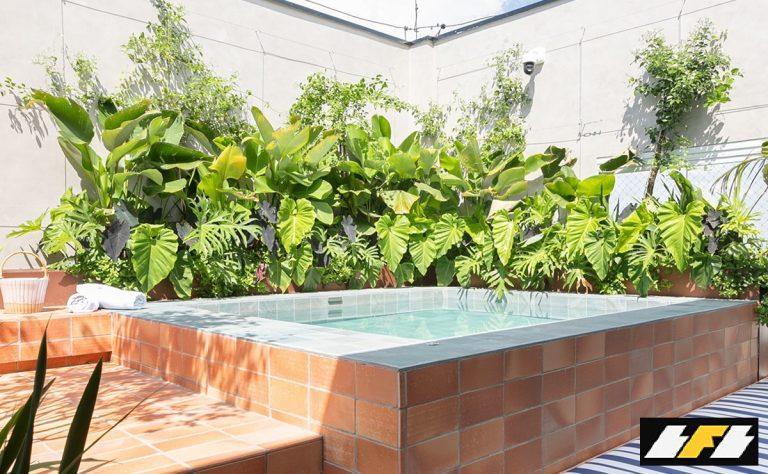
Green roofs and walls are becoming popular features in sustainable homes. These living installations provide insulation, reduce heat island effect, and promote biodiversity. They also add aesthetic value to the property and enhance air quality.
Open-Plan Layouts
Open-plan layouts are favored for their ability to enhance natural light distribution and ventilation. By minimizing interior walls and barriers, these designs create spacious, airy environments that require less artificial lighting and climate control.
Takeaways
As the world becomes more conscious of environmental issues, sustainable living is no longer a niche concept but a mainstream necessity. Modern homes are evolving to reflect this shift, incorporating eco-friendly trends that prioritize energy efficiency, resource conservation, and innovative design. By embracing sustainable practices, homeowners can create living spaces that are not only environmentally responsible but also comfortable and aesthetically pleasing.

For those interested in embarking on their sustainable living journey, numerous resources are available to guide you through the process. Organizations like the World Wildlife Fund offer valuable insights and tools to help you make informed decisions that align with sustainable principles.
By adopting these eco-friendly trends, you can contribute to a healthier planet while enjoying the benefits of a sustainable home. Whether you’re building a new home or renovating an existing one, the opportunities for sustainable living are abundant and rewarding.
Living Sustainably: A Community Effort
Sustainable living extends beyond individual homes; it is a collective effort that encompasses entire communities. As awareness grows, neighborhoods and housing developments are increasingly designed with sustainability at their core, fostering a collaborative approach to environmental responsibility.
Eco-Friendly Community Design
Eco-friendly communities are designed to minimize environmental impact through strategic planning and the integration of green infrastructure. This includes the creation of shared green spaces, community gardens, and pedestrian-friendly layouts that encourage walking and cycling over driving.
Such communities often feature a mix of residential, commercial, and recreational spaces, reducing the need for long commutes and promoting local economies. Urban planners and developers are increasingly adopting these principles to create environments that support sustainable lifestyles.
Community Energy Solutions
Communities are also exploring shared energy solutions, such as community solar projects. These initiatives allow residents to collectively invest in renewable energy sources, such as solar or wind power, without the need for individual installations. By pooling resources, communities can benefit from economies of scale, making renewable energy more accessible and affordable.
For more on community energy projects, consider exploring initiatives by the U.S. Department of Energy.
Education and Advocacy
Education plays a crucial role in promoting sustainable living within communities. Workshops, seminars, and local events can help raise awareness about the importance of sustainable practices and provide residents with the tools and knowledge needed to make informed choices.
Community groups and environmental organizations often spearhead these educational efforts, advocating for policy changes and providing resources to support sustainable initiatives. Engaging with these groups can empower individuals to take active roles in their community’s sustainability journey.
Sustainability in Home Renovations
For many homeowners, the path to sustainable living begins with renovating existing properties. Home renovations offer an excellent opportunity to integrate eco-friendly concepts and upgrade to more sustainable systems and materials.
Energy Audits and Retrofits
A home energy audit is an essential first step in any renovation project aimed at improving sustainability. By identifying areas of energy loss, such as poor insulation or inefficient windows, homeowners can prioritize upgrades that will have the most significant impact on energy efficiency.
Retrofits may include adding insulation, sealing air leaks, and replacing outdated heating and cooling systems with energy-efficient alternatives. These improvements not only reduce energy consumption but also enhance indoor comfort and lower utility bills.
Choosing Sustainable Materials
When renovating, selecting sustainable materials is crucial. This includes opting for low-VOC paints, which contribute to better indoor air quality, and choosing sustainably sourced wood for flooring and cabinetry. Reclaimed and recycled materials can also add unique character to a home while reducing demand for new resources.
Incorporating Smart Technology
Smart technology can be seamlessly integrated into home renovations, offering improved efficiency and convenience. Smart thermostats, lighting systems, and energy management tools can be installed to optimize energy use and provide real-time insights into consumption patterns.
These technologies not only enhance sustainability but also offer modern conveniences that align with the lifestyle of tech-savvy homeowners.
The Future of Sustainable Living
As technology advances and awareness grows, the future of sustainable living looks promising. Innovative solutions and cutting-edge research continue to shape the way we design, build, and live in our homes.
Emerging Technologies
Emerging technologies, such as energy storage solutions and advanced building materials, are set to revolutionize sustainable living. Innovations in battery technology, for instance, will enhance the efficiency and reliability of renewable energy systems, making them more viable for widespread adoption.
Policy and Regulation
Governments and regulatory bodies play a pivotal role in promoting sustainable living through policies and incentives. Building codes and standards are increasingly incorporating sustainability criteria, encouraging developers and homeowners to adopt eco-friendly practices.
Incentives, such as tax credits and rebates for renewable energy installations and energy-efficient upgrades, further motivate individuals and businesses to invest in sustainability.
For example, the U.S. Energy Information Administration provides valuable insights into energy efficiency and conservation efforts spearheaded by governments worldwide.
Global Collaboration
Sustainable living is a global endeavor, requiring collaboration across borders and sectors. International agreements, such as the Paris Agreement, aim to address climate change by promoting sustainable practices on a global scale. These efforts highlight the importance of collective action in achieving long-term environmental goals.
Takeaways
Sustainable living is more than a trend; it is a necessity for ensuring a healthy planet for future generations. By embracing eco-friendly trends and practices, homeowners can significantly reduce their environmental impact while enjoying the benefits of modern, comfortable living spaces.
The journey towards sustainability is ongoing, with new innovations and opportunities continually emerging. By staying informed and engaged, individuals and communities can contribute to a more sustainable future, redefining what it means to live harmoniously with our environment.
For those inspired to take the next step, exploring resources from organizations like the Greenpeace can provide valuable guidance and support in your sustainable living journey.