Interior of a Brazilian home prepared for floods with raised furniture and waterproof storage.
Updated: April 9, 2026
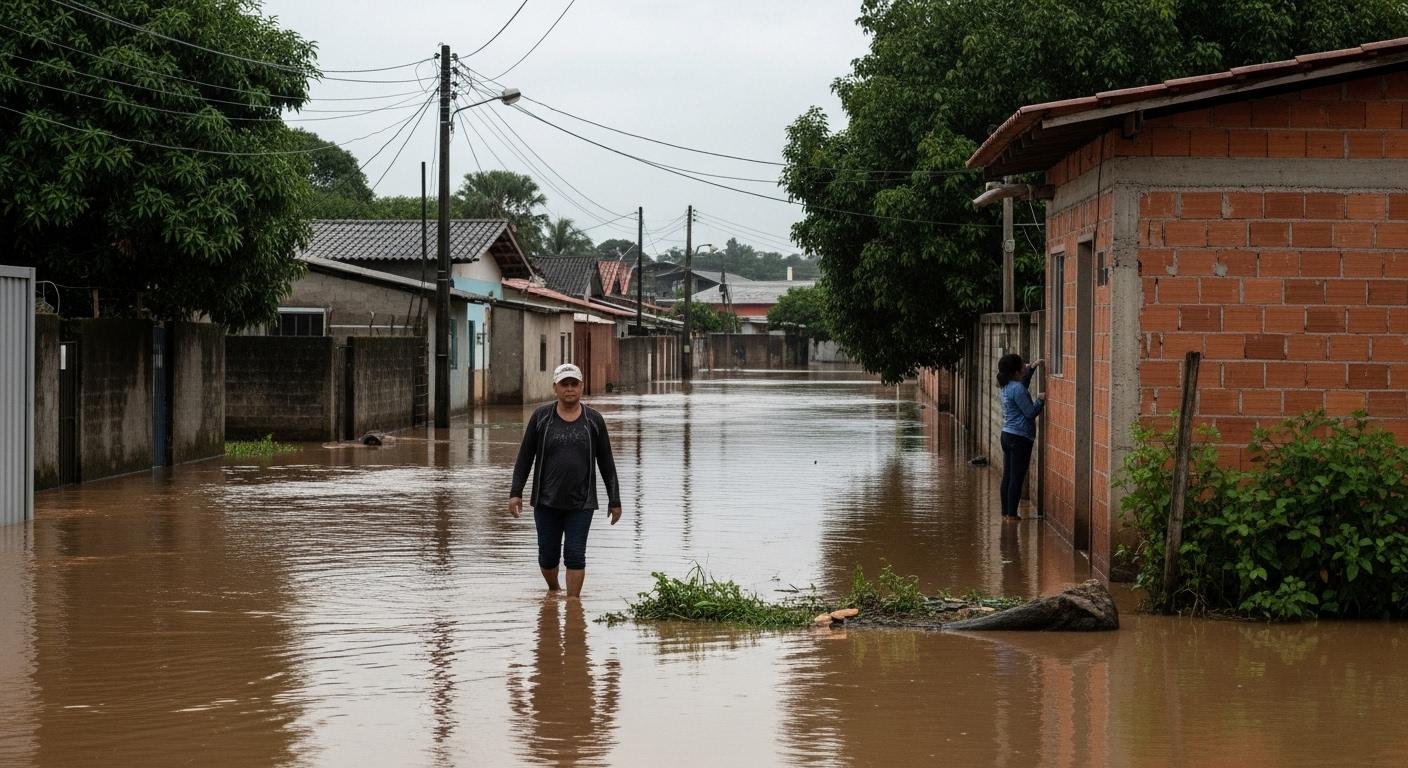
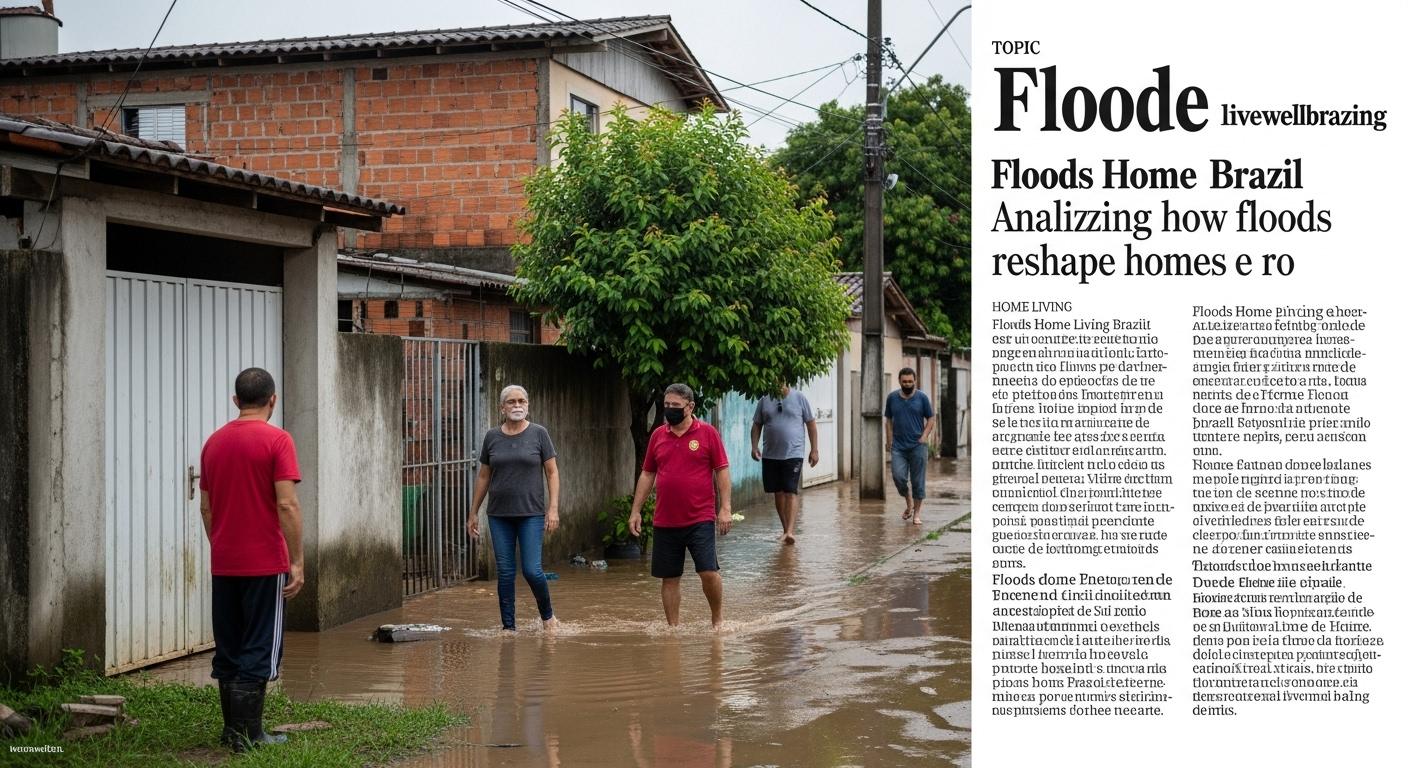
In the context of intensifying climate events, floods Home Living Brazil are reshaping how households prepare for, endure, and recover from inundations that affect homes across Brazil’s regions. This analysis looks beyond immediate damage to reveal how families adapt their routines, purchases, and design choices to survive seasonal deluges and flash floods alike.
Context: why floods reach homes in Brazil
Brazil confronts more extreme rainfall patterns as climate variability intensifies. In southeastern states and river basins, intense downpours can overwhelm urban drainage, especially where aging infrastructure and informal housing clusters intersect with rapid urban growth. When floodwater breaches thresholds, it seeps into living spaces, frequently targeting ground floors and low-lying rooms. The consequence is not only property damage but a shift in daily life: residents relocate mattresses, seal door gaps with improvised barriers, and elevate essential goods to higher shelves or upper rooms. Addressing this challenge requires looking at climate signals alongside social contexts, including housing inequality and municipal capacity.
Beyond the immediate water intrusion, households contend with mold, dampness, and the disruption of routines that rely on predictable spaces. Kitchens become temporary command posts for cleanup and storage, while bedrooms convert into overflow areas when sleeping layouts must be rearranged. These adaptations reveal a broader truth: homes are not simply shelters but ecosystems that must function under repeated stress, demanding resilient materials, flexible layouts, and reliable access to power, water, and information during crises.
Implications for home living and household resilience
The odds of recurrent inundation push families toward practical, low-cost resilience strategies. Water-resistant flooring and sealants help reduce long-term damage, while raised storage and waterproof containers minimize loss of possessions. Electrical safety becomes a priority—outlets and circuits positioned above anticipated flood levels, along with properly maintained sump pumps or rainwater diversions, can prevent short circuits and fires. In households with limited resources, neighbors share tools and gear, turning individual improvisation into a collaborative approach for safeguarding valuables and maintaining basic routines such as cooking and laundry during disruption.
Storage decisions reflect a broader mindset: if water can intrude, then items that could become moldy or unusable must be moved off the floor and into watertight containment. Small steps—like securing important documents in waterproof bags, organizing emergency kits, and establishing a clear plan for protecting electronics—translate into tangible reductions in loss and downtime. The home becomes a laboratory for risk reduction: every choice, from floor plan to furniture placement, conveys a strategy for safer living under climate-impacted conditions.
Urban planning and neighborhood responses
In many communities, individual resilience hinges on collective investment. Upgrading drainage networks, restoring green corridors, and enforcing building codes that account for flood risk can dramatically reduce the frequency and severity of intrusions into homes. Municipalities that align land-use planning with flood forecasting empower residents with timely information and safer evacuation options. Neighborhood-level initiatives—such as community shelters, accessible emergency lighting, and shared resources for sandbags or pumps—help distribute risk more evenly and prevent cascading disruptions across households.
Policy attention to housing inequities matters here: informal settlements often lack proper elevation and water management infrastructure, making them disproportionately vulnerable. Addressing these gaps requires not only capital projects but also inclusive planning processes that bring residents into decision-making and maintenance cycles. In parallel, insurers and lenders can encourage risk-informed upgrades by rewarding households that implement flood-resilient features, creating incentives for long-term safety rather than short-term fixes.
Actionable Takeaways
- Prepare a household flood kit with non-perishable food, water, flashlights, batteries, a first-aid kit, essential documents, and a portable radio to receive alerts when power is interrupted.
- Elevate critical outlets and appliances where possible, install waterproof storage bins, and use sealants to reduce wind-driven or ground water intrusion at entry points.
- Designate a safe, upper-level area in the home for shelter during flooding, and establish a family evacuation plan with a meeting point and contact list.
- Regularly inspect and clear drainage around the property, maintain rain gutters, and consider simple sump pump or water-diversion solutions where feasible.
- Choose durable, water-resistant furnishings and storage solutions that can be repositioned quickly, enabling faster recovery after a flood event.
Source Context
For context and corroboration, the following outlets have reported on flood events affecting Brazil, illustrating the range of impacts on communities and households: