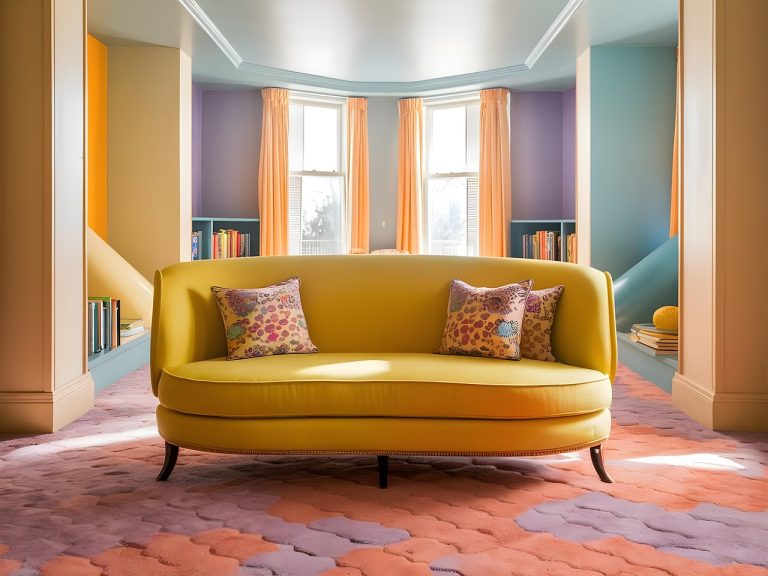
Brazilian living room with sustainable design and natural light
Updated: April 9, 2026
Brazilian homes are not simply places to shelter; they are laboratories of everyday resilience, adapting to climate, urban constraints, and shifting incomes. In this context, this commentary Home Living Brazil examines how households balance comfort, durability, and cost in a landscape where energy bills, water availability, and housing quality increasingly intersect with daily routines and long-term planning.
Context: Home Living Trends in Brazil
Brazil’s vast geography ensures that climate and housing needs vary dramatically from the arid interior to the humid northeast and temperate south. In the north and northeast, heat and humidity push a premium on shading, ventilation, and moisture-resistant materials, while the south’s cooler nights drive demand for insulation and adaptable spaces. Urban cores—São Paulo, Rio de Janeiro, and their satellite cities—present a further layer of complexity: dense neighborhoods, limited outdoor space, and higher exposure to heat islands push residents toward compact layouts, modular furniture, and energy-conscious design choices. Across regions, flood-prone districts and rising water tables add urgency to elevated storage, water management, and entryway separation that protects belongings and living areas during heavy rains. Taken together, these realities suggest that home living in Brazil is less a single standard and more a toolkit of adaptive strategies designed to preserve comfort under variable weather, income pressures, and housing stock quality.
Beyond climate, the composition of Brazilian households—smaller families in cities, multigenerational setups in some regions, and evolving rental markets—shapes how spaces are used. People increasingly value flexible zones that can function as living rooms, workspaces, or guest areas with minimal reconfiguration. In this milieu, the physical design of a home intersects with routines: where to store fresh produce, how to keep electronics safe from humidity, and which surfaces resist staining during frequent cooking and laundry tasks. The result is a practical, everyday reframing of comfort that centers on durability, cost, and ease of maintenance as much as aesthetics.
Economic Shifts and Household Habits
Economic pressures are nudging households to re-prioritize their purchases around long-run value rather than short-term novelty. When energy bills rise and appliances become more efficient, families tend to favor devices with lower running costs, longer lifespans, and repairable components. Insulation improvements, shading devices, and better air circulation reduce the burden on cooling systems during tropical summers, translating into tangible monthly savings. In neighborhoods where formal financing is limited, many households pursue multi-year improvement plans funded through cooperative networks, micro-credits, or staged renovations that spread costs over time. This pragmatic approach is complemented by a DIY sensibility: residents often learn basic maintenance, repurpose furniture, and adopt weatherproofing techniques that do not rely on expensive professional interventions. The upshot is that home living becomes a continuous, incremental process of optimizing for comfort, resilience, and affordability rather than a one-time upgrade.
Households also adapt to the unpredictability of climate-driven events. The increasing frequency of heavy rainfall, heat spikes, and seasonal droughts requires contingency thinking—from rainwater harvesting and secure storage to elevated pantry corners and modular spaces that can be sealed off during downpours. In this frame, everyday decisions—where to place a washing line, how to route electrical outlets for future upgrades, or which materials tolerate humidity—become acts of long-term risk management as much as style choices.
Smart Living: Sustainability and Local Solutions
A notable shift in Brazilian home living is a pivot toward sustainability that aligns with affordability. Local suppliers highlight materials that stay cool in heat and resist moisture, such as ceramic tiles and breathable façade elements that reduce indoor heat buildup. Rainwater collection and simple filtration systems are increasingly common in homes and small enterprises, supported by municipal incentives or community programs. Energy-wise, households lean toward lighting and appliances with efficient performance envelopes, alongside shared innovations like compact cooling zones or portable solar options in areas with limited grid access. This emphasis on practical, locally sourced solutions helps households reduce dependence on costly imports while supporting regional manufacturing ecosystems. The result is a more resilient domestic sphere in which design choices are guided by long-term maintenance costs, climate compatibility, and community-level knowledge sharing as much as by immediate fashion or trend.
Local designers and small manufacturers are also reimagining furniture and storage with repairability in mind. Modular systems that can be updated piece by piece, rather than replaced, extend a home’s usable life and reduce waste. When combined with simple maintenance routines—cleaning, sealing, replacing weatherstripping—this approach sustains comfort across seasons and economic cycles. The broader implication is clear: sustainable home living in Brazil increasingly means integrating reliable materials, repairable components, and scalable upgrades that households can manage without dependent on expensive service contracts.
Policy, Community, and Resilience
Policy initiatives at municipal and state levels increasingly incentivize energy efficiency and water stewardship as part of urban resilience plans. Programs that subsidize efficient appliances, support rainwater harvesting, or encourage retrofitting existing housing stock help households lower ongoing costs while improving climate readiness. Community networks—neighborhood associations, repair cafés, and mutual aid groups—play a pivotal role in spreading practical know-how and pooling resources for larger upgrades. In many urban areas, these networks convert passive knowledge into active resilience: shared tools for weatherproofing, group purchasing of energy-efficient devices, and collective planning for flood risk or heat waves. For families facing uncertain income streams, such community-based approaches can stabilize living standards by transforming home improvement from a private expense into a collective investment that benefits neighbors as well as individuals.
Looking ahead, scenario framing suggests several plausible trajectories. If high energy prices persist, demand for durable, low-maintenance systems will accelerate, pushing suppliers toward modular, repair-first models. If climate risks intensify, water stewardship and flood-resilient design will become standard features in affordable housing programs. In either scenario, the core principle remains: practical home living thrives when design, economy, and community action reinforce each other to deliver stable, comfortable living spaces for Brazilian households.
Actionable Takeaways
- Prioritize passive cooling and shading: use natural ventilation, planter screens, and overhangs to reduce indoor heat without increasing energy use.
- Invest in weatherproofing and durable materials that resist humidity and mold, lowering maintenance costs over time.
- Incorporate water-saving measures and rainwater harvesting to improve resilience during dry spells and protect indoor storage areas during heavy rain.
- Choose energy-efficient appliances and smart power management to cut running costs as prices fluctuate.
- Support local design and repair ecosystems: opt for modular furniture, repairable fixtures, and community programs that promote knowledge sharing.