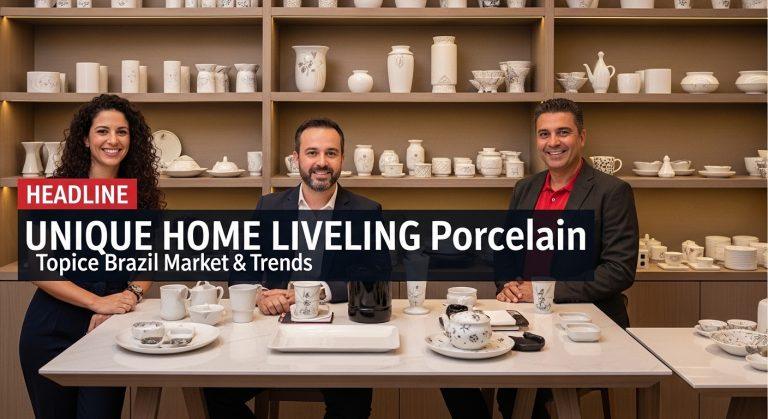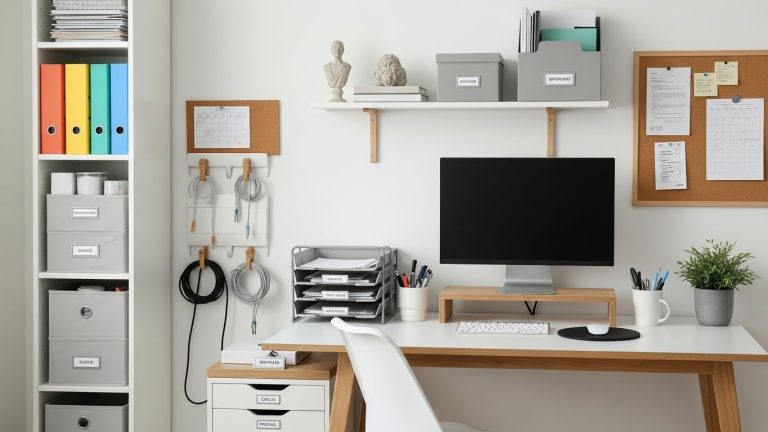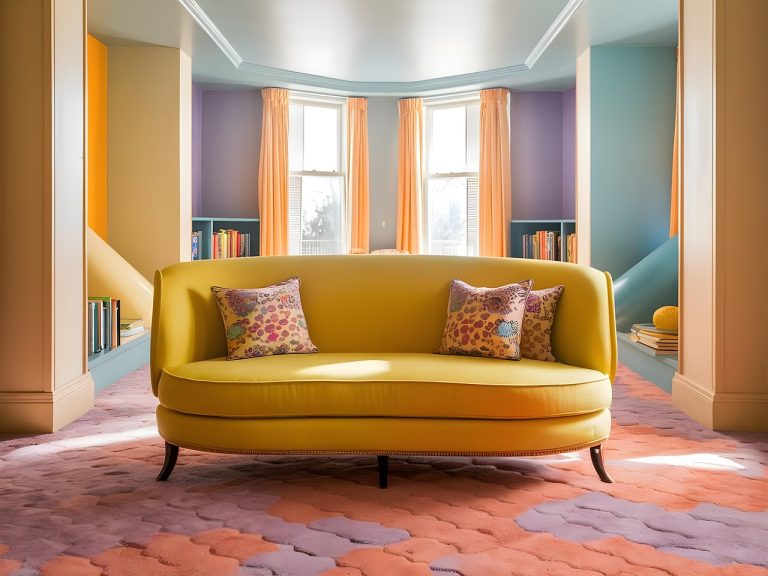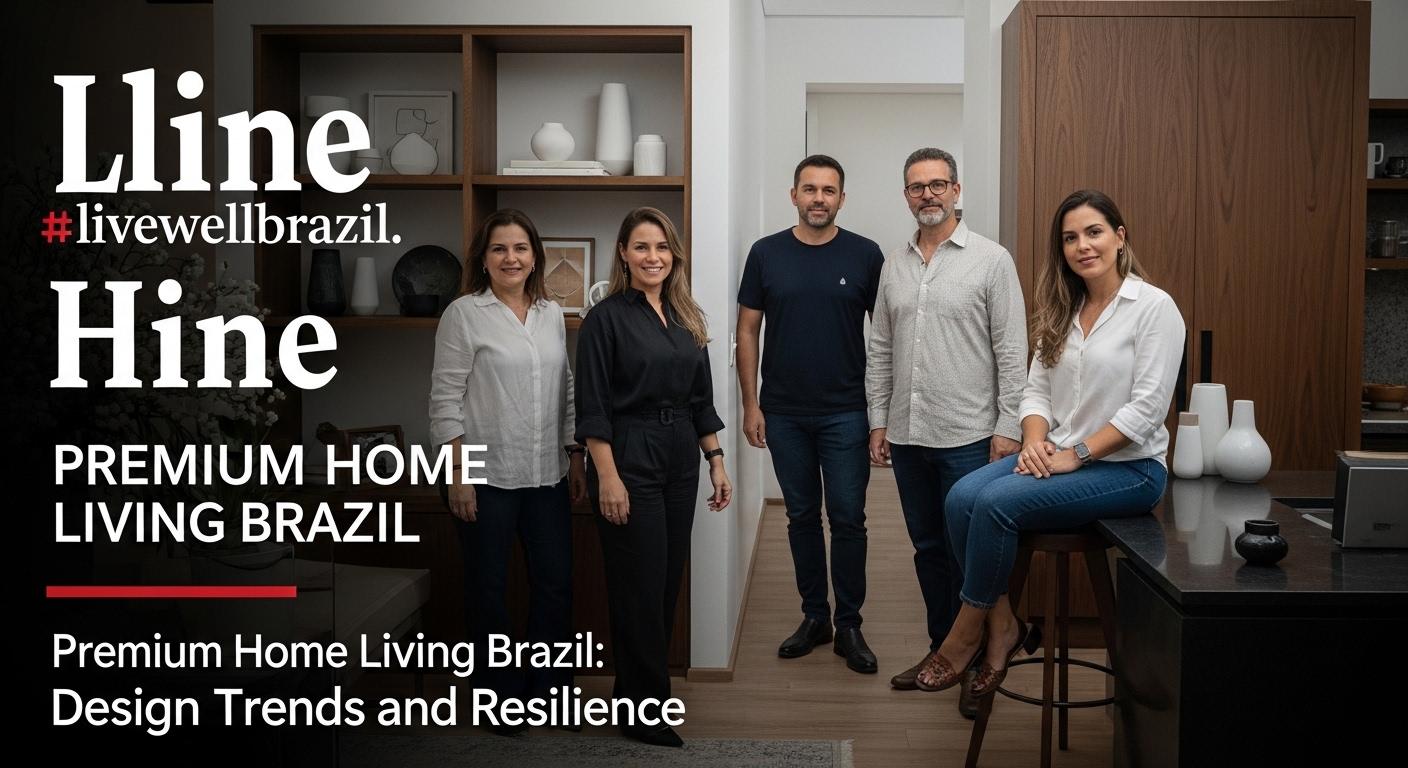
Premium Brazilian living room with natural textures and sustainable materials.
Updated: April 9, 2026
Across Brazil, premium Home Living Brazil has become a lens through which households rethink comfort, durability, and value in a climate-challenged era. Designers and manufacturers are recalibrating materials, finishes, and spaces, and the conversation about how Brazilians live at home—and how their homes live with them—has never been more timely.
Market Dynamics of Premium Home Living Brazil
In major cities from Rio to Belo Horizonte, demand for premium Home Living Brazil blends luxury with practicality. Consumers increasingly seek furniture and finishes that endure seasonal humidity, frequent rainfall, and shifting temperatures, while maintaining a distinctly Brazilian aesthetic that feels warm and lived-in. The shift away from purely ostentatious displays toward integrated systems—built-in storage, modular seating, and adaptable lighting—reflects a matured definition of value in hospitality-grade homes and private residences.
Local artisans, small studios, and larger brands collaborate to offer provenance and longevity. Materials with resilience against humidity and pests, low-VOC paints, and durable textiles are now mainstream, even at premium price points. The pandemic-era acceleration of e-commerce and virtual showrooms also expanded access to premium brands for households in secondary cities, not just capitals.
Recent climate events—such as heavy rainfall and flooding that affected communities across Minas Gerais—underscore why climate resilience is more than a marketing term. Designers increasingly embed moisture management, elevated storage, and drainage-aware landscaping into interior planning. Meanwhile, a related trend is the cross-border interest in Brazilian design, with examples like a Brazilian brand opening a first Texas showroom, signaling a demand from the Brazilian diaspora and American audiences alike for premium, culturally rooted aesthetics.
Design and Sustainability in a Climate-Resilient Home
Inside the home, the focus is on moisture control and air quality. Engineered floors and solid-surface counters are favored for their longevity and ease of cleaning. Textiles like performance fabrics and natural fibers are chosen for comfort and sustainability, while proper sealing and ventilation reduce mold risk in humid seasons. Lighting strategies emphasize natural daylight, complemented by energy-efficient LEDs and smart controls that cut energy waste without sacrificing ambiance.
Materials matter not just for appearance but for performance. Brazilians increasingly choose FSC-certified wood, recycled metals, and low-VOC paints to minimize indoor pollutants. Outdoor spaces are designed with rain management in mind—permeable paving, rain gardens, and balcony planters that capture runoff and add green insulation. These features are not mere add-ons; they influence the sense of security and long-term maintenance costs households are willing to accept in exchange for premium living.
Globalization and Local Craft
The eye-catching trend of Brazilian brands expanding into broader markets—such as a first Texas showroom reported in industry media—reflects a global appetite for Brazilian craft and design language. For Brazilian households, export success can drive better materials, wider distribution, and opportunities for collaboration with designers trained in global standards. For American buyers, it offers access to unique textures, warm color palettes, and sustainable production practices rooted in Brazilian forestry and artisanal techniques.
However, export growth also raises questions about scale, cultural adaptation, and supply chain resilience. As brands widen distribution, they face tariff dynamics, translation of service models, and the need to maintain quality across markets. Domestic Brazilian brands may respond by investing in bilingual marketing, regional showrooms, and digital platforms that bridge local and international channels.
Future Scenarios for Brazilian Living Spaces
If climate risks intensify, the housing market may increasingly reward designs that integrate water stewardship, energy efficiency, and climate-adaptive layouts. Expect higher demand for built-in storage, elevated flooring, and materials with low maintenance requirements. Government incentives for energy retrofits or flood-resilient construction could accelerate investment in premium interiors designed to withstand weather variability while preserving style.
Conversely, rapid adoption of global e-commerce and virtual consultancies could compress margins or homogenize styles, unless brands maintain distinctive Brazilian character through texture, color, and craft details. The most resilient players will blend global accessibility with local authenticity, offering customization options that allow households to tailor premium aesthetics to regional climates and cultural tastes.
Actionable Takeaways
- Prioritize humidity-resistant materials and moisture management features in renovations to extend both beauty and longevity of premium interiors.
- Invest in climate-smart fabrics, low-VOC finishes, and durable surfaces that align with a premium but practical lifestyle.
- Explore cross-border collaborations to access diverse materials, craftsmanship, and new markets while preserving brand identity.
- Incorporate energy efficiency and rainwater management into design plans to reduce operating costs and environmental impact.
- Use digital platforms for design consultations and showrooms to reach broader Brazilian and international audiences.