Maximizing Small Spaces Home Living Trends For Urban Dwellers
Updated: April 9, 2026
Maximizing Small Spaces: Home Living Trends for Urban Dwellers
In the bustling urban environments of today, living spaces are becoming increasingly compact. As cities grow and housing becomes more expensive, urban dwellers are challenged to make the most out of limited space. Fortunately, innovative and stylish trends are emerging, allowing city residents to maximize their small spaces without sacrificing comfort or aesthetics. This article explores the latest trends in home living for urban settings, offering insights and practical solutions for those looking to enhance their compact living environment.
Understanding the Urban Living Landscape
Urban living often entails residing in apartments or small houses where space is at a premium. The U.S. Census Bureau defines urban areas as regions with a high population density, which naturally leads to smaller living quarters. With this in mind, urban dwellers must be strategic in their approach to home design. The focus is on creating functional, stylish, and efficient spaces that cater to modern lifestyles without feeling cramped.
Multifunctional Furniture: The Cornerstone of Small Space Living
One of the most effective ways to maximize space is through multifunctional furniture. These pieces serve multiple purposes, such as a sofa that transforms into a bed or a coffee table that doubles as storage. The concept of multifunctionality is not new, but it has gained popularity due to its practicality. Modern designs incorporate sleek aesthetics with utility, ensuring that functionality does not compromise style.
Consider investing in a modular sofa that can be reconfigured to suit different needs. Such pieces allow urban dwellers to host guests comfortably while maintaining a tidy and organized home. Additionally, wall-mounted desks and foldable dining tables are excellent choices for those who require flexibility in their living space.
Vertical Space Utilization
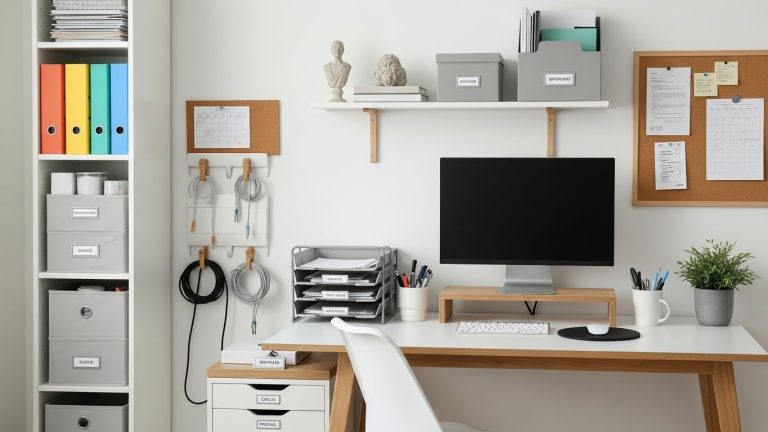
When floor space is limited, vertical space becomes invaluable. Urban dwellers can transform their homes by incorporating storage solutions that extend upwards. Wall-mounted shelves, hanging planters, and tall bookcases are just a few ways to utilize vertical space effectively.
Furthermore, lofted beds are a popular choice among city residents. By elevating the sleeping area, you free up valuable floor space that can be used for a desk, seating area, or additional storage. This approach not only maximizes space but also creates a distinctive and modern aesthetic.
Innovative Storage Solutions
In small living spaces, clutter can quickly become overwhelming. As such, innovative storage solutions are essential for maintaining a tidy home. Consider using under-bed storage containers, over-the-door organizers, and furniture with built-in storage to keep belongings neatly tucked away.
Another trend is the use of transparent storage options, such as clear boxes or glass jars, which allow you to easily identify contents while maintaining a clean and minimalist look. This approach can be particularly useful in kitchens and bathrooms where organization is key.
Embracing Minimalism
Minimalism is more than a design aesthetic; it’s a lifestyle choice that aligns perfectly with small space living. By adopting a minimalist approach, urban dwellers can focus on quality over quantity, keeping only items that serve a purpose or bring joy.
The minimalist trend encourages decluttering and prioritizing open spaces. This does not mean sacrificing personal style; rather, it involves curating a selection of meaningful items that enhance the living environment. For inspiration, explore resources such as Becoming Minimalist, which offers guidance on simplifying your life and home.
Smart Technology Integration
Integrating smart technology into small spaces is a trend that continues to gain traction. Smart home devices can enhance convenience and efficiency in urban living. Consider installing smart lighting systems that allow you to adjust brightness and color temperature, creating the perfect ambiance for any occasion.
Smart thermostats and security systems can also be valuable additions, offering control and peace of mind without taking up physical space. As these technologies advance, they become more accessible and user-friendly, making them ideal for urban dwellers looking to streamline their home environment.
Biophilic Design: Bringing Nature Indoors
Biophilic design focuses on incorporating natural elements into indoor spaces, promoting well-being and a connection to nature. In urban settings, where access to green spaces may be limited, this design approach can be particularly beneficial.
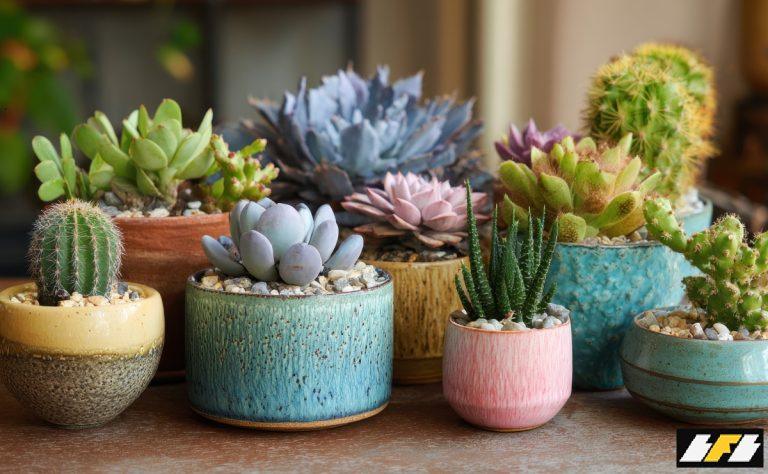
Adding indoor plants is a simple yet effective way to bring nature indoors. Plants not only enhance the aesthetic appeal of a space but also improve air quality and create a calming atmosphere. For those with limited floor space, consider hanging plants or wall-mounted planters to incorporate greenery without sacrificing room.
Natural materials, such as wood and stone, can also be integrated into furniture and decor to reinforce the biophilic design. These elements add texture and warmth, creating a welcoming and harmonious home environment.
The Role of Color and Light
Color and light play crucial roles in shaping the perception of space. In small living environments, using light, neutral colors can make rooms feel larger and more open. White, beige, and light gray are popular choices that reflect light and create an airy atmosphere.
Lighting is equally important. Natural light should be maximized wherever possible, using sheer curtains or blinds to allow sunlight to filter through. In areas lacking natural light, strategically placed mirrors can reflect light and enhance the sense of space. Additionally, layering different types of lighting, such as ambient, task, and accent lighting, can add depth and dimension to a room.

Conclusion: Crafting Your Small Space Sanctuary
In conclusion, maximizing small spaces requires a blend of creativity, innovation, and practicality. By embracing multifunctional furniture, utilizing vertical space, and incorporating smart technology and biophilic design, urban dwellers can transform compact living areas into stylish and functional sanctuaries. As living trends continue to evolve, the focus remains on creating environments that cater to the needs of modern city life, offering comfort, efficiency, and personal expression.
For those looking to further explore small space living solutions, resources such as Houzz provide a wealth of inspiration and ideas. By thoughtfully implementing these trends, urban residents can enjoy a harmonious and refreshing living experience, regardless of the square footage.
Personalizing Small Spaces
Even in compact living environments, personalization is key to making a space feel like home. Personal touches can transform a generic apartment into a unique, inviting retreat. One way to personalize small spaces is through artwork and decor that reflect your style and interests. Consider creating a gallery wall with a curated selection of art pieces or photographs that resonate with you.
Textiles also offer an opportunity for personalization. Throw pillows, rugs, and curtains in patterns or colors that you love can add character and warmth to a space. These items are not only decorative but can also serve functional purposes, such as improving acoustics or adding softness underfoot.
Another way to personalize your space is by incorporating meaningful objects or heirlooms that tell a story. These items can serve as conversation starters and provide a deeper connection to your environment. For ideas on personalizing small spaces, websites like Apartment Therapy offer a plethora of creative solutions and inspiration.
Designing for Flexibility and Adaptability
In urban living, the ability to adapt spaces to different functions is crucial. Flexible design allows you to make the most of your space, whether you’re working from home, entertaining guests, or relaxing. Consider using movable partitions or sliding doors to divide rooms as needed, providing both privacy and openness when required.
Furniture on wheels or with casters can also enhance flexibility, allowing you to reconfigure layouts easily. This is particularly useful in studio apartments or open-plan spaces where defining distinct areas can make a significant difference in functionality and flow.
Additionally, investing in furniture that can be easily disassembled or folded away offers adaptability. Items like foldable chairs or collapsible kitchen islands can be stowed when not in use, freeing up valuable floor space. This adaptability ensures that your home can evolve with your needs and lifestyle changes over time.
Community Living and Shared Spaces
As urban areas become more dense, community living and shared spaces are gaining popularity. Co-living arrangements provide opportunities for residents to benefit from shared amenities, such as communal kitchens, workspaces, and recreational areas. This approach allows individuals to enjoy a larger living experience without the associated costs of a private residence.
Community living encourages social interaction and can foster a sense of belonging, which is particularly important in bustling urban environments. Shared spaces are designed to be functional and welcoming, often incorporating modern design elements and smart technology to enhance usability.
For those interested in community living, exploring options such as co-housing or co-living communities can be rewarding. Websites like Shareable offer insights into shared living models and how they can enrich urban life.
Environmental Considerations in Small Space Living
With growing awareness of environmental issues, urban dwellers are increasingly considering sustainability in their living spaces. Choosing eco-friendly materials and energy-efficient appliances not only benefits the planet but can also reduce utility costs in the long run.
Opt for furniture made from sustainable resources, such as bamboo or reclaimed wood, which offer both durability and style. Energy-efficient LED lighting and smart thermostats can significantly reduce energy consumption, aligning with a more sustainable lifestyle.
Additionally, small space living often naturally lends itself to a reduced carbon footprint due to smaller square footage requiring less energy for heating, cooling, and lighting. Embracing sustainability in home design positively impacts the environment while creating a healthier living space.
Final Thoughts on Urban Living Trends
Maximizing small spaces in urban environments is a dynamic and exciting challenge. By staying informed about the latest home living trends and integrating innovative solutions, urban dwellers can create functional, stylish, and sustainable homes. The key is to blend practicality with personal expression, ensuring that each space reflects the individuality and lifestyle of its inhabitants.
As urban landscapes continue to evolve, the demand for smart, efficient, and beautiful living spaces will only grow. Embracing these trends not only enhances everyday living but also prepares urban dwellers for the future of city life. Ultimately, the goal is to create a harmonious environment that supports well-being, productivity, and personal satisfaction.