Smart Home Gadgets The Future Of Home Living
Updated: April 9, 2026
For brazilians Home Living Brazil, everyday spaces are increasingly seen as a canvas for resilience, efficiency, and well-being. As urban life tightens and climates change, households reimagine rooms not merely as shelter but as hubs for work, care, and connection.
A shifting domestic landscape in Brazil
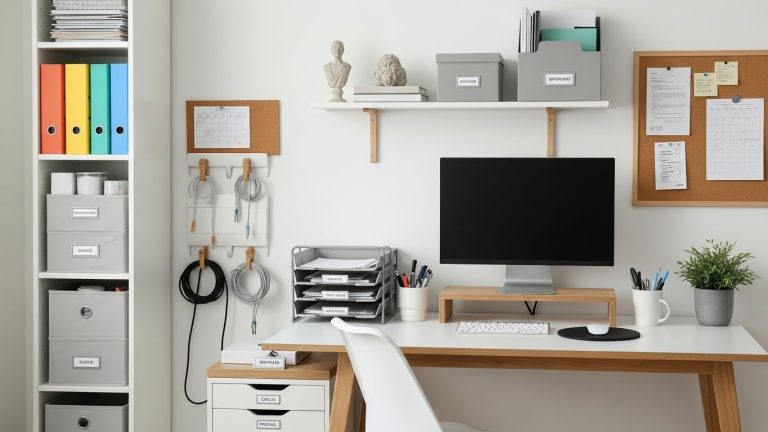
Across Brazilian cities—from the dense cores of São Paulo to coastal towns in the northeast—homes are being redesigned to maximize flexibility. Compact apartments install modular furniture that can morph from dining to work zones, while balcony or courtyard spaces become micro-oases for herbs, airflow, and daylight. The shift is not just about aesthetics; it reflects a practical logic: fewer square meters, more value in how each meter is used. In many households, the kitchen doubles as a mini-workspace, and laundry tasks are streamlined with compact washers that fit into tight layouts. This reconfiguration signals a broader trend toward domestic environments that support multitasking without sacrificing comfort.
Economic and cultural drivers shaping home life
Unaffordable rents and volatile housing costs in major markets push families toward smarter, longer-lasting investments. When a living room can host a family gathering one weekend and a home office the next, households stretch budgets by postponing room-by-room renovations and instead opting for durable, adaptable elements. Culturally, Brazilians prize hospitality and close family ties, which translates into designs that accommodate frequent gatherings, guest sleep spaces, and flexible storage that can be repurposed as needs evolve. The rise of remote work, even if partial, accelerates demand for quiet zones, reliable lighting, and internet-friendly nooks, shaping purchasing decisions for furniture, electrical devices, and climate control technologies.
Practical design implications for Brazilian homes
Humidity, heat, and humidity-related wear demand materials that resist mold and pests. Builders and homeowners increasingly favor ceramic tiles, lime-washed walls, and breathable textiles, paired with exterior shading, cross-ventilation, and ceiling fans to reduce reliance on air conditioning. Storage becomes a priority, often integrated into built-in wardrobes, under-stair nooks, and wall-mounted cabinets to preserve floor space. Outdoor areas—balconies, narrow patios, and compact gardens—are treated as living rooms by another name, with weatherproof seating, planters, and solar lanterns that extend usable hours after sunset. These choices reflect a practical philosophy: comfort should arise from efficiency, not excess.
Policy and market signals
Analysts see a constellation of market signals pointing toward more efficient, value-driven homes. Financing for home improvements, streamlined procurement of energy-saving appliances, and public or utility-led incentives for solar panels and water-saving fixtures contribute to a more resilient domestic fabric. While not uniform across the country, these signals help households plan upgrades that pay back through lower bills and higher comfort. The result is a domestic environment where design decisions—lighting, ventilation, and durable finishes—are informed by both climate realities and the economics of everyday life.
Actionable Takeaways
- Choose multifunction furniture that transforms spaces for work, dining, and rest, especially in smaller homes.
- Prioritize energy- and water-efficient appliances and fixtures to cut ongoing costs and environmental impact.
- Invest in durable, humidity-resistant materials suitable for Brazilian climates and seasons.
- Design for flexible outdoor spaces, even if small, to expand usable living areas.
- Plan with adaptability in mind to accommodate changes in family size, work patterns, or mobility needs.
Source Context
From an editorial perspective, separate confirmed facts from early speculation and revisit assumptions as new verified information appears.
Track official statements, compare independent outlets, and focus on what is confirmed versus what remains under investigation.
For practical decisions, evaluate near-term risk, likely scenarios, and timing before reacting to fast-moving headlines.
Use source quality checks: publication reputation, named attribution, publication time, and consistency across multiple reports.
Cross-check key numbers, proper names, and dates before drawing conclusions; early reporting can shift as agencies, teams, or companies release fuller context.
When claims rely on anonymous sourcing, treat them as provisional signals and wait for corroboration from official records or multiple independent outlets.
Policy, legal, and market implications often unfold in phases; a disciplined timeline view helps avoid overreacting to one headline or social snippet.