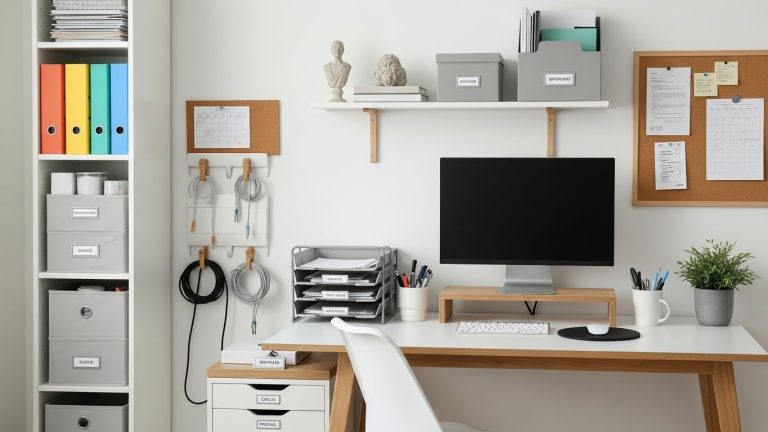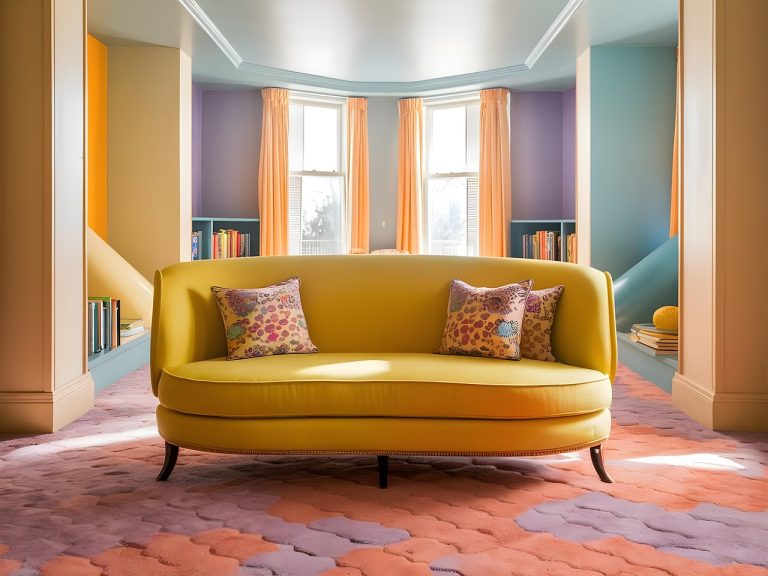
Interior shot of a premium Home Living Brazil-inspired living room with sustainable materials and refined design.
Updated: April 9, 2026
As Brazil’s climate stretches from misty southern highlands to tropical coastlines, the way households respond to cooler days has become a practical lens on daily living. The concept of winter Home Living Brazil encapsulates a set of choices that blend local materials, climate awareness, and everyday routines to maintain comfort without waste. This analysis surveys how Brazilian homes can adapt to winter with insulation, humidity control, and smarter energy habits, turning chilly days into opportunities for healthier living and lower bills.
Understanding the Brazilian Winter Context
Brazil’s winter is not uniform; in the south it can bring freezing fronts, while northern regions stay warm and humid. For many households, the seasonal challenge is not only warmth but moisture management, air quality, and energy costs. A winter-aware home in Brazil thus combines selective insulation, draught protection, and sensible heating strategies with passive design elements that respond to local climates. When homes reduce heat loss and control humidity effectively, residents experience steadier comfort, lower energy bills, and fewer health complaints related to cold and damp. This section explains why those elements matter and how they interact with daily routines.
Energy prices in Brazil can fluctuate, and grid reliability during cold periods varies by region. In the southern states, even moderate cold can spike demand for space heating, while in coastal cities it is common to regulate indoor climate by balancing cooling systems with occasional heating rather than running large appliances continuously. Recognizing these patterns helps homeowners decide where to invest first: sealing gaps, upgrading windows, or choosing efficient space heaters with smart controls.
Practical Home Improvements for Winter
Simple, scalable upgrades pay off in comfort and health. Start with sealing drafts around doors and windows, then address insulation for walls and the upper ceiling where heat escapes most quickly. In many Brazilian homes, affordable options such as weatherstripping, thermal curtains, and rugs can drastically reduce heat loss without a full retrofit. When choosing active heating, prioritize energy-efficient devices with adjustable thermostats and proper safety features, and pair them with ventilation strategies to prevent stale air and mold.
Floor coverings matter more than people realize in milder winters. Rugs and carpets add warmth underfoot and reduce heat transfer through floors, a common source of chilly sensation in tile-heavy interiors. In spaces with concrete or ceramic tiles, consider layered underlays and heavy drapes to balance sunlight exposure during the day and warmth at night. For homes with large glass areas, secondary glazing or insulated blinds can improve performance without altering the exterior appearance.
Costs, Health, and Comfort
Investing in winter-ready features often yields a favorable return beyond the thermostat. In Brazil, health outcomes tied to indoor climate—reduced respiratory irritation, fewer headaches, lower risk of mold growth—are tangible benefits, especially for children, seniors, and people with allergies. While upfront costs for sealing and insulation can be modest, the long-term savings from lower energy use accumulate over seasons and years. This dynamic is more pronounced in apartments and older houses where drafts and moisture are most evident.
Another dimension is equity: not every household can afford major retrofits, yet small changes are accessible to most. The practical strategy is to sequence investments: first seal and ventilate, then add insulation where feasible, and finally consider heating options that align with local electricity prices and availability. Health guidance suggests balancing warmth with good air exchange to avoid condensation and dampness, which can undermine morale as the season wears on.
Actionable Takeaways
- Conduct a quick home energy audit to identify the top sources of heat loss and moisture risk, prioritizing gaps around windows and doors.
- Seal drafts and add thermal curtains or rugs to reduce heat loss without major construction.
- Choose energy-efficient heaters or heat pumps with proper sizing and smart controls to avoid overheating rooms and wasting energy.
- Manage humidity with regular ventilation, dehumidifiers in damp rooms, and moisture barriers on vulnerable walls or basements.
- Plan upgrades in stages, starting with low-cost fixes and progressing toward insulation and improved window performance where budget allows.
Source Context
For broader winter-related coverage and climate context, consider these related sources:
Winter Olympics 2026 coverage and schedules,
Brazil flood zone coverage (France 24),
India’s dengue vaccine candidate news.