brazil’s Home Living Brazil: Resilient Living in Brazil: Home Living
Updated: April 9, 2026
In brazil’s Home Living Brazil, households face mounting climate risks that reshape how people design, furnish, and maintain their homes. From fluctuating temperatures and heavier downpours to city drainage bottlenecks, the everyday living space has become a frontline for resilience. This analysis places domestic decisions—materials, layout, and maintenance—within a broader context of urban planning, public policy, and economic realities that shape what Brazilians can afford and what they value in their homes.
Living with Climate Risk in Brazil’s Homes
Climate dynamics are translating into tangible, practical changes inside Brazilian households. Homeowners increasingly favor flood-testing features: raised foundations or elevated electrical outlets, moisture-resistant finishes, and flexible layouts that can adapt to shifting family needs. Cities with intense rainfall are prompting a rethink of thresholds, door sills, and storage solutions that keep valuables dry during sudden deluges. Beyond disaster-proofing, there is a growing emphasis on breathable, comfortable interiors that perform well in both heat and humidity—without relying solely on air conditioning, which can be costly and energy-intensive. The causal link is clear: when homes are designed to handle water, heat, and dampness, the daily burden on families—especially in informal or mixed-income neighborhoods—lessens, enabling routines that preserve furniture, electronics, and relationships.
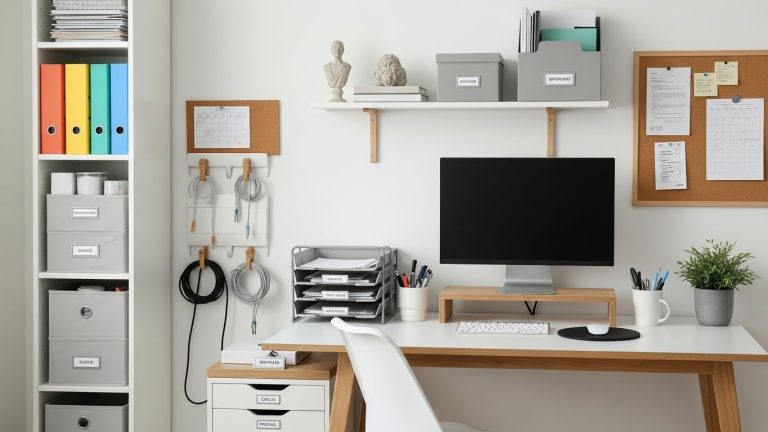
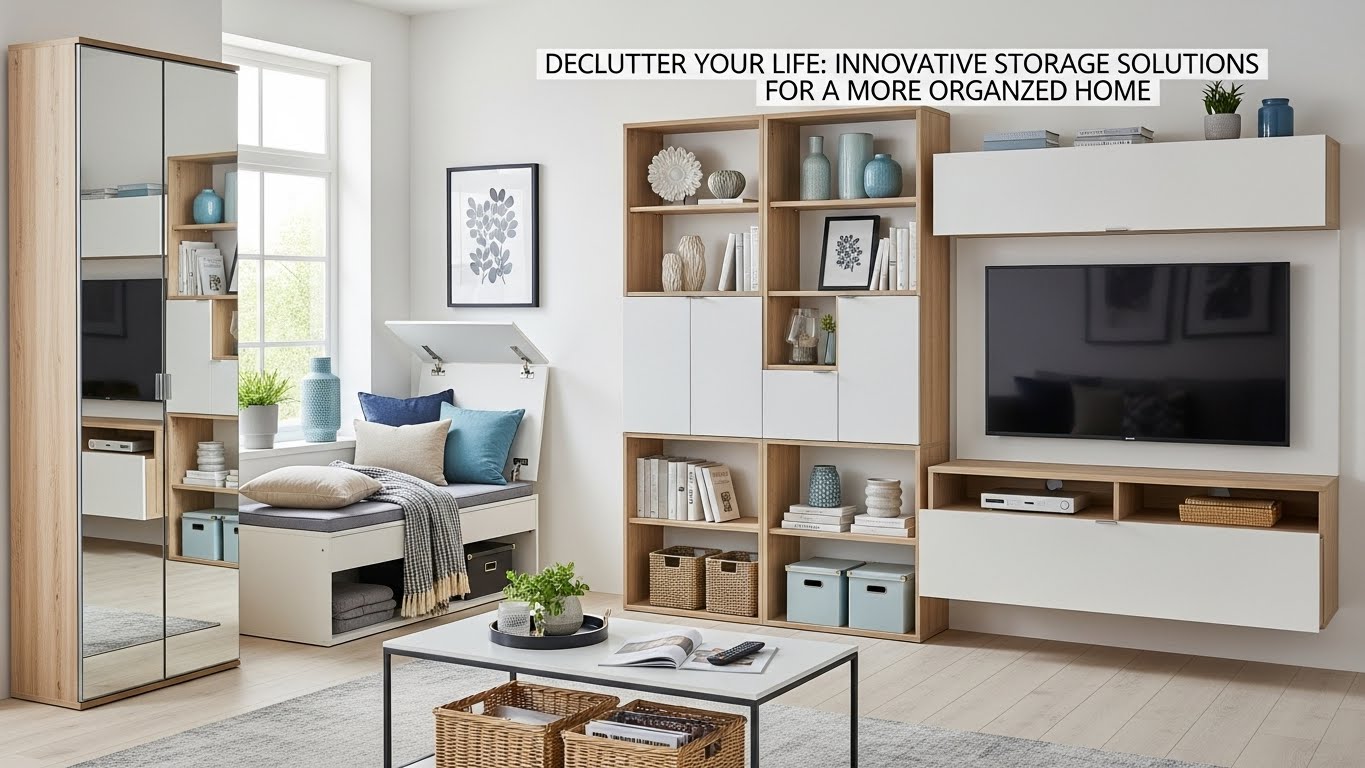
In this context, home optimization is less about luxury and more about practical independence. Simple measures—repositioned furniture to improve cross-ventilation, sealed gaps around windows, and modular storage that keeps seasonal clothing and gear off the floor—translate into real quality-of-life gains during seasonal transitions. The result is a modest but meaningful shift toward resilience, where design choices become practical assurances against weather-driven disruption and mold-related health concerns. These choices also reflect a broader cultural preference for adaptable, multi-use spaces that respond to Brazil’s diverse climates, from coastal heat to interior dryness.
Water, Drainage, and the Quest for Better Living Spaces
Water management sits at the core of resilient home living. households increasingly adopt rainwater harvesting and storage as a buffer against irregular municipal supply and flood events. Simple cisterns or barrels, when properly integrated into garden or patio layouts, reduce vulnerability to drought while easing water bills. Yet uptake hinges on housing type and neighborhood infrastructure. In dense urban cores, drainage capacity often lags during peak rainfall, underscoring the need for permeable surfaces, effective sewage channels, and landscaping that attenuates runoff. Home improvements—such as elevating bathroom floors, installing backflow preventers, and choosing permeability-friendly paving—gain traction as affordable, practical adaptations. The economic case is straightforward: investing in water management can lower long-term costs and protect prized possessions, while also reducing the risk of damp-related health issues in crowded homes.
Moreover, the home becomes a nexus for community-based solutions. Local hardware stores, carpenters, and neighborhood cooperatives collaborate to offer modular kits for drainage improvements and moisture control. This grassroots ecosystem matters because it translates high-level resilience concepts into tangible, affordable options for households with varying income levels. The net effect is a distributed model of adaptation that leverages existing skills and supply chains, rather than waiting for top-down solutions that may take years to reach every block.
Public Policy, Markets, and Community Adaptation
Policy influences on home living in Brazil hinge on building codes, retrofit incentives, and municipal investments in flood and heat mitigation. Where public funding targets drainage, green spaces, and energy efficiency, households respond with updated materials and designs that maximize long-term value. In many markets, retailers and distributors respond to demand for durable, affordable products by expanding ranges of moisture-resistant finishes, climate-adapted furniture, and modular systems that can be reconfigured as family needs shift. The interplay between policy and market signals matters: when incentives align with practical home improvements, families can upgrade without overwhelming debt, and communities can raise the baseline of living standards through shared resources and education about upkeep and preventive maintenance.
At the same time, social equity remains a live concern. Climate resilience should not become a luxury good, especially in informal settlements where space is at a premium and access to reliable services can be uneven. The most effective approaches blend local knowledge with scalable solutions—like community-led workshops on moisture control, or subsidized programs that help households implement drainage and ventilation improvements. Such programs, coupled with robust information campaigns, help ensure that resilience translates into everyday comfort and safety for a broad cross-section of Brazilian families.
Economic Realities and Practical Choices
Budget constraints shape what is possible in home adaptation. Decisions about flooring materials, insulation, and ventilation balance upfront costs with long-term energy savings and health benefits. Durable, moisture-resistant materials can reduce maintenance and mold exposure, while energy-efficient design lowers monthly utility bills in a country with diverse tariff structures. For many households, the most impactful choices are practical rather than premium: prioritizing cross-ventilated layouts, sun-oriented shading, and low-maintenance finishes that stand up to humidity and heat. Financing options—micro-loans, installment plans, or community cooperatives—play a critical role in expanding access to these improvements, enabling families to invest in home resilience without sacrificing essential expenditures on education, health, and food.
Economic dynamics also influence consumer behavior in the home goods market. When local suppliers offer reliable warranties and spare parts, households are more likely to invest in modular, repairable furniture and fixtures. Conversely, low-cost, disposable options can erode long-term resilience by increasing replacement frequency and waste. In this sense, market design—through product durability, availability, and service networks—becomes part of everyday climate adaptation. The practical takeaway is that resilient living is a combination of thoughtful design, steady supply chains, and accessible financing that together sustain a higher baseline of comfort and safety for Brazilian families.
Actionable Takeaways
- Assess flood risk within the home: elevate critical outlets, seal joints, and use moisture-resistant finishes in kitchens, bathrooms, and basements.
- Implement water management basics: install rain barrels or cisterns, maintain clear drainage, and consider permeable paving where appropriate.
- Improve ventilation and climate comfort: arrange furniture to maximize cross-ventilation, add ceiling fans, and use shading strategies to reduce heat gain.
- Choose modular, repairable furniture and storage: prioritize flexibility to adapt spaces as family needs change.
- Explore financing and local incentives: seek micro-loans or community programs that support retrofits with favorable terms and accessible repayment options.
Source Context
Context and related coverage informing this analysis include recent reporting on climate impacts and resilience in Brazil, alongside global perspectives on health and design trends: