Maximizing Small Spaces Home Living Trends For Urban Dwellers
Updated: April 9, 2026
Brazil’s homes are increasingly shaped by climate hazards, health imperatives, and a wave of design-led improvement. In brazil’s Home Living Brazil, families balance rising flood risks, escalating dengue outbreaks, and a growing array of domestic products that fuse practicality with Brazilian aesthetics. This analysis looks at how resilience, health measures, and export-led design shape day-to-day living, offering a practical lens for households, small landlords, and local makers alike.
Climate resilience and home living in Brazil
Brazil’s geographic and climatic diversity means homes must be designed or retrofitted to withstand flood events, heavy rain, and landslides. Coverage of flood-affected zones has underscored the strain on households and the government’s response, with the death toll from landslides reaching about 70 in recent weeks. The moment invites households to rethink core design choices: raised floors for ground-floor homes, flood-guarded door thresholds, and improved drainage around yards. Alongside these physical measures, cities are experimenting with nature-based drainage, permeable pavements, and rainwater harvesting, all of which can reduce risk while supporting everyday living. For families, this translates into practical steps like evaluating property topography, ensuring reliable gutters, and securing off-season storage that protects belongings when storms surge. The policy backdrop—investments in early warning, resilient housing programs, and urban planning—directly affects how feasible and affordable these home-level adaptations are for a wide spectrum of Brazilians.
Beyond individual homes, urban planners and builders are considering neighborhood-scale solutions that blend public infrastructure with private interiors. Retrofitting existing housing stock can be less expensive than new construction, and modular, flood-resilient elements—such as raised electrical outlets, air channels for humidity control, and storm-resistant windows—are becoming more common in middle-income neighborhoods. These shifts create opportunities for local manufacturers to supply durable components that fit Brazilian climate realities, while also encouraging homeowners to prioritize long-term value over short-term aesthetics.
Public health and dengue prevention at home
Public health in the home front remains a central concern as dengue and other vector-borne diseases re-emerge seasonally. Interventions at the household level—eliminating standing water, maintaining screens on windows and doors, and adopting barrier nets for beds—can reduce exposure between rain events. Beyond physical barriers, health authorities are advancing vaccine candidates and community initiatives that could complement at-home measures. A dengue vaccine candidate recently advanced toward approval, signaling a potential shift in protection strategies that households may rely on alongside traditional vector-control practices. For renters or owners, investing in simple, scalable measures—netting, window screening, and outdoor living spaces that minimize mosquito-friendly habitats—offers immediate risk reduction without heavy capital cost. The interplay between public health policy and home design becomes more visible as families seek to align housing improvements with health outcomes.
Communities are also turning to practical routines—weekly sweeps for stagnant water, proper waste management to prevent larval habitats, and landscaping choices that deter breeding grounds—to complement any vaccine strategy. In urban settings, multi-family buildings are increasingly installing shared mosquito-control plans and education campaigns, acknowledging that health at home is as much about collective action as individual upgrades. For Brazil’s households, this means a blended approach: invest in basic barriers now, while watching for public-health innovations that could augment long-term protection.
Design and Brazil’s home living on the global stage
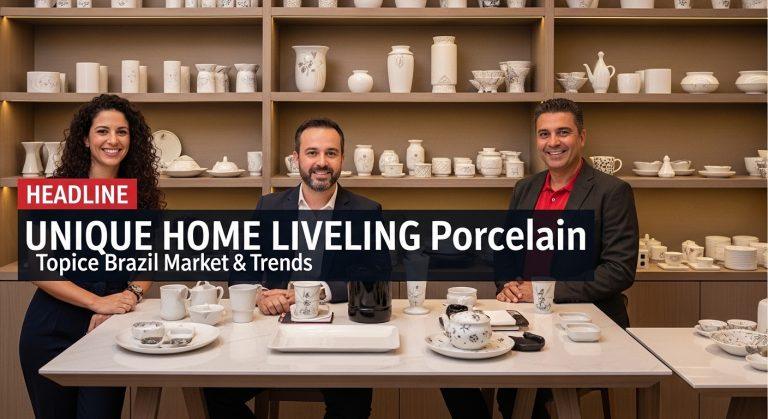
Brazilian design sits at a crossroads of tradition, sustainability, and global demand. A premium Brazilian design brand recently opened its first showroom in Houston, Texas, illustrating how Brazilian interiors—with bright palettes, natural materials, and practical simplicity—are traveling beyond borders. This trend matters for brazil’s Home Living Brazil because it signals that domestic aesthetics can support local makers, export opportunities, and cross-cultural understandings of comfort. For Brazilian households, this means more accessible, well-made products that reflect local climate needs—materials that age gracefully, furniture designed for small urban apartments, and finishes that resist humidity. Designers and manufacturers increasingly collaborate with builders, retailers, and policymakers to bring resilient, stylish, and affordable home solutions to both local and international audiences. The result is a more vibrant domestic market where home improvement is not only a private matter but a conduit for cultural exchange and economic resilience.
As designers push for sustainability—leaning on timber and bamboo, reclaimed metals, and low-VOC finishes—consumers gain access to items that perform in Brazilian homes while appealing to global tastes. The Houston showroom case also highlights the potential for cross-border supply chains that shorten the path from workshop to living room, reducing costs and boosting the visibility of Brazilian innovations in climate-smart interiors. For households, the implication is clear: design becomes a practical ally in resilience, affordability, and personal expression, rather than a luxury corner of the market.
Actionable Takeaways
- Assess flood risk at home and consider elevation, drainage, and water management upgrades that fit budget and local climate.
- Incorporate simple dengue-prevention measures: window and door screens, bed nets in bedrooms, and elimination of stagnant water around the property.
- Evaluate scalable home improvements that blend aesthetics with resilience (cooling, humidity control, durable materials) drawing on Brazilian design principles.
- Support local Brazilian design brands and retailers to strengthen domestic manufacturing and create export-ready products for homes in Brazil and abroad.
- Engage with community programs for urban planning and housing resilience to leverage public investments in climate adaptation.