Roll-out Home Living Brazil: Policy, Market, and Household Impact
Updated: April 9, 2026
As Brazil leans into the roll-out Home Living Brazil, households confront policy changes, shopping behavior shifts, and new design norms that reshape kitchens, bedrooms, and common areas alike.
Context: Brazil’s Home Living Market in Transition
In Brazilian cities, living spaces are increasingly multifunctional. Balconies become micro-lounges; kitchens double as work nooks; and materials that perform in humid climates—durable timber, moisture-resistant laminates, and smart fabrics—are gaining share in mass-market homes. The growth of online shopping accelerates access to international brands and local makers alike, expanding design vocabulary beyond traditional styles. At the same time, households face a tighter cost environment, prompting a push toward versatile furniture that can morph to suit changing family needs. The result is a market where aesthetics meet practicality, and where consumers weigh long-term value against initial price tags. This context matters because the roll-out Home Living Brazil is not just about products; it is about how households reconfigure space to manage time, cost, and comfort in an urban landscape that remains highly diverse in income, climate, and housing stock.
Policy Shifts and Household Adaptation
Policy shifts affecting consumer goods, housing, and digital services influence how households plan, purchase, and use home-living products. Regulatory pushes—such as energy-labeling requirements for appliances, data privacy protections for connected devices, and efforts to promote local manufacturing—alter the calculus of who buys what, when, and where. For Brazilian families, that translates into longer-term budgeting around energy use, resilience against power outages, and preference for durable items that justify higher upfront costs. Retail channels also adapt: manufacturers experiment with showroom formats that blend experiential spaces with online ordering, while small businesses lean on social platforms to reach neighborhoods underserved by large retailers. The roll-out of such policies can be slow and uneven across states, but the trajectory points toward kitchens and living rooms that are both more intelligent and more intentional about resource use. Households, particularly in dense urban centers, develop shopping rituals that emphasize quality over novelty, service over speed, and compatibility with multiple spaces in a single home.
Design Choices and Daily Life: Practical Impacts
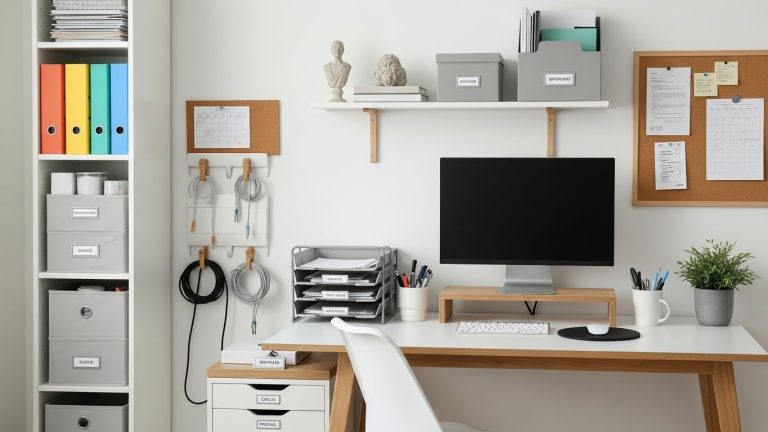
Design choices in Brazil’s homes reflect climate, culture, and housing realities. Urban apartments—often compact—demand furniture that can be repurposed, stored efficiently, and assembled without tools. This trend has accelerated the adoption of modular systems, wall-mounted storage, and furniture that can transform from seating to sleep space. Practically, households now prioritize ventilation strategies that balance air flow with noise reduction, given urban density and traffic. Textiles that resist humidity, finishes with easy cleaning cycles, and surfaces that withstand heat and moisture become everyday considerations for shoppers and designers alike. The kitchen, historically the heart of Brazilian homes, is increasingly segmented into zones for cooking, cleaning, and small-scale work-from-home tasks. Appliances chosen for energy efficiency and reliability help households mitigate monthly expenses, while durable, repairable goods align with longer product lifespans and fewer waste cycles. At the same time, design discourse increasingly embraces biophilic elements, sustainable materials, and local crafts—reflecting a broader desire for homes that feel grounded in regional identity while still connecting to global design language. These shifts are most visible in mid-market segments where households invest in better chairs, smarter lighting, and finishes that simplify maintenance, thereby extending the utility of each square meter. The roll-out Home Living Brazil, thus, translates into tangible daily life changes: kitchens that work harder, living rooms that flex with family routines, and bedrooms that double as study nooks when needed—without sacrificing comfort or safety.
Actionable Takeaways
- For households: audit storage and multi-use spaces, invest in modular furniture, and prioritize energy-efficient appliances and durable finishes to reduce long-term costs.
- For retailers and designers: curate adaptable product lines that suit compact urban living, emphasize after-sales service, and provide clear guidance on assembly and maintenance to support first-time buyers.
- For policymakers: streamline certification processes for home goods, strengthen data privacy protections for smart-home devices, and incentivize local manufacturing to reduce supply-chain disruptions.
- For researchers and planners: track how households alter routines in response to policy shifts, and share findings with manufacturers to guide sustainable product development in Brazil’s diverse regions.
Source Context
These sources provide background on related policy rollouts and market signals that influence the home living sector, illustrating how external developments feed into household decisions.