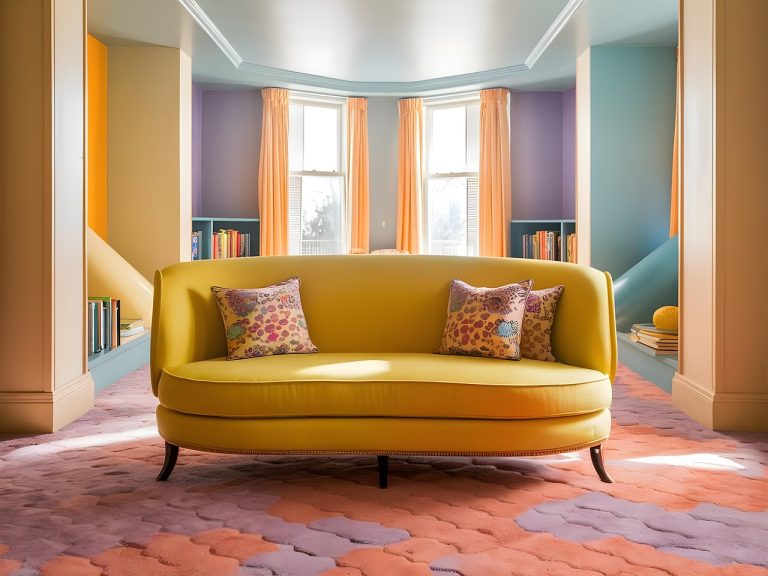
Cozy Brazilian living room prepared for winter with warm textiles and a heater in use.
Updated: April 9, 2026
Across Brazil’s climate spectrum, winter Home Living Brazil is less about frost and more about comfort, energy stewardship, and adaptive routines as households brace for cooler months in the south and occasional cold snaps elsewhere. This analysis considers how families reorganize spaces, select materials, and adjust daily life when the season arrives, revealing a pattern of practical improvisation that blends regional weather with nationwide consumer trends.
Context: Brazil’s winter living landscape
Brazil presents a paradox for winter: while the tropics dominate media narratives, the country’s southern states—Rio Grande do Sul, Santa Catarina, and parts of Paraná—experience distinctly cooler fronts that demand adaptation comparable to temperate climates. In many homes, heating is not a primary installed system; instead, households rely on portable electric heaters, gas stoves, and heat pumps where available. Insulation remains uneven, with older buildings often lacking modern air barriers, yet homeowners increasingly understand drafts and humidity as dual challenges: cold air intrusion and indoor moisture that can promote mold. The result is a practical, bottom-up approach to winter living that emphasizes low-cost fixes and behavioral shifts—curtains thickened at night, rugs placed on tile floors, and a preference for closed doors to preserve warmth. The broader lesson is not just about warmth, but about how families manage risk: higher energy use in the short term, tempered by longer-term improvements that protect health and comfort without destabilizing household budgets.
Seasonal demand also intersects with housing markets and utility pricing. In regions with high electricity tariffs, households weigh the cost of running space heaters against the discomfort of cold rooms, leading to a habit of consolidating activities in a few warm zones rather than heating the entire home. This creates a distribution pattern of space heating that resembles a tiered model: primary living areas receive more consistent warmth, while bedrooms and guest rooms are kept cooler or heated only before sleeping. Even where solar water heating or rooftop panels exist, winter sun angles can limit hot water supply, pushing families to schedule showers and laundry to peak solar hours or to rely on storage solutions. Taken together, these dynamics illustrate a country where winter living is less about uniform climates and more about managing a mosaic of microclimates through practical design and daily routines.
From a policy lens, public interest in energy efficiency is rising, but the uptake varies by neighborhood and income. Local hardware markets reflect a growing demand for door sweeps, weatherstripping, and thermal curtains, while consumer education campaigns increasingly promote moisture control as part of a healthy winter home. The convergence of weather variability, energy costs, and housing stock creates a scenario where small, accessible improvements can yield meaningful benefits for comfort and bills alike—an insight that underpins the practical focus of this analysis on winter Home Living Brazil.
Practical steps to winter-proof homes
Addressing winter conditions in Brazil requires a mix of quick wins and longer-term investments that fit regional realities. The emphasis is on incremental improvements that reduce heat loss, manage humidity, and create comfortable microclimates within the home. The following recommendations are organized to help households prioritize upgrades by cost and impact.
First, seal and secure. Drafts around doors and windows are the most common source of heat loss. Simple weatherstripping, door sweeps, and caulking old frames can dramatically dampen cold intrusion. For renters or temporary homeowners, removable solutions—such as fabric door snakes or magnetic weather seals—offer a reversible path to warmth without structural changes. Second, layer warmth with textiles. Thick curtains, area rugs, and insulating blankets on beds and couches create immediate comfort and can be swapped with seasonal fabrics as the year progresses. Third, optimize heating where available. If portable electric heaters are used, place them in occupied zones and pair them with timers or thermostats to avoid waste. In homes with heat pumps or gas stoves as secondary sources, ensure safe clearance from fabrics and maintain proper ventilation to prevent humidity buildup. Fourth, improve humidity control. Winter humidity often rises from cooking and indoor drying; using exhaust fans, dehumidifiers, or simply venting moisture to outdoors during peak cooking times can prevent mold and promote healthier air. Fifth, rethink kitchen and bathroom water heating. Scheduling hot water use to align with solar exposure or using efficient water heaters can trim energy costs while preserving comfort. Finally, invest in room-by-room zoning. When possible, prioritize climate control for living rooms and bedrooms that see the most use, creating a practical balance between warmth and energy expenditure.
Contextualizing these steps, it is clear that a successful winter strategy blends affordable fixes with sensible usage patterns. The emphasis is on achievable upgrades that respect local building traditions and energy realities. In many households, this translates into a layered approach: durable basics (insulation or curtains) combined with adaptive behavior (closing off unused spaces, using warm meals and beverages, and planning daily routines around outdoor conditions). The result is not showroom warmth but a resilient, comfortable home environment that remains affordable across fluctuating seasonal costs.
Economic considerations and budgeting for the season
Budgeting for winter living in Brazil involves navigating electricity prices, appliance efficiency, and the availability of affordable materials. Electricity tariffs in several regions can swing with demand, encouraging households to adopt energy-saving habits and invest in efficient devices. The payback period for improvements such as better sealing or thermal window treatments is typically shorter than for structural renovations, particularly in homes where heat retention matters more than climate-specific upgrades. Solar potential remains uneven by geography, but even modest solar water heating or rooftop solar investments can gradually reduce dependence on the grid, especially in sun-rich regions. Consumers are increasingly evaluating cost-benefit scenarios: does a higher upfront cost for energy-efficient curtains, door seals, or compact heaters translate into meaningful monthly savings? In many cases, the answer is yes, especially when combined with smarter usage patterns like heating during peak sun hours or consolidating activities in common living spaces. As households adapt, small, visible gains—lowered utility bills, fewer cold days inside, improved air quality—create a feedback loop that reinforces proactive winter living behavior rather than reactive, last-minute changes.
Policy and market dynamics also shape these choices. When digital or regulatory changes alter the hotel and service sectors, as seen in related policy rollouts, families may reassess travel plans and, by extension, seasonal spending on accommodations and home goods. The broader implication for domestic winter living is that consumer confidence and discretionary spending can be sensitive to policy uncertainty, underscoring the value of transparent information and predictable utility pricing for households planning mid- to long-term improvements.
Cultural rhythms and seasonal routines
Brazilian winter life often centers on social warmth and shared meals. As days shorten, families tend toward routines that emphasize connection and comfort: simmering soups and stews, hot beverages, and longer evenings near a fireside or heater. These cultural practices influence how homes are used during the season. Spaces that encourage conversation and gathering—living rooms with adequate seating and a comfortable temperature gradient—become focal points. The seasonal shift also prompts practical habits: planning laundry and dishwashing around solar or off-peak hours, selecting fabrics that balance warmth with breathability, and prioritizing sleep arrangements that align with warmer room temperatures. In rural and peri-urban settings, cooking and heating may rely on local fuel sources, reinforcing the importance of safe, efficient appliances and clear ventilation. Across regions, the shared objective remains the same: maintain a cozy, healthy living environment while keeping expenses predictable in a climate that can oscillate between mild and brisk with little warning. This blend of tradition and pragmatism makes winter living in Brazil a study in adaptive household design rather than a single, uniform blueprint.
Actionable Takeaways
- Start with low-cost drafts: seal gaps around doors and windows before investing in bigger upgrades.
- Prioritize warm zones: focus heating efforts on living rooms and primary bedrooms used most by your household.
- Layer textiles for comfort: curtains, rugs, and layered bedding offer instant warmth without high energy use.
- Manage humidity proactively: use exhaust fans during cooking and ventilate to prevent mold growth.
- Plan energy budgets seasonally: compare usage patterns, set timers, and consider solar options where feasible.
Source Context