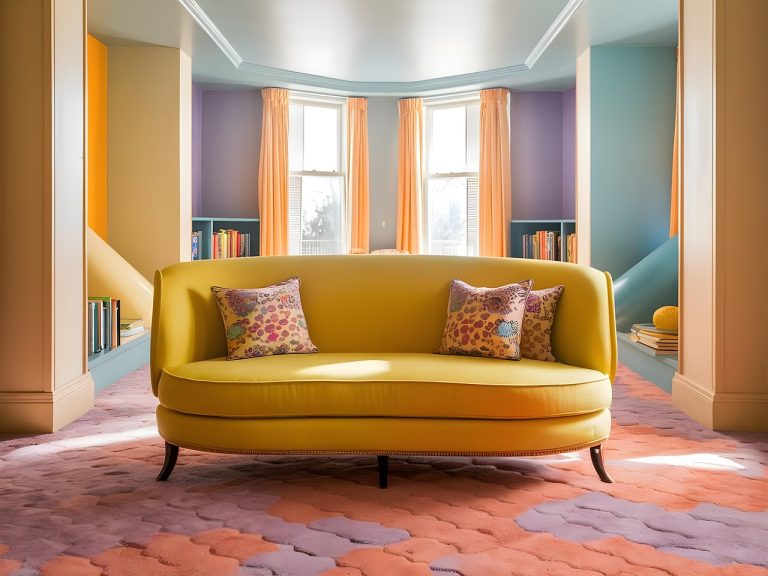
Brazilian home living space with indoor-outdoor flow and plants.
Updated: April 9, 2026
Brazilian homes rarely exist in isolation from climate, city life, and family routines. Across apartment blocks and compact casas, households adapt with ventilation, shade, and social spaces that reflect the country’s tempo and values. This analysis for livewellbrazil.com examines how these forces shape home living in Brazil—and what practices readers can adopt to improve daily comfort, durability, and cost efficiency in a way that feels Home Living Brazil.
Urban climate, housing styles, and the daily rhythm
Daily life in Brazilian homes is shaped by heat, humidity, and air quality. In coastal cities, cross-ventilation and shaded terraces are as important as air conditioning, while in regional interior towns, high ceilings, thick walls, and timber screens help manage temperature. Public plazas and building courtyards foster informal social spaces, reinforcing a culture of gathering that influences interior design choices: the kitchen becomes a social hub, bathrooms are compact but well-ventilated, and storage emphasizes accessibility. These patterns are not merely aesthetic; they affect energy use, maintenance cycles, and resilience during seasonal stresses. As cities grow and housing becomes denser, households increasingly rely on scalable strategies—modular furniture, adaptable rooms, and flexible outdoor areas—that can be adjusted as family needs shift. If urban planners push for cooler microclimates through shade trees, reflective surfaces, and pedestrian-friendly streets, the domestic environment benefits as a downstream effect, lowering cooling costs and improving comfort across neighborhoods.
Design habits that align with Brazilian life
Design decisions in Brazilian homes often prioritize social life and outdoor contact with nature. Rooms are defined by function yet expected to flow: the dining area may spill onto a balcony or varanda, and a compact kitchen is outfitted with durable tile floors, robust countertops, and easy-clean surfaces. Indoor-outdoor living becomes a standard rather than an exception, with plants and water features bridging inside and outside spaces. Materials are chosen for humidity resistance and longevity: ceramic tiles, lime plaster, and treated wood hold up to rain and heat while offering tactile warmth. Color palettes lean toward vibrant textiles and warm neutrals that hide wear between cleanings, while window screens and ceiling fans offer affordable ventilation. In families that value hosting, seating configurations emphasize conversation and mobility—think modular sofas and movable shelves that transform spaces for kids’ play, guests’ gatherings, or quiet work. These choices are not purely fashionable; they reflect a practical logic that keeps homes comfortable without depending on energy-intensive cooling.
Economics and resilience: budgeting for comfort
Brazilian households balance comfort with cost, navigating energy bills, water usage, and the upfront price of durable goods. The most cost-effective approach combines low-energy appliances, efficient lighting, and habits that reduce waste: shading devices, natural ventilation, and careful scheduling of laundry and dishwashing to off-peak hours. For regions with high solar potential, rooftop panels can cut electricity costs and add resilience during outages, though upfront financing and maintenance must be factored in. Durable materials pay for themselves over time by withstanding humidity and heavy use, reducing repair cycles and replacements. Regional price differences influence what improvements are practical: a coastal apartment may justify upgraded HVAC components and fans, while a rural home might benefit more from water-saving fixtures and rainwater capture. Ultimately, resilient home living in Brazil means building flexibility into budgets—planning for unexpected repairs, seasonal shifts, and the possibility of longer durations at home due to work or school demands.
Actionable Takeaways
- Prioritize natural ventilation and shading in new and updated spaces to reduce cooling needs.
- Choose durable, humidity-resistant materials like ceramic tiles and lime plaster for long-term value.
- Invest in energy-efficient appliances and LED lighting to lower monthly costs and emissions.
- Explore solar options where feasible and review local incentives or financing programs.
- Design multifunctional spaces that adapt to family routines, guests, and remote work.
- Support local suppliers and artisans to boost regional resilience and reduce supply-chain risk.
Source Context
Background resources that informed this analysis and provide practical avenues for readers to explore further.