Whisk_bb5b3122c0a30758a3247ec6255b9006dr
Updated: April 9, 2026
Maximizing Small Spaces: Home Living Trends for Urban Dwellers
In bustling urban environments, space is becoming a rare commodity. As cities grow, the demand for housing increases, often leading to smaller living spaces. However, small doesn’t have to mean cramped or uncomfortable. With innovative design solutions and smart planning, you can transform your compact living area into a stylish and efficient home. This comprehensive guide explores the latest home living trends designed to maximize small spaces, perfect for urban dwellers seeking to make the most of their square footage.
Embracing Minimalism
One of the most effective ways to maximize a small space is by adopting minimalism. This design philosophy emphasizes simplicity and functionality, reducing clutter and focusing on essential items. By keeping decor simple and sticking to a neutral color palette, you can create an airy and open atmosphere.
Consider incorporating multi-functional furniture that serves more than one purpose. For example, a sofa bed can provide seating during the day and transform into a bed at night. Nesting tables and foldable chairs can also be tucked away when not in use, freeing up valuable floor space.
Vertical Space Utilization
When floor space is limited, the only way to go is up. Utilizing vertical space is a key trend in maximizing small living areas. Wall-mounted shelves and cabinets can provide much-needed storage without taking up precious floor area. Consider extending your storage solutions all the way to the ceiling to fully capitalize on available space.
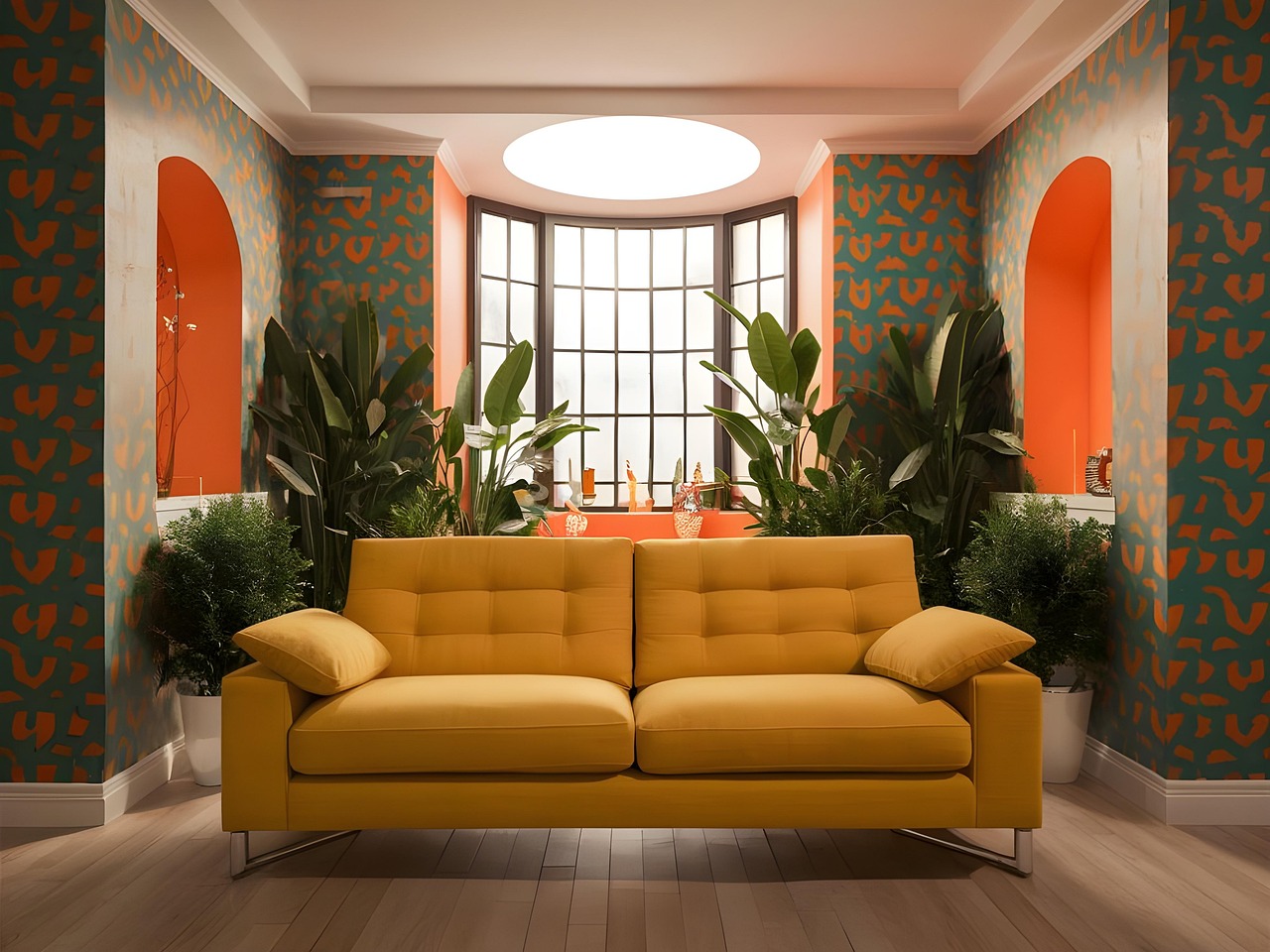
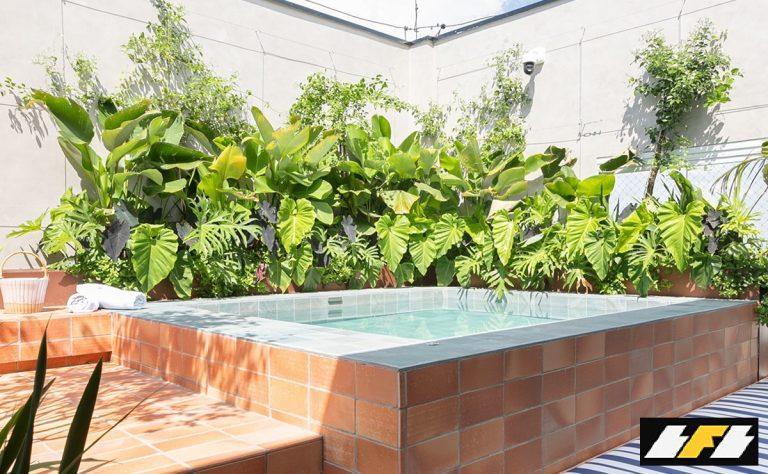
Additionally, vertical gardens are becoming increasingly popular. They offer a way to bring greenery into a home without occupying horizontal surfaces. These lush installations can improve air quality and create a refreshing ambiance.
Open Plan Design
Open plan living is another trend that helps maximize small spaces. By eliminating unnecessary walls and doors, you can create a sense of flow and continuity throughout your home. This approach not only makes a space feel larger but also allows for more natural light to permeate your living area.
Incorporating an open kitchen with a breakfast bar or island can provide a seamless transition between cooking and dining spaces. This setup encourages social interaction and aligns with the modern lifestyle of urban dwellers.
Smart Storage Solutions
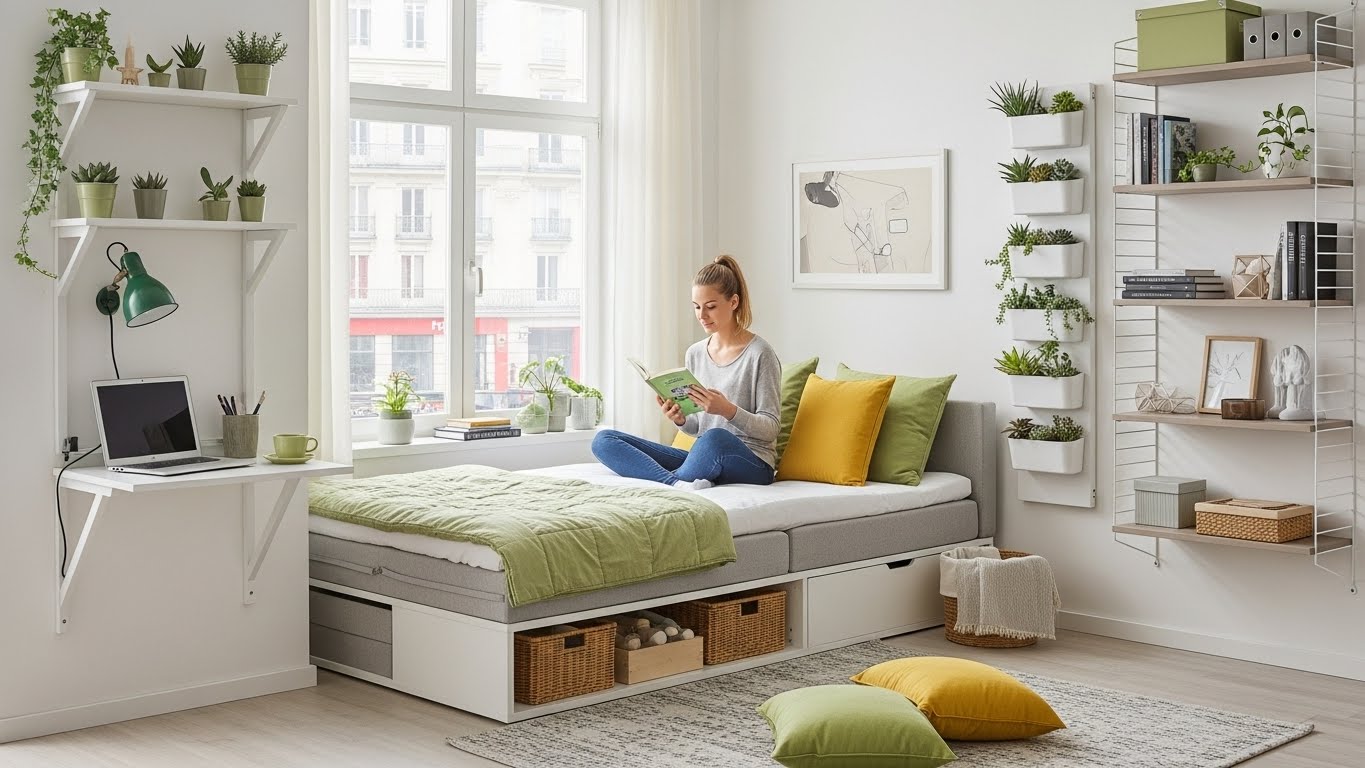
Storage is often a challenge in small homes, but innovative solutions are emerging to address this issue. Built-in storage units, such as under-bed drawers or staircases with hidden compartments, can effectively utilize otherwise wasted space. These solutions help keep your home organized and clutter-free.
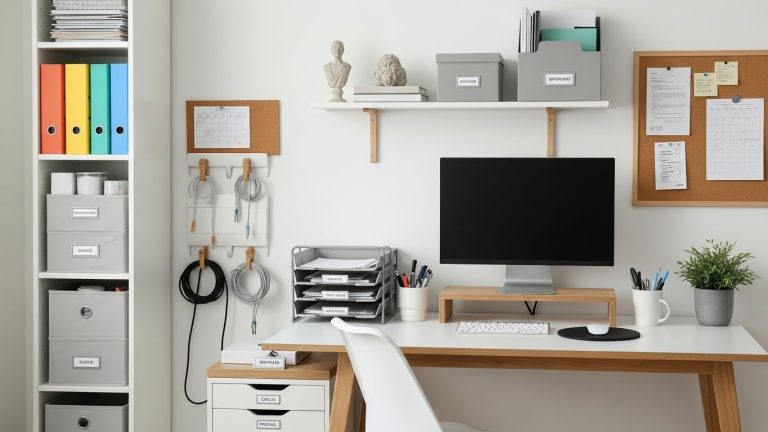
For those who need additional storage options, consider using floating shelves. These can be installed in any room and provide a stylish way to display books, art, or decorative items. Pegboards are another versatile option, offering customizable storage for kitchens, bathrooms, and workspaces.
Lighting Techniques
Lighting plays a crucial role in making a small space feel larger and more inviting. Natural light is ideal, so maximize your windows by avoiding heavy drapes or blinds. Instead, opt for sheer curtains that allow sunlight to filter through while maintaining privacy.
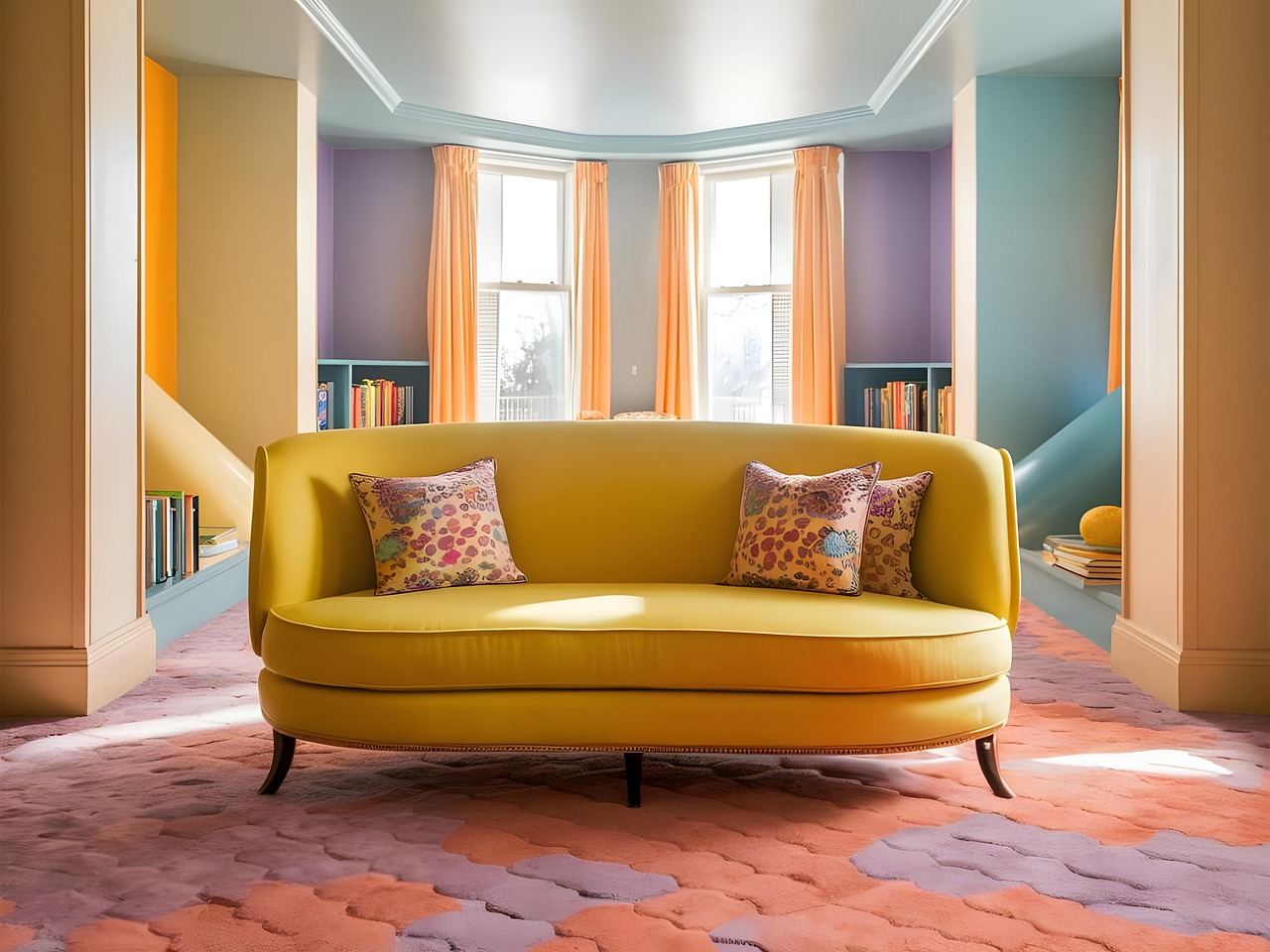
For artificial lighting, layer different types of lighting to create depth and warmth. Combine overhead lighting with task lights and ambient fixtures to enhance the overall mood of your space. Mirrors can also be strategically placed to reflect light and create the illusion of a larger area.
Color and Texture
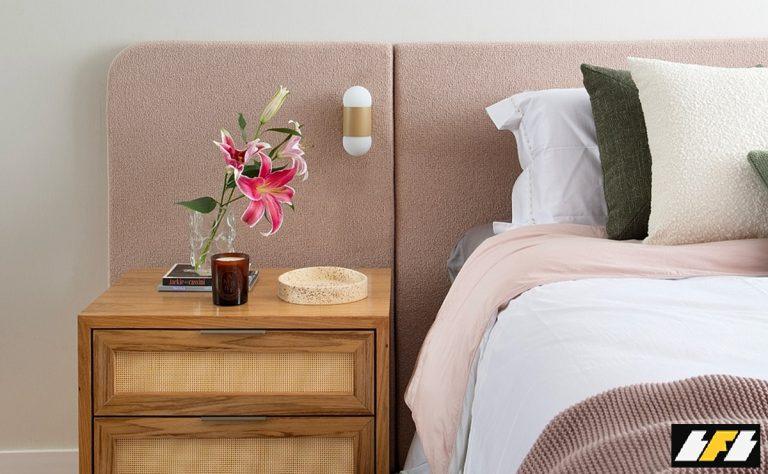
The right color and texture can transform a small space into a cozy retreat. Light colors, such as whites, pastels, and soft neutrals, can make a room feel more expansive. However, don’t be afraid to use bold colors as accents to add personality and interest.
Textures also play a vital role in design. Incorporating a mix of materials, such as wood, metal, and textiles, can add depth and dimension to a room. Consider using rugs, cushions, and throws to introduce texture and comfort.
Innovative Technology
Technology continues to revolutionize home living, with smart solutions making it easier to manage small spaces. Smart home devices, like automated lighting and thermostats, can adjust settings to optimize energy efficiency and comfort.
Compact appliances, such as combination washer-dryers or slimline dishwashers, are designed specifically for small spaces. These appliances offer the same functionality as their larger counterparts without occupying excessive space.
Customizable Furniture
Customizable furniture is a growing trend in small space living. Modular pieces allow you to adapt your furniture to suit your needs, whether it’s a sectional sofa that can be rearranged or a dining table that extends for guests. This flexibility ensures that your home remains functional and adaptable to changes in lifestyle.

Another example is the Murphy bed, which can be folded up against the wall when not in use, freeing up space for other activities during the day. These space-saving solutions are ideal for urban dwellers with limited square footage.
Takeaways
Maximizing small spaces requires a blend of creativity, practicality, and innovation. By embracing trends like minimalism, vertical storage, and open plan design, urban dwellers can create efficient and stylish living environments. Smart storage solutions, effective lighting, and the use of color and texture further enhance these compact homes.
With the right approach, small spaces can offer a unique charm and convenience that larger homes may lack. By staying informed about the latest trends in home living, you can ensure that your urban dwelling remains both functional and fashionable.
Ultimately, the key to maximizing small spaces lies in thoughtful design and adaptability, allowing you to create a home that reflects your personality and meets your everyday needs.
Multi-Purpose Rooms
In small urban homes, each room often needs to serve multiple functions. This is where the concept of multi-purpose rooms comes into play. For instance, a bedroom can double as a home office or a workout space with the help of foldable desks and compact exercise equipment. Using sliding doors or curtains to section off areas can provide privacy when needed and open up the space when not in use.
Similarly, a living room can transform into a guest room with the use of a sofa bed or a daybed. By carefully selecting furniture that supports various activities, you can make the most out of each room in your home.
Personalization and Decor
While functionality is crucial, personalization should not be overlooked. Personal touches can transform a small space into a home that reflects your tastes and lifestyle. Use wall art, photographs, or travel souvenirs to add character without overwhelming the space.
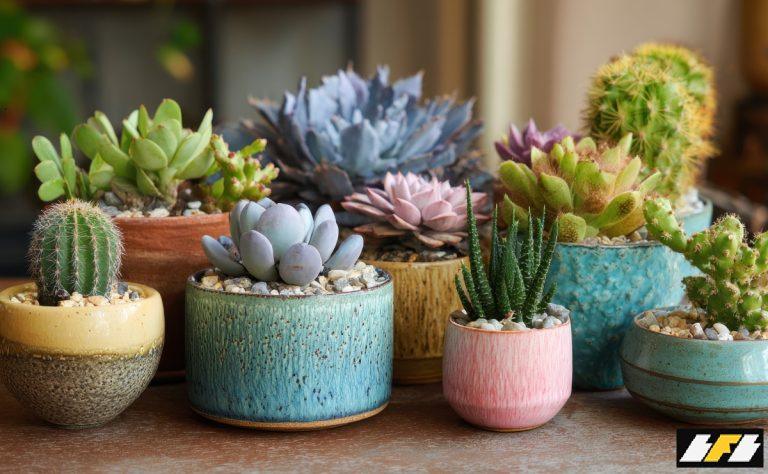
Consider using a theme or color scheme to create a cohesive look throughout your home. This can help tie different areas together and make the space feel unified. Don’t forget about the power of plants; they can add life and vibrancy while also improving indoor air quality.
Community Living and Shared Spaces
Another trend gaining popularity among urban dwellers is community living. This involves sharing common spaces, such as kitchens, gardens, and laundry facilities, with neighbors. By pooling resources, residents can enjoy amenities that might be too costly or impractical in a single, small apartment.
Community living not only maximizes available space but also fosters social connections and a sense of belonging. It’s an ideal solution for those who value both privacy in their personal living area and social interaction within a communal setting.
Environmental Considerations
As awareness of environmental issues grows, many urban dwellers are seeking ways to make their small spaces more sustainable. This can involve incorporating energy-efficient appliances, using eco-friendly materials, or installing water-saving fixtures. Solar panels and rainwater collection systems are also becoming more common in urban settings.
Moreover, reducing waste and recycling play a significant role in sustainable living. Opt for materials and products that are recyclable or biodegradable, and consider upcycling old furniture or decor to give them a new lease on life.
Professional Help and Resources
Sometimes, enlisting the help of professionals can make a significant difference in maximizing the potential of a small space. Interior designers and architects can provide valuable insights and innovative solutions tailored to your specific needs.
There are also numerous online resources and communities dedicated to small space living. Websites like HGTV and forums allow you to connect with others, share ideas, and find inspiration for your own home.
Final Thoughts
Living in a small space in a bustling city doesn’t mean sacrificing comfort or style. By embracing the latest trends and employing creative solutions, urban dwellers can create homes that are both functional and aesthetically pleasing. From minimalist designs and smart storage solutions to multi-purpose rooms and community living, the possibilities for maximizing small spaces are almost endless.
As urbanization continues to rise, these strategies will become increasingly important for those seeking to maintain a high quality of life in limited square footage. By staying informed and open to innovation, you can ensure that your small space feels just as expansive and welcoming as a larger home.
Remember, the key to successful small space living lies in adaptability and creativity. With these tools at your disposal, any compact living area can become a vibrant, personalized sanctuary in the heart of the city.