Flooded street in southeast Brazil with residents assessing water-damaged home exterior after heavy rains.
Updated: April 9, 2026
In real Home Living Brazil, the home is more than a shelter; it is a stage where family life, routine, and cultural identity converge around shared spaces and everyday rituals. As Brazil navigates rapid urbanization, the way households arrange living rooms, kitchens, and balconies reveals much about resilience, social norms, and practical budgets. The room where a family gathers for a game, a meal, or a late-night chat becomes a focal point for instruction in time management, hospitality, and sustainability.
Redefining the Living Room: Multipurpose Spaces in Brazilian Homes
Across Brazilian cities, living rooms are increasingly designed as flexible hubs rather than fixed compartments. Sofas, modular seating, and coffee tables are chosen for adaptability, enabling a quick reconfiguration for work-from-home days, school projects, or a family screening of a favorite show. The idea is to maximize usage without sacrificing comfort, so storage walls double as display shelves and seating includes ottomans that can be moved to accommodate guests. In warmer seasons, many households extend the indoor-outdoor relationship by opening windows to balcony spaces, creating cross-ventilation and a sense of roominess even in smaller apartments.
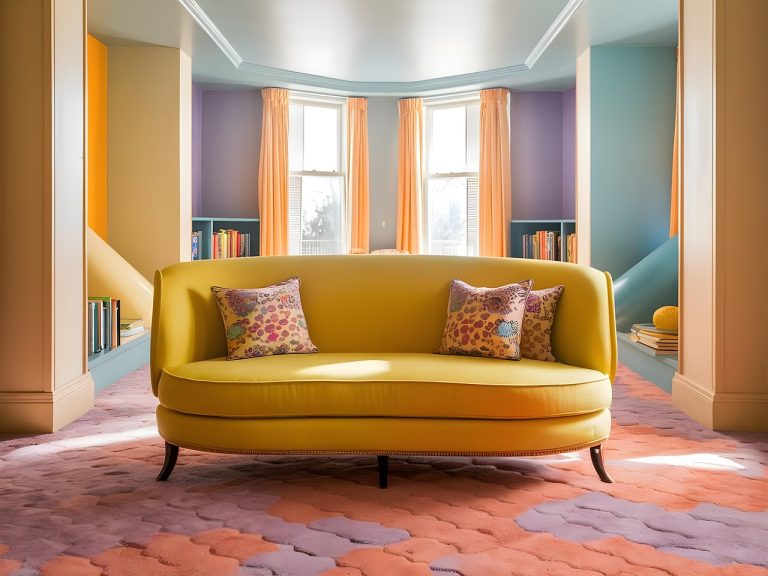
Material choices reflect practicality and climate. Light woods, breathable fabrics, and durable laminates balance price with longevity, while area rugs provide softness and warmth on tile floors. The result is a living room that leans toward function but remains expressive—a subtle nod to Brazil’s vibrant design culture and its penchant for color and texture that energize daily life.
Design Trends Rooted in Climate and Culture
Brazilian interior design often harmonizes with the country’s climate and social habits. Natural materials such as cork, rattan, and bamboo appear in furniture and decorative accents, bringing tactile warmth to cool evenings. Palettes favor earthy neutrals punctuated by saturated blues, yellows, or greens that echo tropical landscapes and urban murals alike. Balconies and compact gardens are increasingly treated as extensions of the living space, supporting herbs, small trees, and seating nooks that invite a moment of calm amid a bustling day.
Another trend is the prioritization of energy efficiency, especially in dense urban blocks where last-mile electricity costs and heat gain influence daily comfort. Simple upgrades—LED lighting, strategic window treatments, and smart plugs to manage climate devices—are within reach for many families and can yield noticeable savings over time without sacrificing ambiance.
What National News Means for Home Routines
National and international sports news—such as reports about Rodrygo’s knee injury and its implications for Brazil’s World Cup ambitions—tends to ripple through household rhythms. Even when families gather for a game or later watch a recap, the dwelling becomes a social annex: the TV is the magnet for conversation, snacks and beverages are laid out on a central console, and the seating layout adapts to accommodate guests. In this context, the home becomes a venue where storytelling, memory, and collective mood are negotiated in real time.
Beyond the emotional cadence, households adjust practical elements: softer lighting for late-night broadcasts, sound management to protect neighbors, and an emphasis on durable, easy-to-clean surfaces that can handle popcorn, sauces, and spills without worry. The pattern reveals a broader logic of real Home Living Brazil: homes are not just private spaces but social nodes that absorb and reflect the rhythms of public life, especially in a country where family and sport share a prominent cultural stage.
Future Scenarios: How Real Home Living Brazil Will Evolve
Looking ahead, the Brazilian home is likely to continue blending flexibility with resilience. Remote work and hybrid schooling push the living room toward greater versatility, with more households investing in modular furniture and smart home accessories that adapt to changing routines. The design vocabulary may lean toward sustainable materials, tighter insulation, and smarter climate control to cope with climate variability and rising energy costs.
Policy, market dynamics, and urban planning will shape affordability and access to quality home environments. For readers, practical steps include adopting space-saving arrangements, choosing durable textiles, and prioritizing energy-positive lighting and ventilation. The aim is not a single style but a durable approach—one that accommodates family life, work, and cultural rituals while keeping costs manageable.
Actionable Takeaways
- Design multipurpose spaces: arrange furniture to switch quickly between work, study, and social viewing without sacrificing comfort.
- Prioritize energy efficiency: use LED lighting, efficient fans or AC, and smart plugs to manage devices and reduce utility bills.
- Invest in flexible seating: modular sofas and mobile ottomans support varying group sizes during game nights or gatherings.
- Create a simple digital hub: ensure reliable connectivity and a dedicated spot for streaming or virtual meetings.
- Incorporate durable, easy-clean finishes: choose materials that tolerate spills and heavy use in busy homes.
- Plan for seasonal living: balance indoor and outdoor spaces (balconies, patios) to extend usable areas year-round.
Source Context
Note: This article draws on broader reporting about sports events that influence domestic life, including the sources listed above, to illustrate how real Home Living Brazil is lived in homes across the country.
Actionable Takeaways
- Track official updates and trusted local reporting.
- Compare at least two independent sources before sharing claims.
- Review short-term risk, opportunity, and timing before acting.