Brazil’s Home Living Brazil: Climate, Design and Daily Habits
Updated: April 9, 2026
brazil’s Home Living Brazil examines how households in a climate of heavy rainfall and heat are rethinking every corner of the home, from layout to materials and daily routines. This analysis treats the home as an adaptive system—not just a sanctuary of comfort but a workshop for resilience. In cities across Brazil, families balance urban density, budget constraints, and cultural preferences as they pursue spaces that stay cool, dry, and usable year-round. The aim is practical insight: what can readers do today to make homes safer, more comfortable, and less wasteful while maintaining style?
Rethinking Space: Layouts for Resilience
Across Brazilian homes, space is increasingly treated as a flexible resource. Designers emphasize modular layouts, sliding partitions, and multipurpose rooms that can adapt to weather shifts or family needs. Balconies and patios frequently become usable outdoor rooms, buffered by eaves or pergolas to reduce heat gain while expanding living areas. In rain-prone regions, entryways and storage areas are reimagined with better drainage and raised thresholds to minimize water intrusion. Such decisions are not cosmetic; they are driven by a causal link between climate exposure and everyday shelter. When floors, walls, and entries are designed with water, humidity, and sun in mind, homes stay livable even during extreme weather events.
Materials, Humidity, and Durability
Humidity, heat, and pests shape material choices in Brazil. Breathable ceramic tiles, lime-based plasters, and ventilated façades help control mold and temperature, while durable woods and powder-coated metals tolerate humidity without rapid deterioration. Local knowledge about termite resistance remains essential for furniture and cabinetry. Consumers increasingly favor materials that age gracefully, are easy to maintain, and align with sustainability goals. The trend favors surfaces that can withstand frequent cleaning and exposure to rain or sea air in coastal cities, rather than quick-to-wear finishes that demand constant replacement. In this context, a practical approach to interior finishes often beats chasing trendy exotic materials that don’t perform well in Brazil’s climate.
Design, Brands, and Global Flows
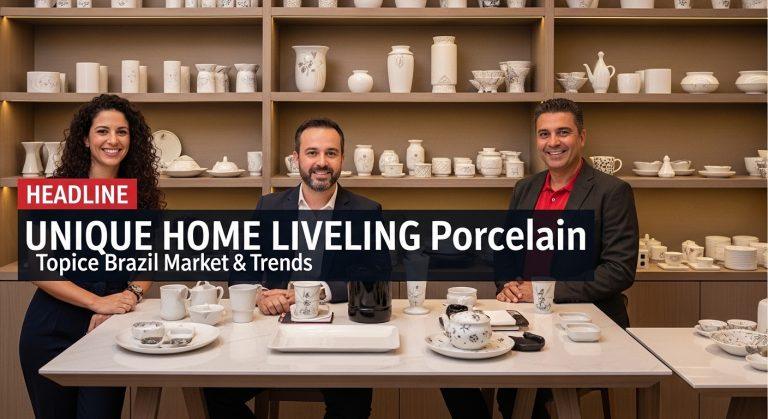
Brazilian design is increasingly part of a global conversation. Premium Brazilian design brands are expanding into international markets, signaling a broader appetite for Brazilian craft and integrated home systems—lighting, textiles, and storage as a cohesive design language. This cross-border interest influences domestic choices by elevating the expectation that furniture and fixtures are durable, serviceable, and adaptable to varied climates. A recent example in design discourse shows how a premium Brazilian house brand opening a showroom in Texas reflects the export of climate-aware design sensibilities. Yet Brazilian buyers still prioritize local aftercare, availability of parts, and responsive service as part of the value equation, ensuring that global trends translate into practical, long-lasting domestic solutions.
Community and Policy: Building Resilience
Resilience extends beyond individual homes into neighborhoods and municipalities. Flood-prone areas increasingly rely on improved drainage, green corridors, and community shelters. For households, this translates into proactive routines: documenting evacuation plans, maintaining emergency supplies, and coordinating with local programs that encourage climate-smart renovations. When city infrastructure supports resilience, households feel more confident upgrading retrofits—such as better insulation, energy-efficient appliances, and water-saving fixtures—without sacrificing access to comfort or aesthetics. The balance of policy and practice is essential: resilient housing is as much about community systems as it is about the design of a single dwelling.
Actionable Takeaways
- Inspect and improve drainage around the foundation; seal foundations and basements; keep gutters clear to prevent water intrusion.
- Prioritize cross-ventilation and shade: install operable windows, ceiling fans, and shaded outdoor spaces to reduce reliance on air conditioning.
- Invest in water management: install rain barrels, low-flow fixtures, and energy-efficient appliances to curb consumption.
- Choose durable, humidity-tolerant materials: ceramic tile, concrete, and treated wood perform well in Brazilian climates and are easier to maintain.
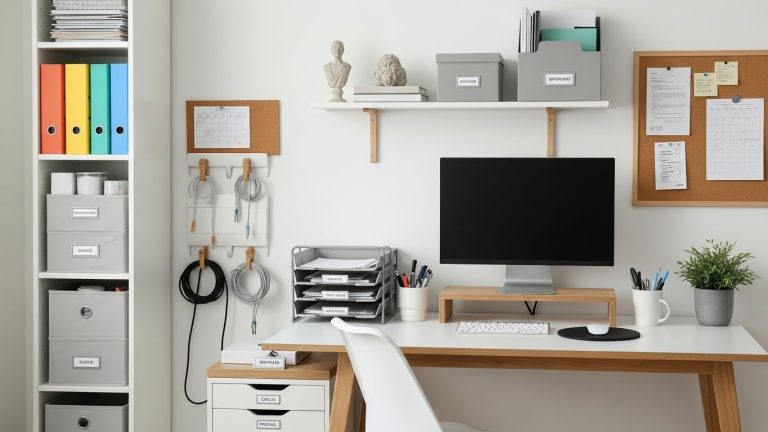
- Use modular, multi-use furniture to maximize small spaces and adapt rooms for different seasons or needs.
- Plan for energy efficiency: LED lighting, proper insulation, and solar-ready design can lower bills and improve comfort year-round.