Interior of a flooded Brazilian home with belongings moved to higher shelves and family members arranging essentials.
Updated: April 9, 2026
In Brazil’s rapidly evolving urban households, the way people live, conserve, and design spaces is shifting in measurable ways. This analysis for brazilians Home Living Brazil examines how households balance cost, climate, and comfort, translating macro trends into practical daily choices for readers across Brazil.
Rethinking Space and Multitasking Rooms
Across major cities, housing remains scarce and expensive, pushing families to maximize every square meter. Open-plan designs, movable walls, and modular furniture let a single living area flex between kitchen, work, and leisure. For many Brazilians, the kitchen is the family hub, the balcony doubles as a greenhouse for herbs, and storage is a premium commodity. Designers emphasize durable finishes, easy-to-clean textures, and light colors that reflect heat while preserving a sense of airiness. The broader implication is a shift from fixed, single-purpose rooms to adaptable zones that preserve comfort even when budgets tighten.
Climate plays a central role. Brazil’s varied weather means strategies must address heat, humidity, and seasonal rain. Passive cooling—through cross-ventilation, shaded windows, and overhangs—reduces reliance on air conditioning and lowers bills. Furniture and decor are chosen for both aesthetics and utility: fold-away desks, bed frames with built-in storage, and wall-mounted shelves that free floor space for movement. The upshot is a design philosophy that prioritizes resilience and flexibility, not ostentation.
Energy, Water, and Budget: The Practical Triangle
Home energy costs loom large in Brazil, where volatile electricity prices push households to rethink consumption. Rooftop solar is expanding, supported by favorable solar irradiance in many regions and growing installer networks. The practical choice often begins with small upgrades: efficient lighting, smart plugs, and second-stage insulation that reduces cooling loads. Where feasible, residents install solar panels with simple net-metering arrangements, accelerating payback and turning roofs into productive resources. Yet adoption remains uneven, limited by upfront costs, lease terms, or landlords’ permission in rental properties.
Water use and waste are other critical levers. Rainfall patterns vary by region, but municipal systems can be stressed during dry seasons. Rain barrels and greywater reuse for non-potable tasks help households stretch scarce resources. Practical budgeting guides stress tiered improvements: start with no- or low-cost steps, then scale up as savings accumulate. The result is a household that maintains comfort while pursuing a prudent financial plan, not a reckless upgrade spree.
Community and Craft: Local Solutions and Online Trade
Brazil’s home-living ecosystem thrives on local markets, family workshops, and online exchanges. Neighborhoods swap tips on durable, affordable materials; carpenters craft modular storage to fit irregular spaces; and second-hand shops offer furniture with character at accessible prices. This local logic complements national brands, giving households options that balance aesthetics with affordability. The social fabric matters: recommendations from neighbors and trusted vendors reduce uncertainty when choosing finishes, appliances, or fixtures. For many Brazilians, community becomes a resource for sustainable home living, not a constraint on style.
Online platforms—marketplaces, social networks, and specialty shops—accelerate access to product bundles that fit small spaces. Consumers increasingly search for modular, easy-to-install items and energy-conscious devices that align with a domestic budget. The intersection of offline crafts and online convenience creates a hybrid marketplace that supports durable design, local jobs, and reduced transport emissions. The result is a more resilient home ecosystem that grows with a family’s needs rather than forcing costly upgrades.
Adaptation Through Technology and Policy
Technology is shifting from novelty to necessity in the Brazilian home. Smart plugs, energy monitors, and smartphone apps let households track consumption, identify leaks, and optimize cooling. When paired with user-friendly dashboards, these tools demystify energy use and enable small, consistent improvements. For many families, a few guided adjustments can yield meaningful savings without compromising comfort. Policy signals—from incentives for solar retrofits to streamlined permitting—shape how quickly households adopt these tools. In regions where support is strong, the combined effect can transform the home into an adaptive system that responds to weather, price signals, and daily routines.
Looking ahead, scenario framing helps households prepare for varied futures. In a scenario of persistent price volatility, households double down on efficiency and autonomy, installing larger solar arrays and battery storage where feasible. In a complementary scenario with stable prices, incremental upgrades, maintenance, and durability become the core strategy. The common thread is anticipation: households that plan, monitor, and adapt are better positioned to weather economic shifts while preserving living standards.
Actionable Takeaways
- Audit energy and water use to identify high-impact savings in the next 90 days.
- Prioritize passive cooling and insulation before costly climate-control systems.
- Start with small, scalable upgrades (LED lighting, smart plugs, leak checks) and expand as savings accrue.
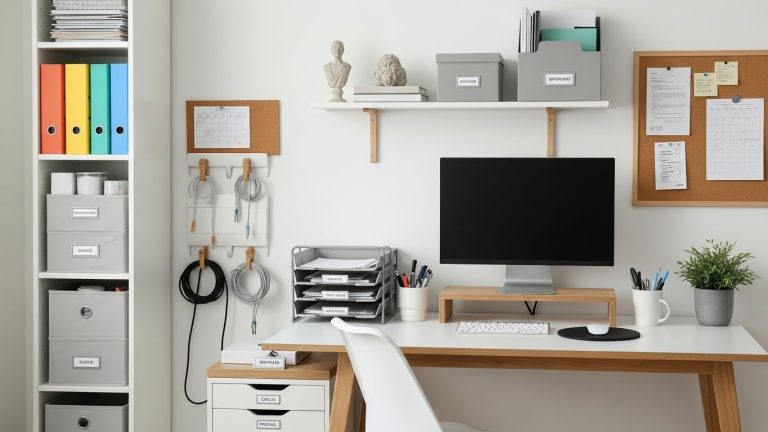
- Choose modular, space-saving furniture to maximize smaller Brazilian homes.
- Support local craftsmen and marketplaces to access durable, affordable, and region-appropriate products.
- Track expenses with a home budget that includes unexpected maintenance and seasonal needs.
Source Context
- Payday Report: Brazilians watching ICE news (source context summarizing how global political events capture attention abroad).
- Winter Olympics 2026 coverage (context on global events shaping consumer sentiment and leisure routines).
- DAZN: Brazil vs. Venezuela streaming and consumer habits (illustrating how media access affects home entertainment choices).