Flooded Brazilian living space with elevated storage and protective design features.
Updated: April 9, 2026
From urban apartments in São Paulo to compact homes in the northeast, the former Home Living Brazil footprint continues to influence how Brazilians design, organize, and maintain spaces that feel both comfortable and practical. This analysis explores how that legacy shapes today’s home living decisions, with attention to cost, climate, and changing rhythms of everyday life across the country.
Market Context and Trend Pulse
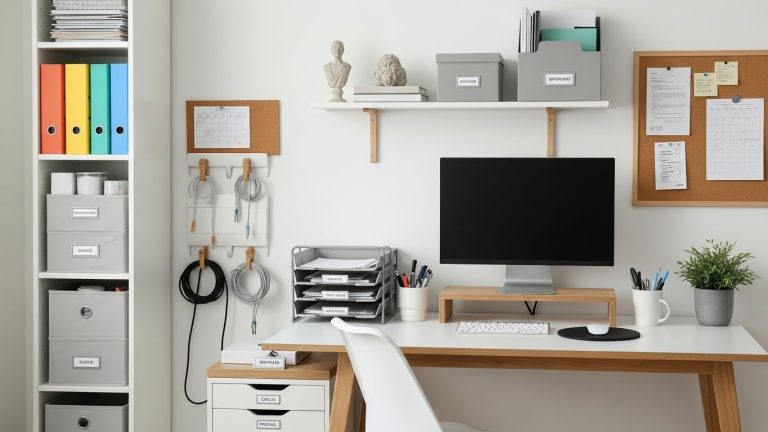
Brazil’s urban density, inflation, and shifting work patterns shape how households allocate space and resources. The former Home Living Brazil legacy encouraged compact, multi-use spaces built around simple routines, such as quick-clean surfaces, modular storage, and flexible seating. As a result, homes often emphasize adaptable layouts that can transform from kitchen to dining area, from work desk to reading nook, with calm color palettes and durable materials. The trend prioritizes resilience: easy maintenance, local materials, and spaces that accommodate visitors without sacrificing privacy.
Regional climate diversity also drives design decisions. Homes in hotter regions favor cross-ventilation and shaded outdoor living areas, while southern cities lean toward well-insulated, energy-efficient interiors. Across the country, households favor durable finishes that withstand humidity, frequent rainfall, and the wear of family life, blending practicality with a touch of personal style.
Design Shifts in Brazilian Homes
Design practice has shifted toward modular furniture, hidden storage, and surfaces that tolerate daily life. Modular sofas, fold-away desks, and stackable chairs let families reconfigure rooms for work, play, or hosting guests. Local crafts and materiality—timbre wood, ceramic tiles, terracotta tones—anchor spaces in a distinctly Brazilian sensibility while maintaining affordability. The balcony or veranda has become another room, extending usable square footage with planters, outdoor lighting, and weather-conscious textiles that endure sun and rain.
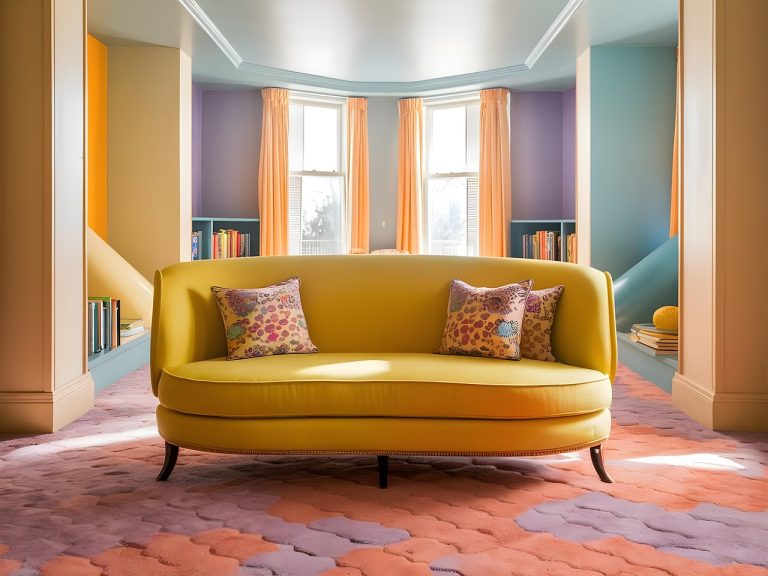
Lighting, color, and texture choices are driven by light exposure and climate. Light-reflective walls brighten small rooms; natural fibers keep interiors breathable; and plants soften edges while improving air quality. The legacy of the former brand persists in the idea that a well-organized home supports daily rituals, reduces friction, and offers a sense of sanctuary even in crowded urban environments.
Economic Signals Shaping Living Costs
Brazilian households operate under economic realities that shape purchasing decisions for home goods. Inflation, mortgage rates, and energy costs influence what families buy, prioritize, and repair. In many neighborhoods, people favor repair and refurbishment over new purchases, extending the life of furniture and appliances. Local production and second-hand markets gain traction as a way to keep homes affordable while supporting regional industries. The shift toward energy-efficient devices and lighting also reduces monthly expenses, aligning with a practical, long-term approach to home living.
Beyond material choices, routines around cleaning, maintenance, and storage determine how much space a family uses and how frequently it needs to expand. When a home is organized around its residents rather than around a single designer’s vision, households can adapt to changing needs—from working at home to accommodating guests to aging in place. This flexibility mirrors the broader social and economic shifts underway in Brazil, where households balance comfort with cost and resilience.
Actionable Takeaways
- Measure every space before purchasing furniture to avoid overstuffing small rooms.
- Choose modular furniture that can be reconfigured as needs evolve, especially for compact apartments.
- Invest in energy-efficient appliances and lighting to reduce monthly costs and environmental impact.
- Prioritize effective storage solutions and simple, durable finishes that withstand daily life and wet seasons.
- Leverage natural light and ventilation to cut cooling costs and improve well-being.
- Support local materials and crafts to sustain the economy and ensure accessibility of quality options.
Source Context
For context on related topics and broader perspectives, see the following sources:
From an editorial perspective, separate confirmed facts from early speculation and revisit assumptions as new verified information appears.
Track official statements, compare independent outlets, and focus on what is confirmed versus what remains under investigation.
For practical decisions, evaluate near-term risk, likely scenarios, and timing before reacting to fast-moving headlines.