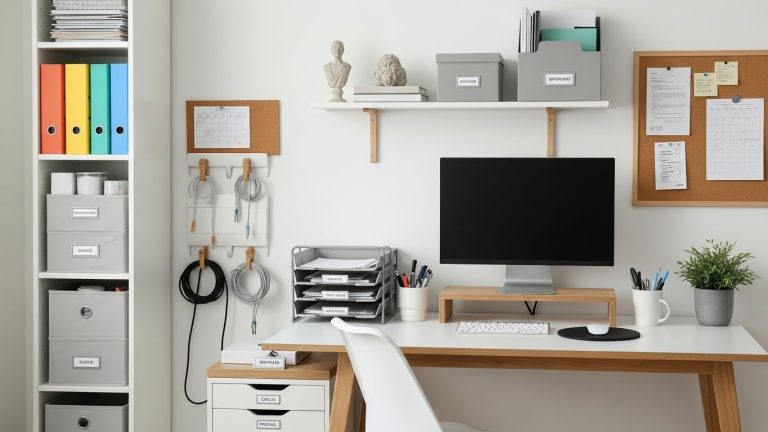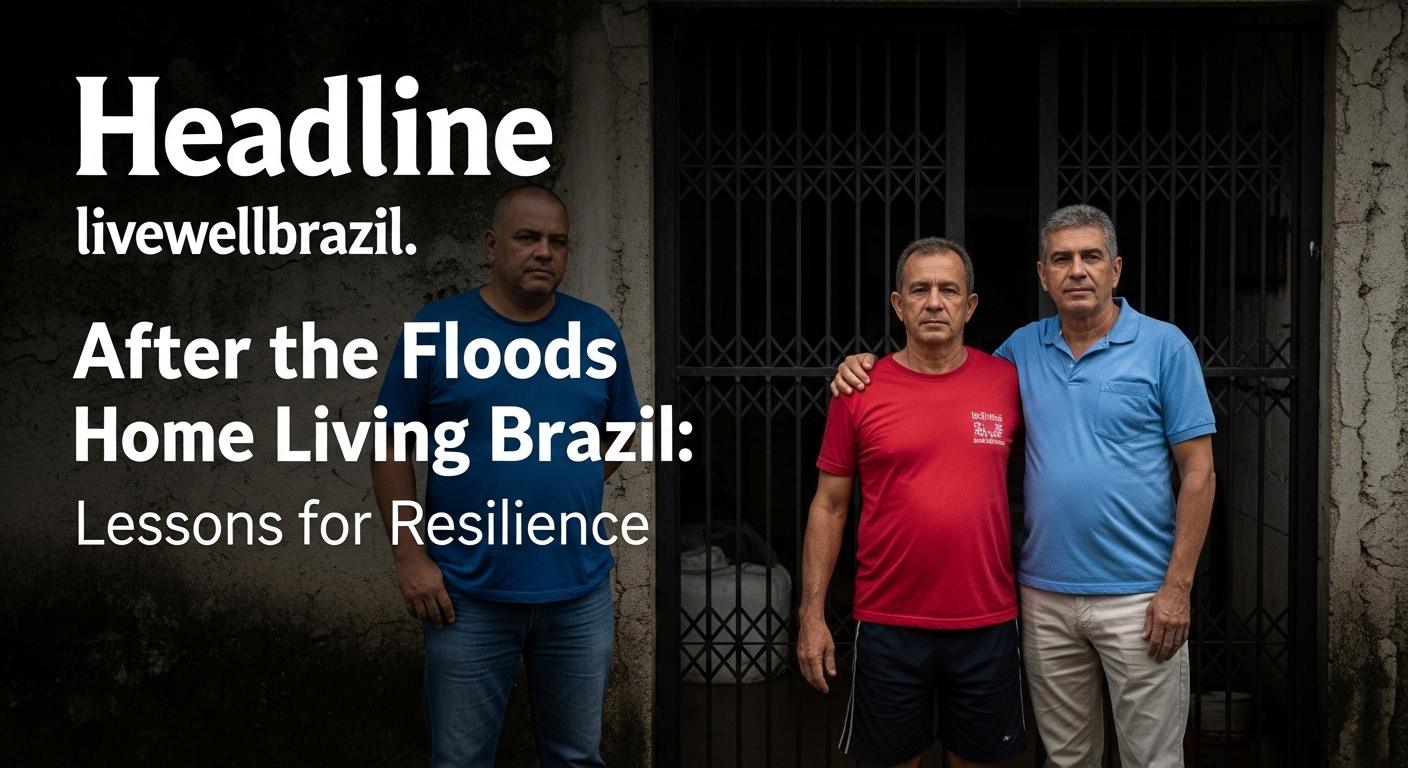
Interior of a flooded Brazilian home with belongings moved to higher shelves and family members arranging essentials.
Updated: April 9, 2026
brazil’s Home Living Brazil is increasingly a lens on how everyday Brazilians shape and safeguard their spaces as climate and urban pressures reshape domestic life. This analysis considers how families negotiate storage, cooling, drainage, and comfort in homes that range from favela kiosques to modern urban residences, highlighting practical strategies that blend culture, economics, and design.
Context: Climate pressures shaping home living in Brazil
Brazil faces a spectrum of climate risks, from intense rainfall and floods in many urban basins to heat stress in dry seasons. These dynamics affect how people use interior space, how water is managed around the property, and what materials best withstand repeated weather shocks. The home becomes a frontline of adaptation, not only a shelter but a site of resource conservation, safety, and habit formation. When streets flood or heat rises, families improvise: they rearrange furniture to elevate electronics, create dry zones for essential goods, and invest in storage that reduces waste and spoilage. In this context, brazil’s Home Living Brazil emerges as a practical framework, prioritizing simple, repeatable changes that deliver tangible comfort and resilience.
Designing for resilience: practical upgrades in Brazilian homes
Concrete thresholds, raised electrical outlets, and watertight seals are no longer optional in many neighborhoods. Home design now often incorporates features that buffer households from rain-driven disruption. Rainwater harvesting barrels, permeable paving, and connected drainage ensure that when storms arrive, households have a predictable path to manage water. Interiors favor materials that resist humidity and pave the way for longer appliance life, while passive design elements like shading, natural ventilation, and thermal mass reduce energy use. In smaller dwellings, space-saving layouts and modular storage become essential; families optimize nooks for groceries, medicines, and emergency supplies so that a sudden flood or power outage does not derail daily routines. These adjustments reflect a broader shift: the kitchen, living room, and corridor evolve into modular platforms for resilience, not just comfort.
Urban infrastructure and household agency
Beyond the walls of the home, city and neighborhood design matters. Public drainage, street-level water management, and public awareness campaigns shape how households experience climate events. Yet residents often gain agency through neighborhood groups and cooperative efforts that finance shared infrastructure improvements, such as community rain gardens or shared backup generators. The most effective home-living strategies blend household decisions with municipal action: improved zoning, timely maintenance of drainage networks, and accessible financing for resilience upgrades. Brazil’s diverse urban forms demand adaptable solutions—what works in a flood-prone metro may differ from a sun-soaked inland city—but the underlying philosophy remains consistent: invest in low-cost, high-return modifications that preserve safety and daily flow.
Economic realities driving choices and access
Affordability is the linchpin of widespread adoption. For many households, the question is not only what to change, but how to pay for it. Low- and middle-income families often prioritize immediate needs—food, schooling, basic shelter—while attempting to incorporate small, incremental upgrades that pay off in reduced water use or lower cooling costs. Credit lines for home improvement, informal credit networks, and mutual-aid practices help bridge gaps, but they also require coordination, trust, and time. For policy makers, the challenge is scaling proven, cost-effective interventions—low-cost drainage improvements, rainwater capture, and energy-efficient appliances—so that the average Brazilian home can improve resilience without facing prohibitive bills. In the long run, resilient home living can be a pathway to lower vulnerability and higher quality of life, even amid fluctuating weather patterns.
Actionable Takeaways
- Prioritize proper drainage around the home and install rainwater harvesting where feasible to reduce flood risk and water bills.
- Choose flood-resistant fixtures and materials for entry points, electricals, and storage to minimize damage during heavy rains.
- Enhance passive cooling and natural ventilation to lower energy use and maintain comfort in hot seasons.
- Invest in modular storage and space-saving layouts to keep essential items accessible during outages or evacuations.
- Leverage community programs and micro-finance options to fund scalable resilience upgrades with shared benefits.
Source Context
Related coverage and perspectives that inform the broader discussion of climate, policy, and social dynamics in Brazil: