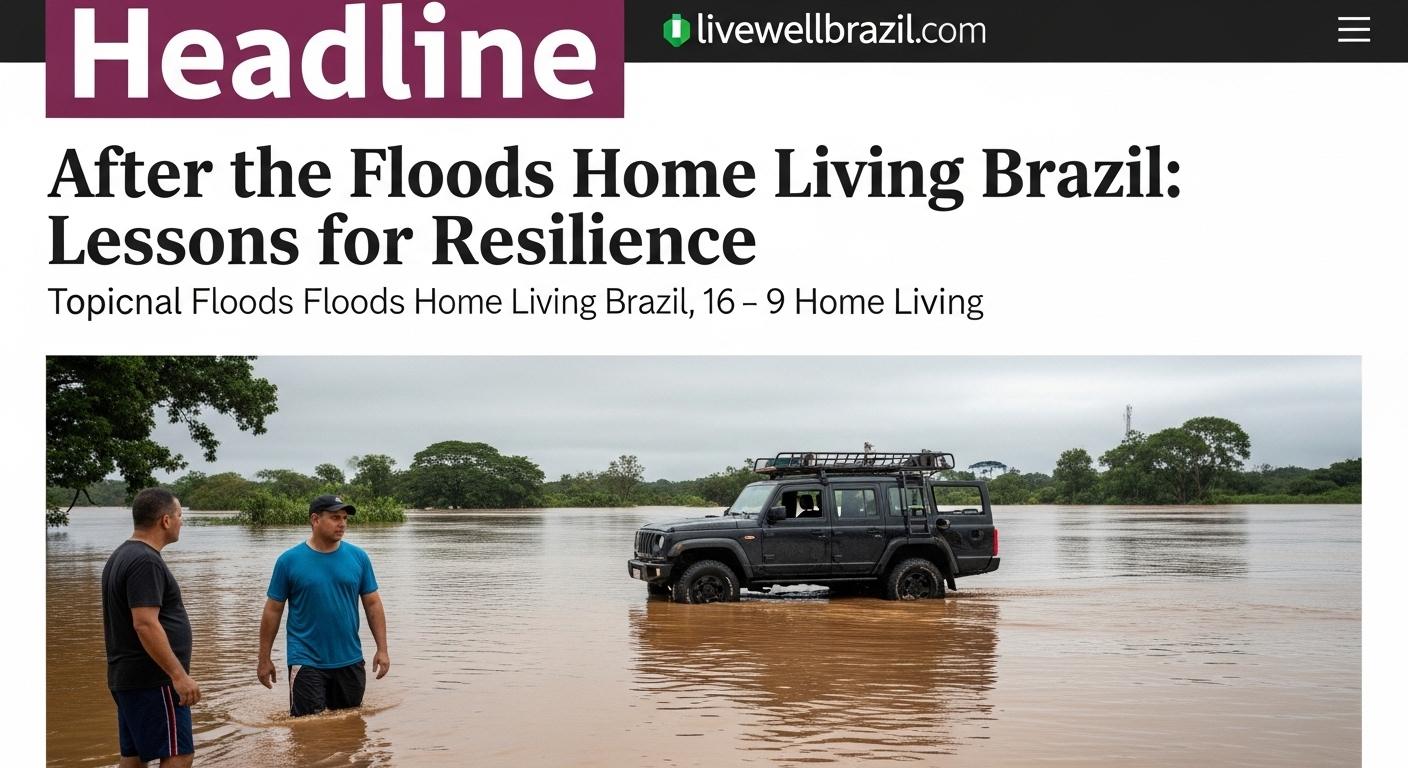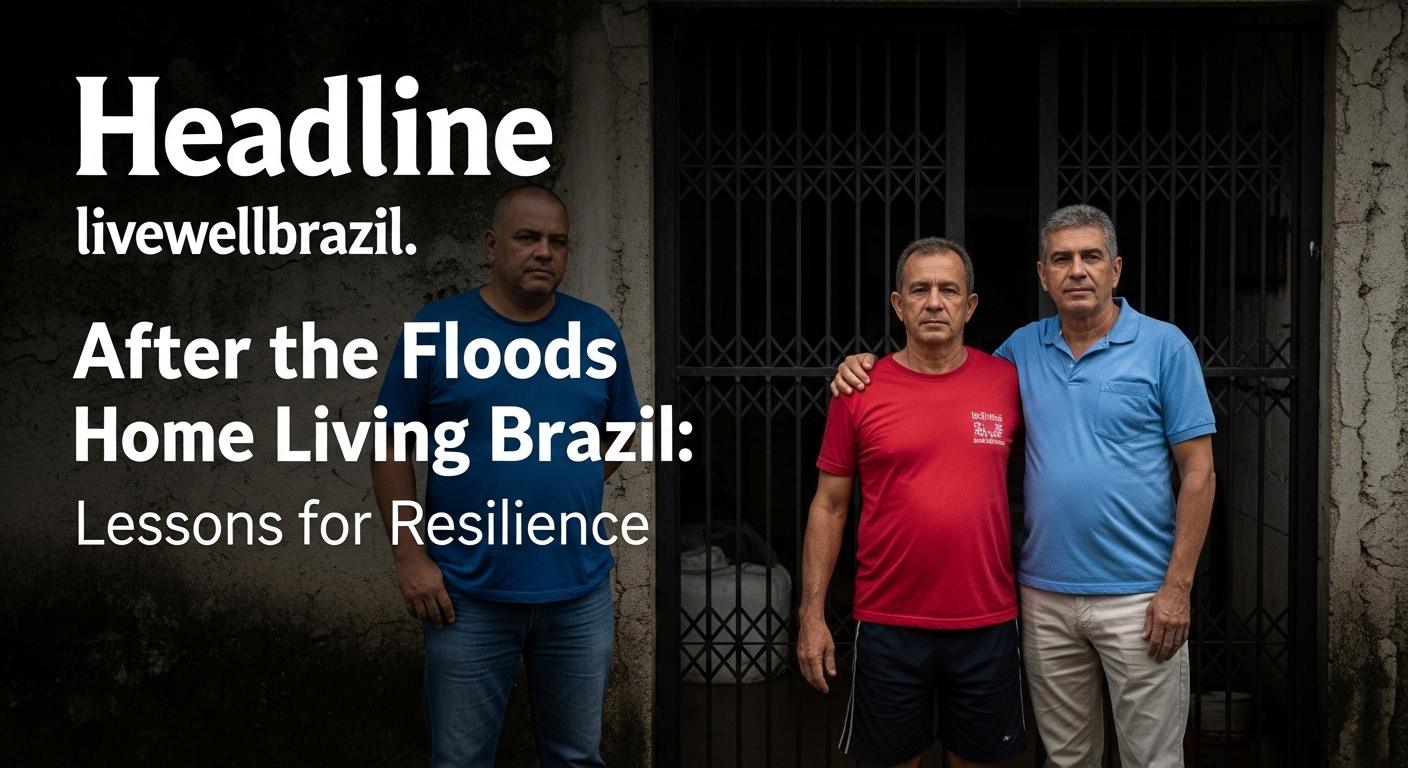
Interior of a flooded Brazilian home with belongings moved to higher shelves and family members arranging essentials.
Updated: April 9, 2026
In Brazil, floods Home Living Brazil have become a defining challenge for households seeking stability as rainfall intensifies and cities sprawl. This analysis examines how families balance safety with daily routines, and how homes are being reimagined to withstand inundation, from raised living areas to new cleaning protocols.
Causes and Context
Behind the current wave of flooding is a combination of climate and city-building. In southeastern Brazil, planners note a trend toward heavier, more concentrated rainfall events, while cities expand into low-lying areas and floodplains. Impermeable surfaces from asphalt and concrete increase runoff, while aging drainage networks struggle to keep pace. When storms align with high tides or river surges, neighborhoods experience rapid water rise that can overwhelm small drainage channels. For residents who rely on buses, local markets, and school schedules, those bursts of rain disrupt routines in ways that ripple through work, care duties, and financial planning. In short, floods become a test of resilience not just for property, but for the systems households depend on daily.
Experts emphasize that the risk is not evenly distributed. Low-income neighborhoods, rental housing, and informal settlements often lack robust floodproofing and access to timely warning. The result is a cycle where a single heavy event can force days of displacement, with downstream effects on childcare, groceries, and informal economies. This context helps explain why Home Living Brazil—the ways families organize space, protect belongings, and maintain routines—emerges as a central lens for understanding flood impacts.
Household Design Choices in Flood-Prone Areas
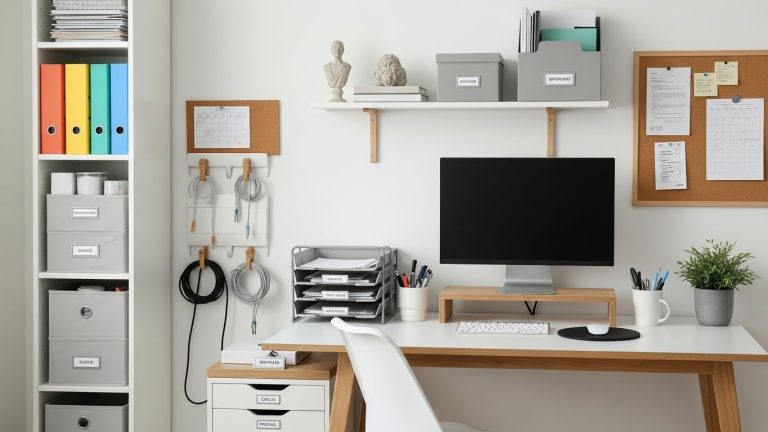
Within this context, many households prioritize designs that keep daily life navigable during and after inundation. Elevated living rooms and kitchens reduce the amount of content that needs moving when water levels rise. Water-resistant finishes, sealed doors, and simple, modular furniture help quick relocation of items. People invest in backflow prevention where possible and keep sump pumps, generators, and rubberized storage containers ready. Importantly, such adaptations reflect trade-offs: affordability, aesthetics, and social equity all shape who can afford enduring improvements. In Brazil’s dynamic housing market, smaller households and renters face barriers; community programs and micro-insurance schemes can widen access to flood-resilience upgrades. Additionally, residents increasingly rethink storage habits—placing valuables on higher shelves and using watertight bins for documents and electronics—so that an unexpected surge does not erase years of records and memories.
Owner-occupied homes often lead the way, while rental units lag behind due to the higher cost of modifications and the risk of utility disconnections during floods. Municipal programs that subsidize flood-proofing, training in weather-ready maintenance, and access to affordable materials can narrow this gap. The design choices echo a broader shift in Home Living Brazil: resilience becomes a core component of everyday living, not merely a response to emergencies.
Living With Water: Practical Adaptations
When water arrives, households shift from routine to contingency. Residents seal windows, move valuables onto higher shelves, and unplug sensitive devices to mitigate electrical shock risk. Outdoor areas become staging zones for sandbags, pumps, and ladders. In multi-unit buildings, residents coordinate with building managers to clear clogged gutters, operate lift access for those in need, and share evacuation routes. After the flood recedes, the emphasis turns to cleanup—drying out walls, discarding compromised materials, and sanitizing surfaces to prevent mold. Across neighborhoods, practical knowledge travels through informal networks—neighbors sharing pumps, cleaning supplies, and tips about where to dispose of debris. The human element matters as much as the hardware: trusted local networks speed decisions about when to return home, how to secure belongings, and how to reconstitute routines for work, school, and care responsibilities.
Longer-term adaptations blend temporary fixes with structural considerations. Some households install simple check valves to reduce backflow, elevate electrical outlets, or reposition kitchens away from flood-prone zones. Others adopt modular furniture and waterproof storage that can be reconfigured after each event. The shared experience of water stress also shapes social norms—neighbors coordinate on gatekeeping to protect vulnerable residents, exchange tools, and collectively decide when public spaces are safe for children and elders.
Actionable Takeaways
- Know your flood risk and consult local authorities for guidance and early warning systems.
- Elevate valuables and essential utilities; store copies of important documents in waterproof bags on higher shelves.
- Build a household flood kit with water, non-perishable food, flashlight, batteries, a first-aid kit, a radio, cash, and copies of critical records.
- Maintain drainage and utilities: keep gutters clear, test sump pumps, and consider backflow valves where feasible.
- Develop a family communication plan with designated meeting points and emergency contacts; practice it periodically.
- Create a simple evacuation plan, including routes from home to safe gathering areas and accommodations for vulnerable family members.
- Foster neighbor networks to share resources, transport, and information before, during, and after floods.
Source Context
For readers seeking broader reporting on floods in Brazil, the following outlets have covered related events and responses: