Exploring Minimalist Living: A Trending Home Lifestyle
In a world that often feels overwhelming and cluttered, the concept of minimalist living has emerged as a beacon of simplicity and mindfulness. This lifestyle trend is gaining momentum as more individuals seek to declutter their homes and, in turn, their minds. But what exactly does minimalist living entail, and why is it becoming such a popular choice? In this comprehensive guide, we will delve into the world of minimalist living, exploring its core principles, benefits, and practical applications in home design.
Understanding Minimalist Living
Minimalist living is more than just a design trend; it’s a lifestyle choice that emphasizes living with less. It encourages individuals to focus on the essentials and eliminate unnecessary possessions. This approach is rooted in the philosophy that owning fewer material goods can lead to a more fulfilling and meaningful life. Minimalism is about intentionality, and it extends beyond physical possessions to encompass mental and emotional clutter as well.
The Core Principles of Minimalist Living
At its heart, minimalist living revolves around several key principles:
- Intentionality: Minimalism encourages individuals to make deliberate choices about what they bring into their lives. This means assessing the value and purpose of each item and keeping only those that truly serve a function or bring joy.
- Decluttering: One of the fundamental practices of minimalism is decluttering. This involves systematically going through one’s belongings and letting go of items that no longer serve a purpose or have sentimental value.
- Simplicity: Minimalism advocates for simplicity in all aspects of life, from home decor to daily routines. This simplicity allows for greater focus and clarity.
- Sustainability: Many minimalists are also drawn to the environmental benefits of this lifestyle. By consuming less and choosing sustainable products, they contribute to a healthier planet.
The Benefits of Embracing Minimalism
Why are so many people gravitating towards minimalist living? The benefits are numerous and far-reaching:
Reduced Stress and Anxiety
In a cluttered environment, it’s easy to feel overwhelmed. Minimalism helps create a serene and organized space, which can significantly reduce stress and anxiety levels. A clean and uncluttered home fosters a sense of calm and tranquility.
Improved Focus and Productivity
With fewer distractions, individuals can concentrate better on their tasks and goals. A minimalist workspace, for example, can boost productivity by providing a clean and organized area to work.
Financial Freedom
Minimalism encourages mindful spending, which can lead to significant financial savings. By prioritizing needs over wants, individuals can reduce unnecessary expenses and allocate their resources more wisely.
Enhanced Quality of Life
Living with intention allows individuals to focus on what truly matters to them, whether it’s spending time with loved ones, pursuing passions, or simply enjoying the present moment. This leads to a more fulfilling and enriched life.
How to Incorporate Minimalism into Your Home
Transitioning to a minimalist lifestyle doesn’t happen overnight, but with a few strategic steps, you can start creating a home that reflects minimalist principles.
Start with Decluttering
The first step in embracing minimalist living is decluttering your home. Begin by tackling one room at a time, sorting through belongings, and deciding which items to keep, donate, or discard. Consider using the Marie Kondo method of asking whether each item sparks joy.
Embrace Functional Design
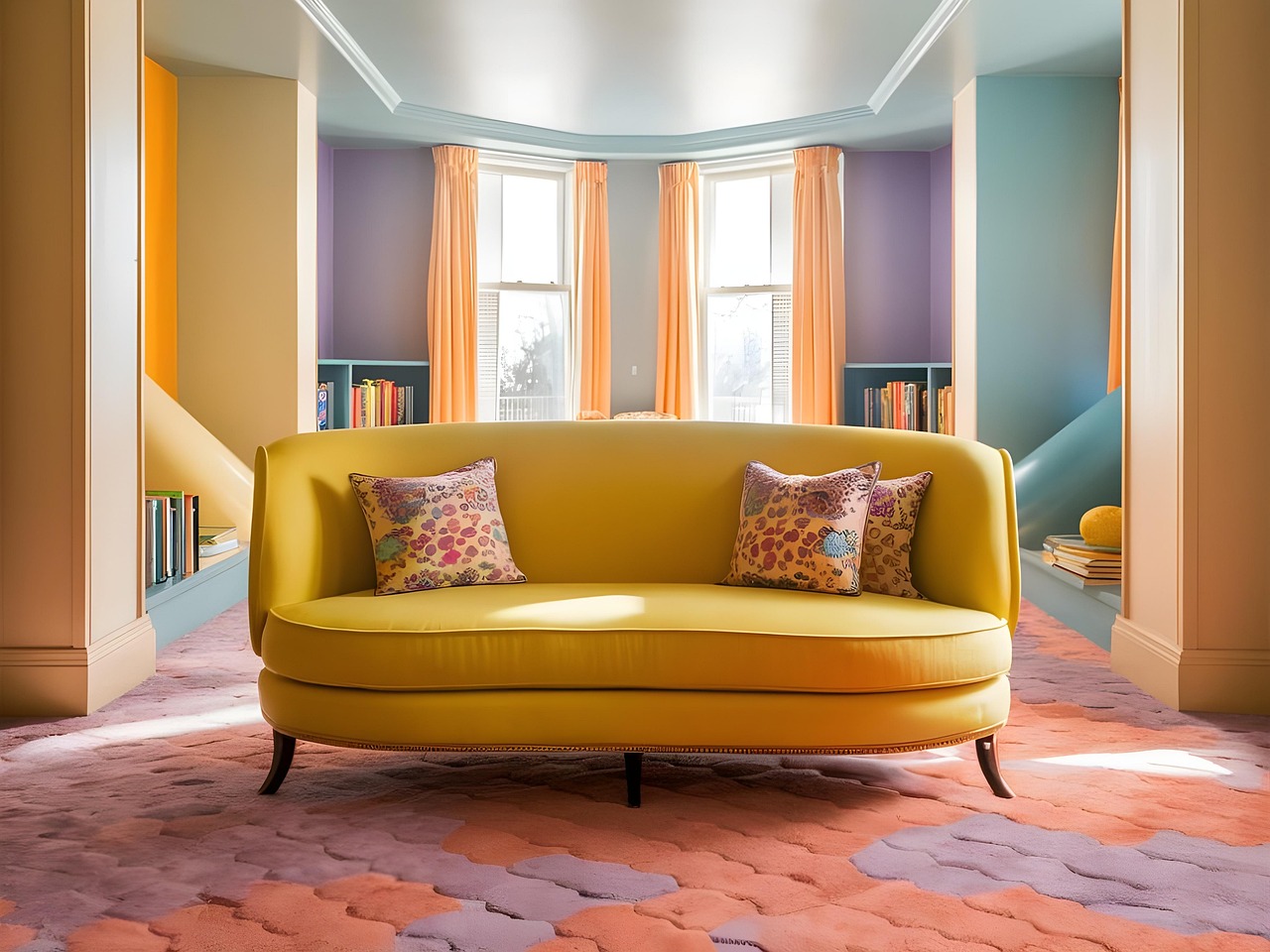
Minimalist home design emphasizes functionality and simplicity. Opt for furniture and decor that serve a purpose and have clean lines. Choose a neutral color palette to create a sense of space and light.
Adopt a “One In, One Out” Rule
To maintain a minimalist home, consider adopting a “one in, one out” rule. For every new item you bring into your home, let go of an existing one. This helps prevent clutter from accumulating again.
Invest in Quality Over Quantity
Minimalism encourages investing in high-quality, durable items that will last. This not only reduces waste but also ensures that the items you do own bring you joy and serve a purpose.
Minimalism Beyond Home Design
While minimalist living often starts with decluttering physical spaces, its principles can be applied to various aspects of life:
Minimalist Wardrobe
A minimalist wardrobe involves curating a collection of versatile and timeless pieces. This not only simplifies the process of getting dressed but also reduces decision fatigue. Consider creating a capsule wardrobe with a limited number of items that can be mixed and matched.
Digital Minimalism
In the digital age, minimalism can also be applied to technology use. This involves decluttering digital files, organizing emails, and setting boundaries for screen time. Digital minimalism promotes mindful use of technology and helps prevent information overload.
Mindful Consumption
Minimalism encourages mindful consumption habits. Before making a purchase, consider its necessity and long-term value. This approach not only reduces waste but also promotes sustainable and ethical choices.
Challenges and Misconceptions
While minimalist living offers numerous benefits, it’s not without its challenges and misconceptions. Some people fear that minimalism means living in stark, empty spaces or depriving themselves of joy. However, minimalism is not about deprivation—it’s about making room for what truly matters.
Finding Balance
Achieving balance is crucial in minimalist living. It’s important to remember that minimalism looks different for everyone. Some may choose to live with very few possessions, while others might focus more on simplifying their schedules and commitments.

Overcoming Sentimental Attachments
Letting go of sentimental items can be especially challenging. It’s essential to strike a balance between holding onto meaningful possessions and freeing oneself from clutter. Consider ways to preserve memories without keeping physical objects, such as through photographs or journaling.
Conclusion: Embracing a Minimalist Lifestyle
Minimalist living is more than a trend; it’s a transformative lifestyle that encourages intentionality, simplicity, and mindfulness. By embracing minimalist principles, individuals can create a home and life that reflects their values and priorities. Whether you’re drawn to the aesthetic appeal of minimalism or its potential for personal growth, exploring this lifestyle can lead to a more meaningful and fulfilling existence.
As you embark on your minimalist journey, remember that the key is to focus on what truly matters to you. By letting go of the excess, you can make space for what brings joy and purpose to your life. Consider visiting resources like The Minimalists for more insights and inspiration on minimalist living.
Minimalism and Community Living
Another intriguing aspect of minimalist living is its potential to foster stronger community connections. When individuals choose simplicity and reduce their focus on material possessions, they often find more time and energy to invest in relationships and community activities. This shift can lead to enhanced social interactions and a greater sense of belonging.
Shared Spaces and Resources
Minimalism encourages the use of shared spaces and resources, which can strengthen community ties. For instance, communal gardens, shared workspaces, or neighborhood tool libraries allow members to collaborate and support each other. This approach not only maximizes resource use but also builds a supportive network within the community.
Participating in Local Initiatives
With more time freed up from maintaining and managing possessions, minimalists often find themselves more involved in local initiatives. Whether it’s volunteering, participating in community events, or engaging in local governance, minimalists can contribute positively to their surroundings, further enriching their lifestyle.
Minimalism and Mental Health
The connection between minimalism and mental health is profound. By reducing clutter and focusing on what truly matters, individuals can experience a range of mental health benefits, leading to a more balanced and harmonious life.
Mindfulness and Presence
Minimalism promotes mindfulness by encouraging individuals to live in the present moment. Without the distraction of clutter and excess, it’s easier to focus on the here and now, which can lead to increased mental clarity and emotional well-being. Practicing mindfulness can help reduce stress and anxiety, fostering a sense of peace.
Emotional Resilience
As individuals embrace minimalist living, they often become more emotionally resilient. By letting go of material attachments, they learn to prioritize experiences and relationships over possessions. This shift in focus can lead to a greater sense of contentment and fulfillment, even in challenging times.
Minimalism in Different Cultures
While minimalism is gaining popularity in Western societies, it’s important to recognize that many cultures have long embraced minimalist principles. By examining these cultural practices, we can gain a deeper understanding of the universal appeal of minimalism.
Japanese Minimalism
Japanese culture has long been associated with minimalist living, particularly through the concept of wabi-sabi, which finds beauty in imperfection and simplicity. Traditional Japanese homes often feature minimalist designs with tatami mats, sliding doors, and a focus on natural materials. The principles of Japanese minimalism continue to influence modern minimalist design and lifestyle choices worldwide.
Scandinavian Design
Scandinavian design is another cultural embodiment of minimalism, characterized by functional furniture, simple forms, and a neutral color palette. This design philosophy prioritizes comfort and functionality, creating spaces that are both inviting and serene. Scandinavian minimalism emphasizes the importance of bringing nature indoors, further enhancing its calming effects.
Practical Tips for Starting Your Minimalist Journey
If you’re inspired to explore minimalist living, here are some practical tips to help you get started:
Define Your “Why”
Understanding your personal motivations for adopting minimalism is crucial. Take some time to reflect on what aspects of your life you wish to simplify and why. Whether it’s to reduce stress, save money, or enhance your relationships, having a clear “why” will guide your journey.
Set Realistic Goals
Begin with small, achievable goals. This could be decluttering a single room, simplifying your wardrobe, or reducing your screen time. Celebrate each victory, and gradually expand your efforts as you become more comfortable with the minimalist lifestyle.
Embrace Imperfection
Remember that minimalism is not about perfection. It’s about progress and making choices that align with your values. Be gentle with yourself as you navigate this transition, and allow room for flexibility and growth.
Conclusion: The Lasting Impact of Minimalist Living
Minimalist living offers a path to a more intentional, fulfilling, and sustainable life. By focusing on what truly matters, individuals can experience a profound transformation in their physical spaces, mental well-being, and relationships. As this lifestyle continues to gain traction, it invites us all to reconsider our relationship with material possessions and embrace a more mindful way of living.
Whether you’re drawn to minimalism for its aesthetic appeal, its potential to enhance well-being, or its environmental benefits, embracing this lifestyle can lead to a richer, more meaningful existence. As you embark on your minimalist journey, remember that the goal is not to live with as little as possible, but to live with enough—enough to support a life filled with joy, purpose, and connection.
About the Author