2022 Home Living Trends What To Expect In The New Year
Updated: April 9, 2026
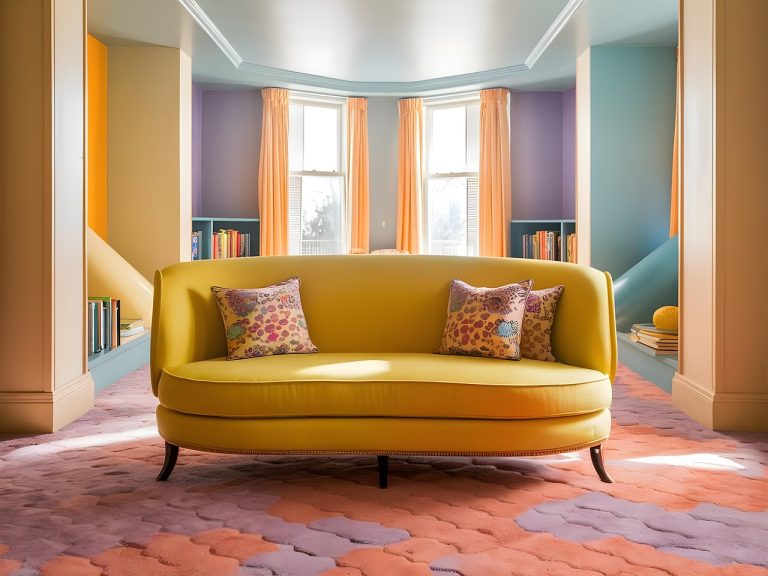
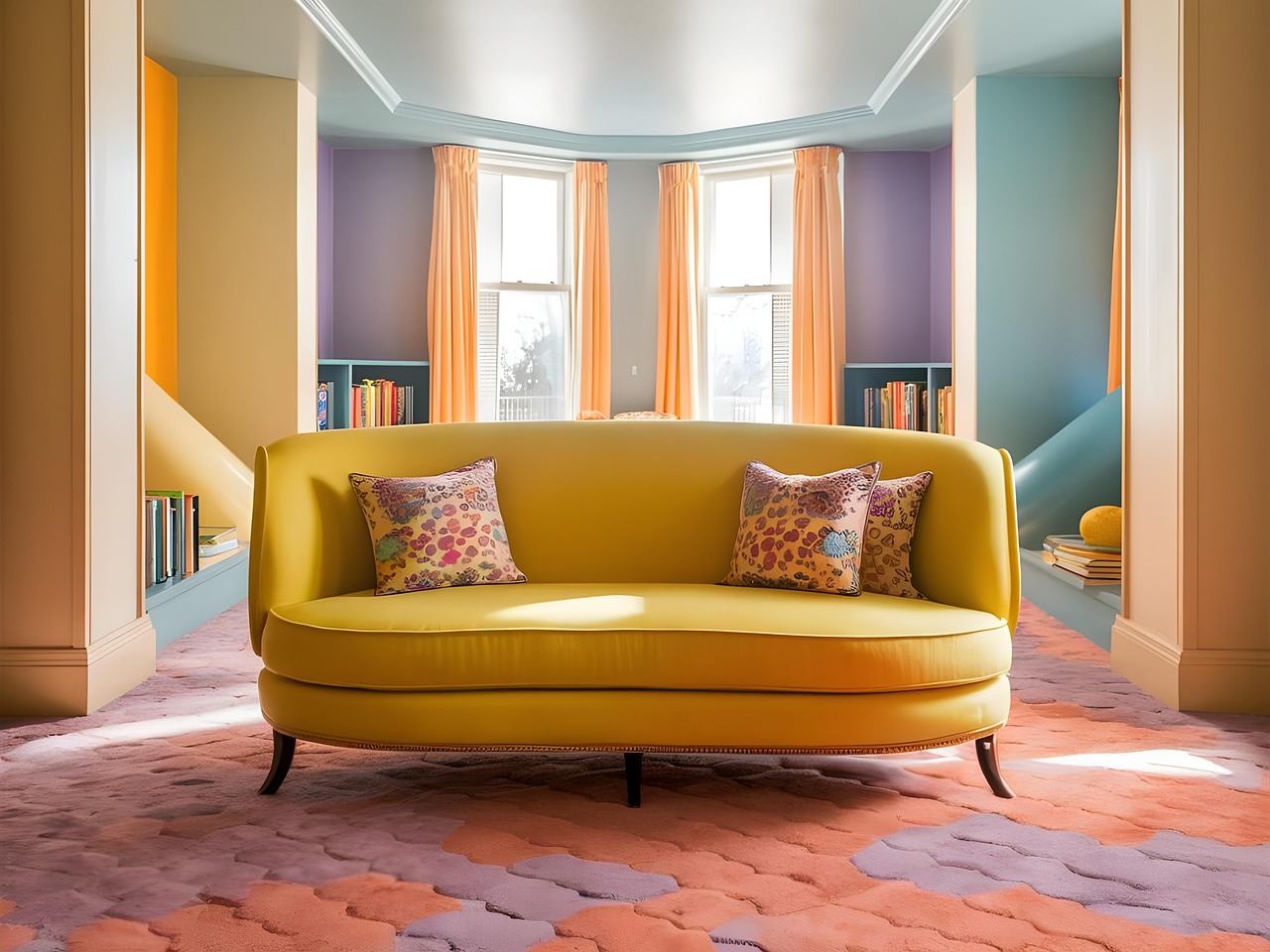
As Brazilian homes expand to embrace flexible living, the oversized Home Living Brazil phenomenon is reshaping how families meet, entertain, and unwind. Large-scale furniture, expansive outdoor rooms, and timber pavilions are no longer novelties but practical responses to climate, culture, and the realities of urban space.
Context: Brazilian Living Spaces and the Allure of Scale
In major Brazilian cities, compact plots and shifting household needs push designers toward flexible layouts. Architects emphasize indoor-outdoor flow to cope with tropical weather, while consumers gravitate toward pieces that anchor social life — sofas, tables, and canopies that command attention without overwhelming circulation. The oversized trend is less about opulence and more about creating rooms that function as venues for meals, gatherings, and work from home, all within a single footprint.
Urban density, climate realities, and evolving family routines converge to make scale a practical design tool. When a living room doubles as a dining space and a workspace, scale becomes a matter of movement and air flow as much as form. Local materials, such as timber and stone, gain value for their longevity and harmony with Brazil’s varied climates, from humid coastal zones to drier interior regions.
From Showpiece to Everyday Use: Design and Function
Oversized furnishings can redefine how furniture anchors a space. A wide dining ensemble may invite more family meals, but it also invites careful layout planning to preserve pathways and sightlines. Timber pavilions and pergola-covered patios extend the usable area, yet they demand attention to ventilation, materials compatibility, and maintenance. Designers highlight that scale should serve function: seating density that respects movement, textiles chosen for durability, and modular elements that can reconfigure for parties, schoolwork, or movie nights.
Practical design in Brazil often means balancing shade and sun. Oversized pieces paired with generous canopies reduce direct heat during peak sun hours while allowing openness to breezes. The result is a home life that leverages climate positively, rather than fighting it with energy-intensive cooling. At the same time, maintenance considerations — moisture resistance, insect protection, and weather-proof finishes — influence material choices and warranty expectations for households contemplating large purchases.
Economic and Environmental Considerations
Beyond aesthetics, the cost and lifecycle of oversized pieces matter. In Brazil, import duties and shipping logistics can impact price, encouraging a growing local crafts ecosystem that produces durable, scale-appropriate pieces. Sustainable sourcing becomes more than a buzzword when large timber structures rely on responsible procurement and weather-resistant finishes. The environmental footprint extends to energy use: expansive outdoor rooms may lower cooling needs during temperate seasons but heighten upkeep demands for shade, rain protection, and pest management.
Market dynamics also shape the availability of oversized options. Local workshops and mid-sized manufacturers increasingly offer modular, scale-aware solutions that fit narrow plots while preserving social function. Consumers who prioritize durability and serviceability tend to gravitate toward pieces with interchangeable components or reconfigurable layouts, reducing waste over time and enabling living spaces to adapt to changing family needs.
Actionable Takeaways
- Measure comprehensively: map every doorway, corridor, and outdoor edge before selecting oversized pieces.
- Prioritize modularity: choose furniture that can reconfigure for different uses and seasons.
- Balance indoor and outdoor spaces to maximize natural ventilation and comfort.
- Source locally when possible to reduce cost and support sustainable craftsmanship.
- Invest in durable finishes and weather-ready materials suitable for Brazil’s climate.
- Plan maintenance routines to protect timber and textiles from humidity and pests.
Source Context
From an editorial perspective, separate confirmed facts from early speculation and revisit assumptions as new verified information appears.
Track official statements, compare independent outlets, and focus on what is confirmed versus what remains under investigation.
For practical decisions, evaluate near-term risk, likely scenarios, and timing before reacting to fast-moving headlines.
Use source quality checks: publication reputation, named attribution, publication time, and consistency across multiple reports.
Cross-check key numbers, proper names, and dates before drawing conclusions; early reporting can shift as agencies, teams, or companies release fuller context.
When claims rely on anonymous sourcing, treat them as provisional signals and wait for corroboration from official records or multiple independent outlets.