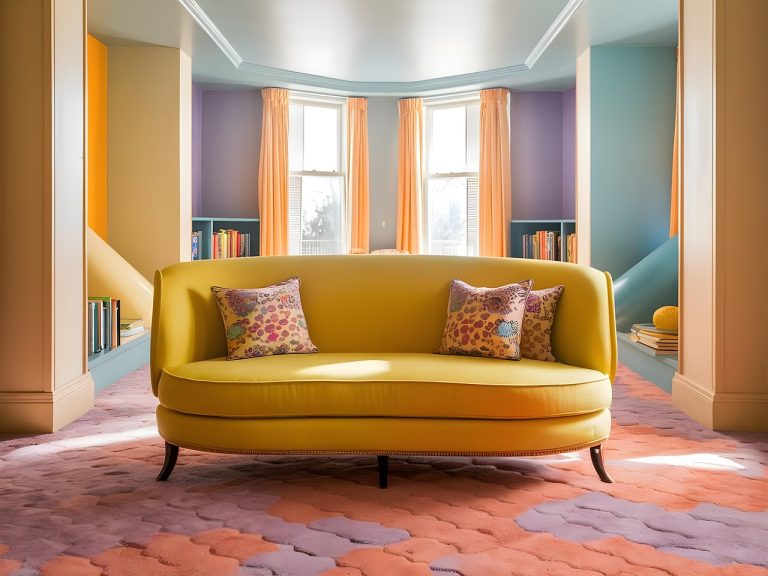
Modern Brazilian living room showcasing premium materials and climate-conscious design
Updated: April 9, 2026
In Brazil, the appeal of oversized Home Living Brazil is reshaping how households plan and use living spaces, pushing designers to rethink scale, storage, and daylight access. This reach beyond decorative excess signals a shift toward multi-use rooms in which family life, work, and leisure share one footprint, even where real estate remains costly or constrained.
The rise of oversized Home Living Brazil: drivers and challenges
Brazilian cities exhibit dense housing stock, from compact apartments to older houses with high ceilings, yet families increasingly seek spaces that can flex with time. The term oversized Home Living Brazil captures a design impulse toward large seating ensembles, expansive coffee tables, and generous entertainment zones that can host gatherings while still maintaining room for daily routines. Key drivers include urban density, changing household structures (investing in multi-generational living), and the influence of global interior trends that push scale as a statement of hospitality. Challenges include budget constraints, transportation logistics for bulky furniture, and the risk of creating spaces that feel cavernous in small rooms or humid climates that affect fabric choices and wood finishes.
Space, climate, and material realities in Brazilian homes
Brazil’s climate—ranging from tropical to subtropical—shapes how oversized pieces behave in interiors. Humidity and heat can accelerate wear on wood, upholstery, and textiles, so designers lean toward breathable fabrics, ventilated structures, and finishes that resist warping. In many homes, outdoor areas like verandas and balconies extend the usable living area, encouraging oversized pieces to blur indoor-outdoor boundaries. The material reality also includes varied building typologies: new apartments with modular layouts, older houses with thick walls, and informal settlements where space scarcity is acute. These conditions push designers to balance aspirational scale with robust storage solutions, modularity, and the ability to reconfigure spaces as families grow or repurpose rooms for remote work or schooling.
From showroom to living room: practical strategies for oversized integration
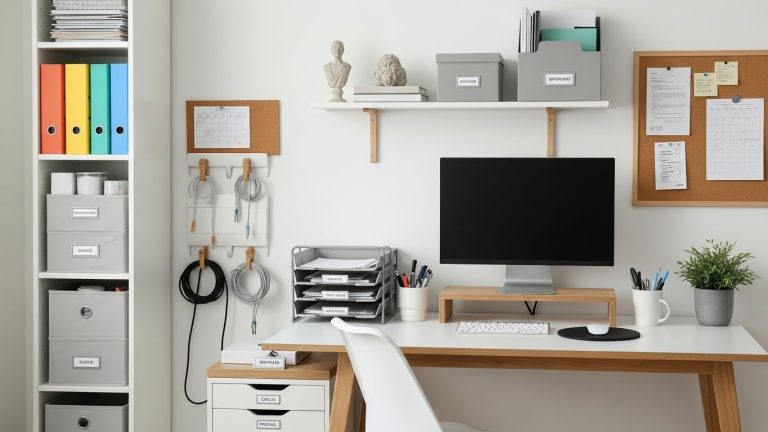
Practical adaptation requires thinking in modules rather than fixed scales. Sectional sofas with repositionable configurations, low-profile storage that doubles as seating, and wall-mounted units maximize floor area while preserving flow. Elevating storage with platforms and drawers keeps rooms uncluttered in humid environments. Designers recommend choosing fabrics with fade resistance and moisture tolerance, while light colors or reflective surfaces help counteract the visual heaviness of oversized furniture. Lighting plays a crucial role—ambient and task lighting should be layered to reduce the perception of excess scale. Finally, plan for outdoor transitions: oversized pieces can anchor covered patios and connect the interior to gardens, which aligns with Brazilian cultural preferences for sociable, open-air living.
Economic, cultural, and policy dimensions shaping adoption
Purchasing oversized furniture in Brazil often involves balancing trend with affordability, import costs, and local manufacturing capabilities. A growing domestic market for mid- to high-end Brazilian-made furniture supports more sustainable supply chains, smaller carbon footprints, and easier reparability. Culturally, homes in Brazil are frequently used as stages for family life and social gatherings, which makes room for larger seating and entertainments a practical asset rather than a mere aesthetic choice. Policy environments that encourage modular manufacturing and standardized furniture dimensions can help consumers plan for scalable setups that adapt to shifting needs, from remote work to multi-generational living. At the same time, rising urbanization, remodeling of older properties, and the popularity of indoor-outdoor living push designers to create oversized schemes that remain flexible, durable, and respectful of climate resilience.
Actionable Takeaways
- Prioritize modular, scalable furniture that can reconfigure as needs change without requiring full replacement.
- Maximize vertical storage and wall-mounted units to keep floor space open while accommodating bulky items.
- Choose fabrics and finishes designed for Brazil’s climate—breathable textiles, moisture-resistant leathers, and finishes that resist humidity and heat.
- Blend indoor and outdoor living with covered patios or balconies that can host oversized seating in temperate seasons.
- Plan budgets with a phased approach, focusing on key focal pieces first and expanding as space and funds allow.
- Support locally manufactured options to reduce transportation costs and support the domestic economy.