Brazil Home Living Brazil: Trends, Design, and Practical Insights
Updated: April 9, 2026
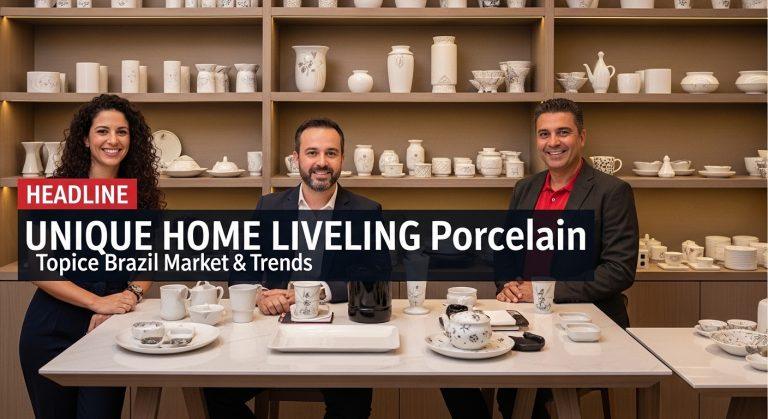
Against a backdrop of rising urbanization and shifting household needs, premium Home Living Brazil is evolving from boutique bravado into everyday practicality for Brazilian homes. The phrase itself has become a shorthand for durable, well-made pieces that balance aesthetics with function, reflecting how Brazilian consumers assess value in a market where price sensitivity coexists with a desire for longevity.
Market dynamics and the premium segment in Brazil
Brazilian households are increasingly prioritizing quality and longevity over transient trends. This shift is not merely about expensive furniture; it’s about making investments that withstand changing living patterns—from compact urban apartments to multi-generational homes. Retail data suggests a widening gap between entry-level home goods and premium products, as consumers seek warranties, after-sales service, and the reassurance of local availability for repairs and replacements. In this environment, the premium segment is less about flashy displays and more about a coherent offering: durable materials, standardized dimensions for modular use, and a clear sustainability story. Brands that succeed in this space tend to articulate tangible benefits—reliability, repairability, and the ability to remix spaces without buying new every season—rather than relying solely on design novelty.
Design philosophy and domestic production
Brazilian design has long thrived at the intersection of craft and modern living. In the premium tier, the emphasis is on translating artisanal know-how into scalable products without erasing authenticity. Local production networks—ranging from small, skilled workshops to mid-sized studios—enable a supply chain that can respond to demand while maintaining traceability of materials. A notable trend is the use of native materials and sustainable finishes, which cut shipping emissions and support regional economies. Designers increasingly document the lifecycle of pieces—from sourcing to repair—so households can see how a chair or a modular system ages gracefully, becoming a part of a home’s evolving narrative rather than a disposable commodity. This approach aligns with a broader behavioral shift: consumers want design that reflects Brazilian identity while delivering consistent performance, year after year.
Sustainability and consumer pragmatism in home living
Eco-conscious choices have moved from a niche concern to a mainstream expectation in premium home goods. For many Brazilian buyers, sustainability translates into durable construction, responsibly sourced materials, and the option to refurbish or upgrade components instead of replacing entire sets. Practical design—such as modular furniture that adapts to room reconfigurations, finishes that resist humidity, and textiles designed for tropical climates—adds value beyond aesthetics. Smart decisions also include energy-conscious features like natural lighting integration and scalable systems for ventilation and climate control. In this climate, premium products are valued for their ability to reduce waste, lower long-term ownership costs, and sustain a living environment suited to dynamic households, work-from-home arrangements, and family life.
Actionable Takeaways
- Prioritize timeless materials and robust warranties to extend product life and resist market volatility.
- Look for local production capabilities and after-sales support that minimize downtime and repair costs.
- Choose modular, adaptable pieces that can reconfigure to changing spaces and uses without a full redecorating cycle.
- Invest in sustainable materials and finishes with transparent sourcing to future-proof a home’s environmental footprint.
- Curate a cohesive design narrative across rooms to maximize perceived value and functional harmony in smaller Brazilian homes.
Source Context
Contextual reporting on premium Brazilian design and market expansion informs this analysis. Related industry coverage includes discussion of Brazilian design brands expanding internationally and the evolving consumer landscape in Brazil’s design economy.
Further reading and context:
From an editorial perspective, separate confirmed facts from early speculation and revisit assumptions as new verified information appears.
Track official statements, compare independent outlets, and focus on what is confirmed versus what remains under investigation.
For practical decisions, evaluate near-term risk, likely scenarios, and timing before reacting to fast-moving headlines.
Use source quality checks: publication reputation, named attribution, publication time, and consistency across multiple reports.
Cross-check key numbers, proper names, and dates before drawing conclusions; early reporting can shift as agencies, teams, or companies release fuller context.
When claims rely on anonymous sourcing, treat them as provisional signals and wait for corroboration from official records or multiple independent outlets.