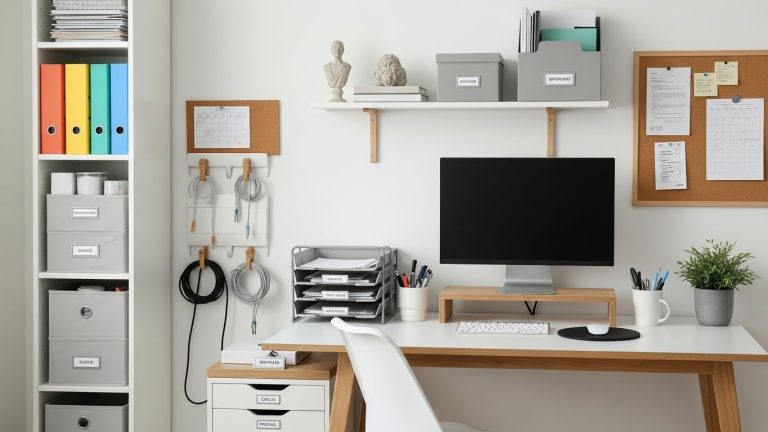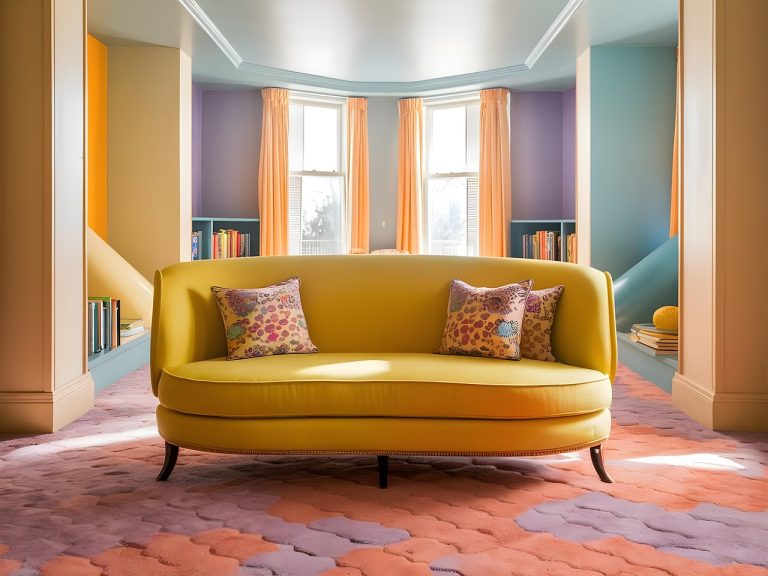
Bright Brazilian living room showcasing practical home design in Brazil.
Updated: April 9, 2026
Across Brazilian homes, daily life blends warmth, practicality, and social rhythm; this report considers how domestic spaces “feels Home Living Brazil,” shaping wellbeing and everyday efficiency.
Cultural Rhythms and Spatial Design
Brazilian design often reflects climate, geography, and hospitality. In warmer regions, homes emphasize airflow, shaded courtyards, and outdoor rooms that extend the living area. Materials such as terracotta, lime plaster, and wood are chosen for their natural feel and ability to regulate temperature without heavy mechanical systems. Social life centers on kitchens and patios; meals become communal events that travel beyond the dining table into living rooms, balconies, and even street-front spaces when possible. Regional variations—coastal breezes, inland heat, and southern tempering winds—produce distinct layouts, yet the underlying logic remains consistent: flexible zones that support gathering, nourishment, and rest while inviting daylight and fresh air.
The home here is a micro-community. Families and guests flow between cooking, talking, and relaxing, with design cues that encourage connection. When a space negotiates climate, family life, and social ritual, the result is a strong sense of belonging that aligns with the broader idea of feels Home Living Brazil, where comfort arises from cultural resonance as much as from furniture choices.
Practical Layouts for Brazilian Homes
Urban living in Brazil often means balancing compact apartment footprints with a desire for openness. The growing prevalence of cozinhas integradas (integrated kitchens) reflects a hunger for sociable spaces that allow cooking, dining, and conversation to happen in one joined area. In high-rise neighborhoods, balconies and varandas extend living space, serving as morning coffee corners or evening relaxation zones. Storage is king in crowded cities; the best layouts use armários embutidos (built-in cabinets) and vertical shelving to keep floors clear and air flowing. Furniture is chosen for flexibility: modular sofas, fold-away desks, and lightweight tables that can adapt to a family’s changing needs.
Lighting is another practical lever. Large windows and light-colored finishes maximize daylight while reducing the need for artificial lighting during sunlit hours. In smaller homes, the wall or ceiling becomes a canvas for color and texture rather than heavy ornament, allowing a sense of airiness that is crucial in dense urban environments. Across regions, the aim is clear: create multi-use zones that feel bright, breathable, and ready for daily life, with the option to reconfigure as families grow or shift routines.
Within this approach, the phrase feels Home Living Brazil appears not as a slogan but as a lived outcome: spaces that support social life and everyday tasks without sacrificing comfort or privacy. Designers and homeowners alike increasingly center practical details—durable finishes, easy-clean surfaces, and flexible furniture—to ensure homes remain livable across seasons and life stages.
Sustainability and Local Craft in Domestic Spaces
Environmental considerations are no longer optional in Brazilian home design; they are integral to everyday living. Locally sourced materials shorten supply chains and support regional crafts. Brick and clay floors, wood beams, and natural plasters contribute to thermal mass and comfortable interiors while reducing dependence on climate control. Solar water heating and rainwater harvesting are common additions in newer homes, paired with efficient fixtures that cut both energy and water use. Urban farming, balcony planters, and small herb gardens bring nature closer to daily routines, reinforcing a sense of stewardship and well-being.
Ventilation strategies emphasize cross-breezes rather than relying solely on artificial climate control. In warmer climates, operable windows and shaded courtyards become essential, while in cooler regions, layered textiles and passive heating complement mechanical systems. These choices connect domestic life to regional ecosystems, making homes more resilient and affordable to maintain. The sustainable home thus becomes a practical one—calm, comfortable, and capable of withstanding the fluxes of weather, economy, and family life.
Smart Comfort and Affordable Tech
Technology is narrowing the gap between high-end comfort and budget realities. Affordable smart plugs, energy monitors, and climate sensors empower Brazilian households to track consumption and optimize daily routines. But the emphasis remains on accessible, user-friendly solutions that fit into existing habits. Simple retrofits—like improving insulation on doors and windows, adding dimmable lighting, and installing ceiling fans in tandem with natural ventilation—offer tangible gains without overwhelming homeowners with complexity.
Designers are also turning to durable, local materials that age gracefully. Textiles and wood finishes chosen for longevity perform better in humid climates than cheaper alternatives, reducing the need for frequent replacement. In practice, this means a home that is not only stylish but also resilient and economical to maintain; the goal is comfort that endures rather than trends that vanish with the season.
Actionable Takeaways
- Start with daylight: position key living areas to capture natural light and cross-ventilation, reducing the need for artificial lighting and cooling.
- Choose modular, multi-functional furniture: sofas with hidden storage, fold-out dining surfaces, and stackable chairs adapt to changing family needs.
- Favor local, durable materials: prioritize materials that age well in humid climates, lowering long-term replacement costs.
- Maximize air movement: use operable windows, fans, and shaded courtyards to create comfortable cross-breezes throughout seasons.
- Integrate outdoor spaces: balconies, verandas, and small gardens extend living areas and encourage everyday outdoor activity.
- Leverage affordable tech thoughtfully: monitor energy use and automate simple tasks to improve daily life without overwhelming users.