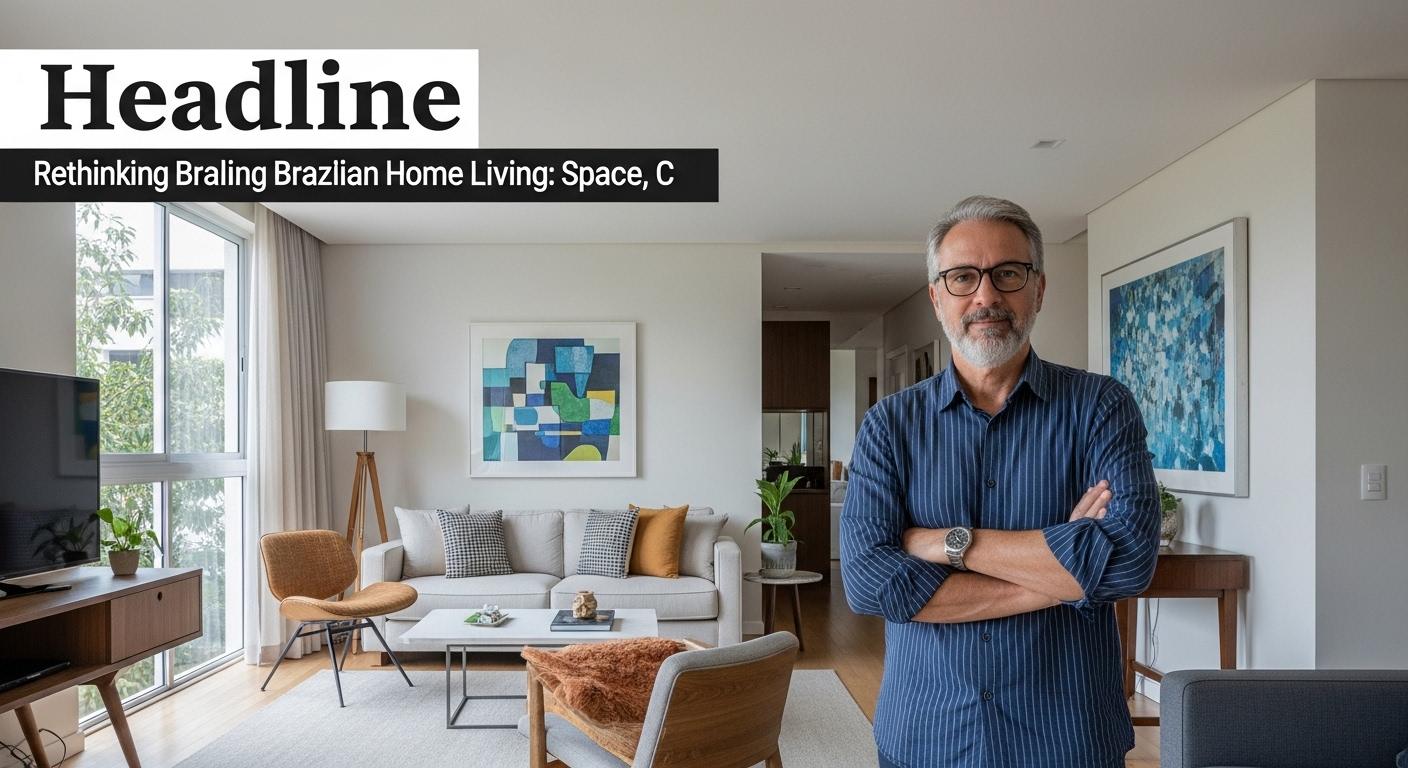
Brazilian living room designed for health, comfort, and flexible workspaces.
Updated: April 9, 2026
Across Brazil, households are recalibrating what it means to live well at home, and the phrase feels Home Living Brazil is becoming a shorthand for a design-minded, health-conscious approach to domestic life. From crowded apartments in São Paulo to sunlit houses along the coast, families are teaching their interiors to serve more functions: a kitchen can host a remote workspace; a balcony becomes a small garden; a living room doubles as a learning corner for children and a meditation nook for adults. This shift—rooted in climate, economy, and culture—offers a window into how home spaces adapt to changing needs without sacrificing the social rituals Brazilians value. In Live Well Brazil, we examine how these changes take shape in everyday routines and what they reveal about longer-term trends in Brazilian home living.
Context: A Home Living Renaissance in Brazil
Brazilian homes are increasingly built to accommodate multiple functions within a single footprint. Urban life—often characterized by dense housing and shared amenities—encourages interiors that flex with the day: kitchens that double as workstations, dining areas repurposed as study nooks, and bedrooms that serve as quiet zones for rest after long days. The climate also matters: hot, humid seasons push designers toward layouts that maximize cross-ventilation and shade, reducing reliance on artificial cooling. Culturally, the Brazilian emphasis on gathering and hospitality means spaces are frequently arranged to invite family and friends, even when room is at a premium. In this environment, the idea of home as a fixed shrine gives way to home as a dynamic system—one that must adapt to work, study, health, and social life all at once.
As households balance cost pressures with quality-of-life goals, a growing segment of Brazilian consumers seeks materials and configurations that offer durability, ease of maintenance, and low environmental impact. The renaissance in home living is less about a single trend and more about a toolkit: modular furniture that can be reconfigured, storage that hides function within simple lines, and finishes that endure seasonal humidity without showing wear quickly. These choices reflect a broader shift toward resilience—homes that stay adaptable as family needs evolve and as urban economies fluctuate.
From Kitchens to Living Rooms: Redesign for Comfort and Health
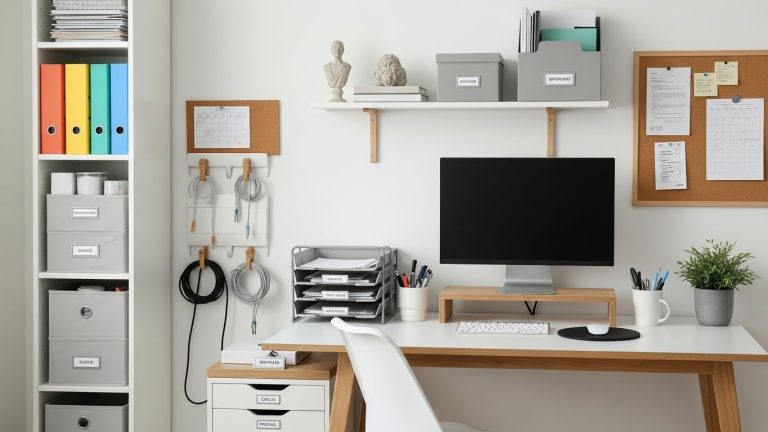
The home is increasingly viewed as a holistic system rather than a collection of separate rooms. Kitchens now host workstations with dedicated zones for laptops, printers, and wireless devices; countertops are chosen for both durability and ease of cleaning; and ventilation is prioritized to manage heat and moisture. Living rooms are evolving into flexible hubs: seating arrangements that can be easily rearranged for gatherings, acoustically treated corners to dampen city noise, and plants placed to improve air quality and mood. Health and comfort drive material selection—breezy fabrics, natural woods, and low-emission paints reduce indoor pollutants while adding warmth and texture. Meanwhile, bathrooms focus on moisture control and smart storage to keep vanity areas tidy, a small but meaningful improvement to daily routines. The net effect is a home that supports productivity during the day and restorative rituals at night, without requiring a costly or wholesale remodel.
The design mindset also translates into practical spending: families seek modular solutions that scale with growth, invest in furniture with built-in storage, and favor locally produced materials that cut transportation emissions and support regional economies. This approach aligns with a broader trend toward sustainability, where even small households weigh carbon footprints when choosing fabrics, finishes, and fixtures. In this frame, a well-planned home becomes a personal wellness program—one that is affordable, repeatable, and renewable as needs change.
Market Signals: How Brazilians Are Paying for Better Homes
Economies fluctuate, but the impulse to improve living spaces persists. Brazilians are increasingly using a mix of savings, credit, and regional supply networks to fund home improvements that improve comfort and health. The rise of online marketplaces and local workshops makes it easier to source modular components and sustainable materials without a full-scale renovation. In urban centers, demand for small-footprint, multi-use furniture is common as households adapt to apartment living where square footage drives clever design. Financing options—from consumer credit to micro-loans aimed at home improvement—help households spread costs while maintaining daily life. The result is a gradual reallocation of household budgets toward durable goods that offer long-term utility, rather than short-lived, high-cost upgrades. The causal link is clear: as remote work and flexible routines persist, households invest more in interiors that support focus, recovery, and social connection within the home—the core of feels Home Living Brazil in practice.
Actionable Takeaways
- Start with a space plan: map how each room is used across the day and designate at least three zones (work, relaxation, storage) to reduce friction between activities.
- Prioritize ventilation and lighting: maximize cross-ventilation with strategically placed windows and use natural light to improve mood and energy efficiency.
- Choose modular, durable furniture: opt for pieces that can be reconfigured as needs change, and prioritize clean lines that hide clutter.
- Invest in smart storage: use vertical storage, under-seat drawers, and multi-functional consoles to expand usable space without expanding footprint.
- Incorporate plants and natural textures: greenery improves air quality and adds warmth, contributing to a calmer daily rhythm.
- Plan for maintenance and air quality: low-emission paints, moisture-control finishes, and easy-to-clean surfaces help sustain a healthier home environment.