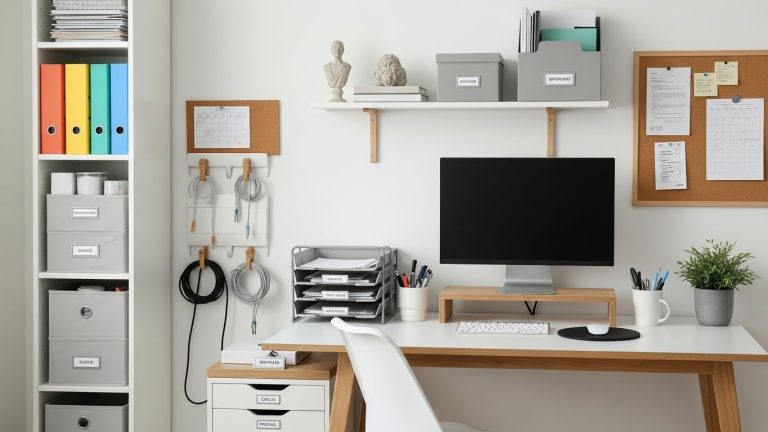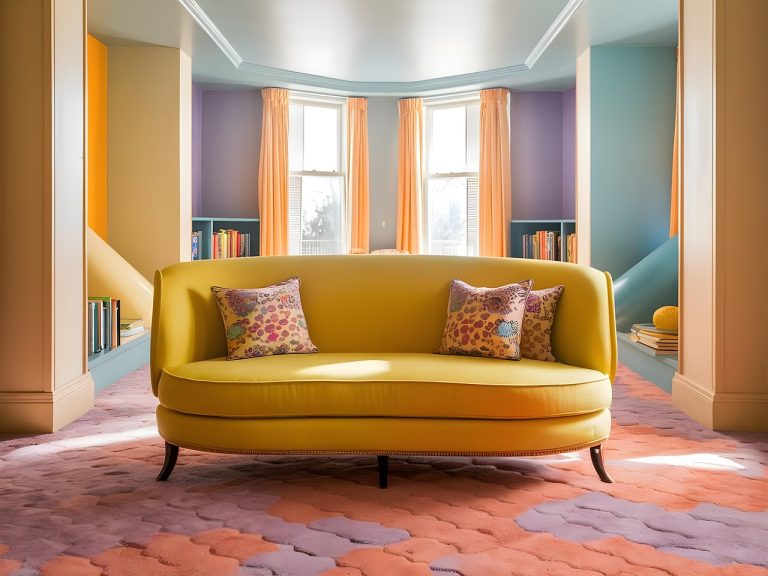
Flooded Brazilian living space with elevated storage and protective design features.
Updated: April 9, 2026
During the current era of urban intensification in Brazil, visiting Home Living Brazil reveals how households improvise around high rents, limited new supply, and climate uncertainty. This analysis considers the interplay between real estate markets, household economics, and the design of living spaces that optimize comfort, safety, and energy efficiency. Rather than fixating on glossy showrooms, the focus is on practical choices families make every day to stretch budgets, protect belongings, and cultivate a sense of home within compact urban footprints.
Housing markets and daily life under pressure
Across Brazil’s largest metropolitan areas, the traditional dream of a spacious home is increasingly replaced by smaller, more versatile living spaces. City centers push rents upward while new supply lags behind demand, pushing households toward multi-use rooms, vertical storage, and flexible furniture that can be reconfigured for work, study, and family life. This dynamic also means households weigh mortgage terms, rent contracts, and maintenance costs in daily budgeting, shaping decisions about where to live, what to buy, and how long to stay in a given unit.
Recent reporting on Brazil’s urban growth highlights a paradox: a handful of prominent towers symbolize prosperity in the heart of megacities, while many buyers face affordability constraints elsewhere. For residents, this translates into a practical calculus about where to invest, how to upgrade a rented space, and which features deliver long-running value—durable flooring, reliable wiring, good insulation, and energy-efficient appliances that reduce monthly bills over years rather than months.
In this context, home living becomes about prioritizing utility over extravagance. Households increasingly value modular furniture, hidden storage, and compact, well-powered kitchens that can handle daily cooking and occasional entertaining without expanding the footprint. Landlords, too, respond by offering smarter layouts that maximize usable area, even in smaller units, reinforcing a market tilt toward efficiency and flexibility rather than lavish square footage.
Climate, floods, and the design of living spaces
Brazilian weather patterns increasingly influence how homes are designed and used. Heavy rainfall, local flood risks, and humidity prompt a rising interest in resilient construction, drainage planning, and water management at the dwelling level. Minas Gerais and other regions have faced notable flood events in recent years, underscoring the need for elevated foundations, improved sealing, and robust outdoor spaces that can handle sudden downpours without compromising indoor comfort.
Newer developments increasingly incorporate flood-aware features: elevated slabs, permeable paving around the property, and rainwater harvesting systems that reduce demand on municipal supplies. Such measures can lower maintenance costs and boost long-term resilience, while also contributing to energy efficiency through better thermal performance and reduced humidity. Older homes are catching up too, as homeowners retrofit with raised platforms, improved drainage, and weather-stripping to limit water intrusion and heat gain.
Viewed together, these changes reflect a broader shift: climate resilience is becoming a core attribute of value in Brazilian homes, not a niche afterthought. When households invest in durable materials and adaptable layouts, they simultaneously improve daily comfort and protection against climate-related disruptions, turning risk into a measurable return on investment.
Designing for community and everyday routines
Brazilian urban life blends indoor space with outdoor and communal areas. Balconies, courtyards, and shared spaces are not merely aesthetic choices; they extend the usable living area and foster social ties that underpin daily routines. This culture of social space encourages residents to repurpose areas for gardening, relaxed dining, or study nooks, turning limited square footage into a multi-functional ecosystem.
With budget constraints in play, design choices emphasize flexibility. Kitchens connect to living areas, stair landings double as storage nooks, and walls are leveraged for shelving and display rather than exclusively for separation. Such arrangements reflect a practical philosophy: maximize light, airflow, and usability without paying a premium for additional space. The result is a housing environment that feels larger than its footprint and more attuned to the rhythms of family life, work-from-home needs, and everyday hospitality.
Culture and economy intersect here. A neighborhood’s character—its markets, schools, and informal networks—helps determine where a family wants to invest time and money. In turn, home layouts evolve to support these routines, whether it’s a compact kitchen designed for quick meals before school signaling a preference for energy-efficient appliances, or a balcony garden that provides fresh produce with minimal water use.
Policy, planning, and the way forward
Policy and planning play a pivotal role in shaping affordable, resilient home environments. When cities streamline permits for modular or compact housing, and when zoning rules support multi-functional designs, households gain access to better options without sacrificing safety or climate resilience. Public investments in drainage, flood barriers, and green infrastructure reduce neighborhood risk while improving urban livability across income groups.
Beyond infrastructure, financial mechanisms—such as subsidies for energy-efficient renovations and accessible credit for durable improvements—can bridge the gap between aspirational living standards and everyday affordability. For many Brazilian families, practical improvements in insulation, sealing, and efficient appliances deliver immediate dividends in monthly expenses and long-term comfort, making climate-resilient design a shared public and private goal.
Actionable Takeaways
- Assess local flood and drainage risk for your home and plan simple elevation or storage solutions accordingly.
- Prioritize durable, energy-efficient materials and appliances to reduce monthly utility costs.
- Use modular, multi-functional furniture to maximize flexibility in small spaces.
- Implement rainwater harvesting and water-saving fixtures to lower dependence on municipal supplies.
- Engage with neighbors to create shared storage, tool libraries, and community resilience networks that spread risk and resources.