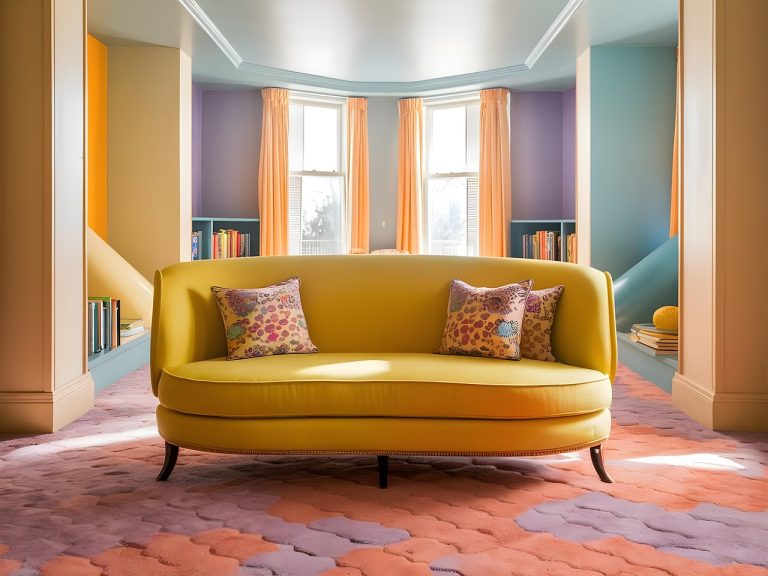
Cozy winter-ready Brazilian living room.
Updated: April 9, 2026
As winter settles unevenly across Brazil, households confront a widening gap between comfort and cost. In the realm of winter Home Living Brazil, residents—designers and homeowners alike—are rethinking space, materials, and routines to keep warmth practical rather than extravagant.
Context: Winter Realities Across Brazil
Brazil’s climate ranges from tropical to temperate, with the most pronounced cold arriving in the southern states. Cities such as Porto Alegre or Curitiba see cool to cold nights that linger longer than in the north, while urban areas like São Paulo experience brisk evenings that invite different living rituals. This regional mosaic matters for how people heat, insulate, and organize their homes, shaping what counts as comfort in winter.
Because heating demand is not uniform, many Brazilian households rely on a mix of natural warmth, clothing layers, and small, energy-efficient devices. The absence of a national tradition of central heating in most homes means adaptations emphasize efficiency, moisture control, and furniture layouts that maximize warmth from available sources.
Design and Comfort: Insulation, Heating, and Layout
Home design in Brazil often prioritizes ventilation and shade, particularly in tropical zones. In winter, this means doors and windows that seal well and fabrics that trap heat come to the fore. Practical upgrades include weather stripping on doors, thicker curtains for bedrooms, and area rugs that reduce heat loss through floors. For heating, households typically turn to portable electric heaters, gas stoves for cooking and supplementary warmth, and, in newer builds, heat pumps or solar-assisted systems. The key is to balance safety, cost, and comfort while avoiding overreliance on high-energy devices.
Layout choices matter too. An open plan can lose heat quickly on cool nights, so many families rearrange seating to create micro-areas where people gather around heat sources. South-facing windows, when well-insulated, can supply passive warmth during sunny winter days. In compact apartments, compact furniture is chosen to maximize floor area for movement and heat circulation.
Seasonal Wellness and Home Systems
Winter living blends comfort with health awareness. Humidity management becomes essential as cooled air can dry out spaces and trigger respiratory discomfort, while damp or mold-prone corners require controlled ventilation and timely drying. Simple habits—drying clothes indoors with a vented line, using moisture-absorbing products, ensuring bathrooms are well ventilated—support a healthier indoor environment. Lighting also matters; layered lighting and warmer tones can improve mood and create a perceived sense of warmth without mounting energy use.
Economic and Environmental Considerations in Winter Home Living Brazil
Electricity tariffs in Brazil can fluctuate and place a meaningful strain on households that lean on space heating. Even modest winter comfort investments should weigh long-term efficiency against upfront cost. The broader environmental calculus favors insulation, efficient appliances, and the use of natural daylight whenever possible. In many regions, households already employ solar water heaters or heat pumps that operate more efficiently than old electric heaters, aligning winter living with energy stewardship and smaller carbon footprints.
Actionable Takeaways
- Seal gaps and insulate: weather-stripping, door sweeps, and thermal curtains reduce heat loss and lower bills.
- Lean on energy-efficient heat sources: favor heat pumps and well-insulated stoves; limit high-usage electric space heaters.
- Optimize layout for warmth: arrange seating around heat sources and maximize natural light through south-facing windows where feasible.
- Manage humidity and moisture: ventilate bathrooms, dry clothes outdoors when possible, and use dehumidifiers in damp spaces.
- Plan seasonally: use daylight hours for cooking and heating tasks; invest in durable textiles and rugs that add warmth.
Source Context
From an editorial perspective, separate confirmed facts from early speculation and revisit assumptions as new verified information appears.
Track official statements, compare independent outlets, and focus on what is confirmed versus what remains under investigation.
For practical decisions, evaluate near-term risk, likely scenarios, and timing before reacting to fast-moving headlines.
Use source quality checks: publication reputation, named attribution, publication time, and consistency across multiple reports.
Cross-check key numbers, proper names, and dates before drawing conclusions; early reporting can shift as agencies, teams, or companies release fuller context.